The Republic of Costa Rica
1898
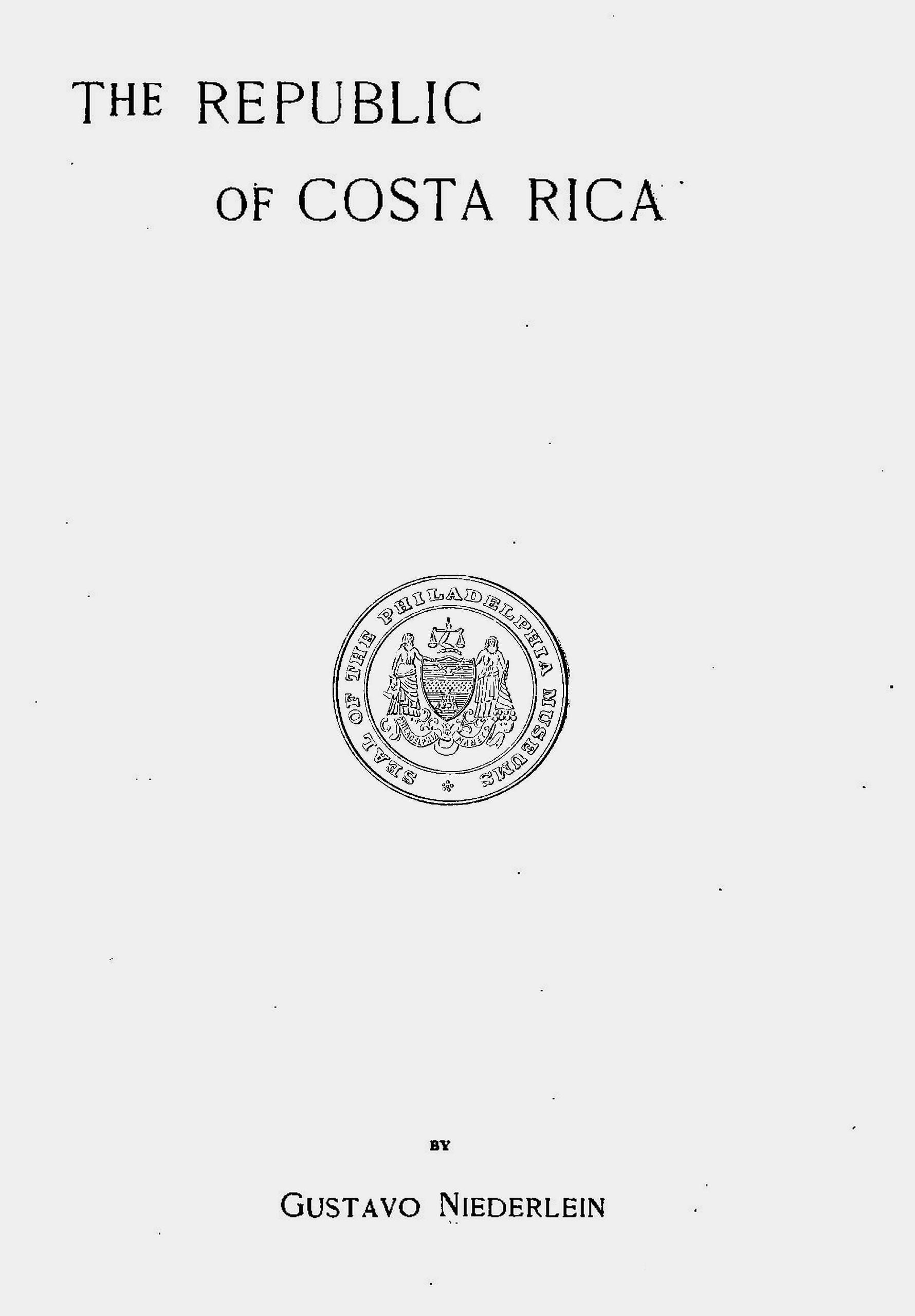
The Republic of Costa Rica
1898
In 1898, an Argentinian explorer working for Philadelphia's Commercial Museum set out to catalog everything that made Costa Rica economically valuable. The result is this extraordinary snapshot - a nation rendered in meticulous scientific prose, where volcanoes become natural features of immense commercial significance and indigenous communities become data points in a broader study of productive capacity. Niederlein catalogs the country's geography with imperial confidence: volcanic ranges, dual coastlines, river systems, soil compositions - while documenting a society perched at the threshold of modernity. This is not travel writing or adventure narrative. It is the 19th century's earnest conviction that every mountain, river, and crop could be measured, quantified, and ultimately transformed into trade. For readers fascinated by how Victorians perceived Central America, or how Costa Rica once presented itself to foreign investors and developers, this obscure document offers a remarkably clear window into the economics and assumptions of an era that believed nature existed to be governed.
Editions
Link to this book
Add a free, dofollow link to Lex on your blog, forum, syllabus, or reading list.

<a href="https://lex-books.com/book/the-republic-of-costa-rica-08ca4c55-4bd8-4535-bcd1-02db7db2d0e4"><img src="https://lex-books.com/badges/read-on-lex.svg" alt="Read The Republic of Costa Rica by Gustavo Niederlein free on Lex" width="160" height="40"></a>[](https://lex-books.com/book/the-republic-of-costa-rica-08ca4c55-4bd8-4535-bcd1-02db7db2d0e4)[url=https://lex-books.com/book/the-republic-of-costa-rica-08ca4c55-4bd8-4535-bcd1-02db7db2d0e4][img]https://lex-books.com/badges/read-on-lex.svg[/img][/url]Read The Republic of Costa Rica by Gustavo Niederlein free on Lex: https://lex-books.com/book/the-republic-of-costa-rica-08ca4c55-4bd8-4535-bcd1-02db7db2d0e4Cite this book
Reading this edition for a paper or guide? Copy a citation.
Niederlein, Gustavo. The Republic of Costa Rica. Lex, lex-books.com/book/the-republic-of-costa-rica-08ca4c55-4bd8-4535-bcd1-02db7db2d0e4.Niederlein, G. (1898). The Republic of Costa Rica. Lex. https://lex-books.com/book/the-republic-of-costa-rica-08ca4c55-4bd8-4535-bcd1-02db7db2d0e4Niederlein, Gustavo. The Republic of Costa Rica. Lex. https://lex-books.com/book/the-republic-of-costa-rica-08ca4c55-4bd8-4535-bcd1-02db7db2d0e4.