The Purple Cow!
1895
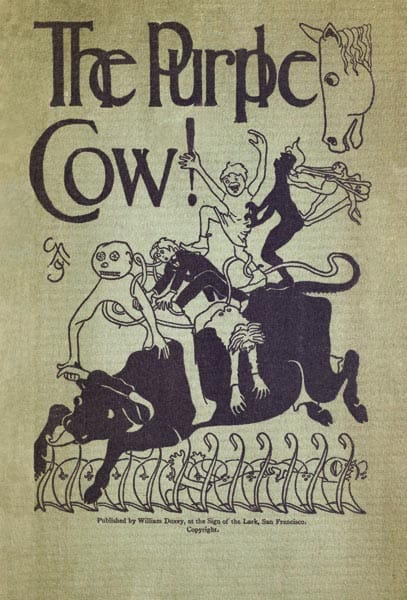
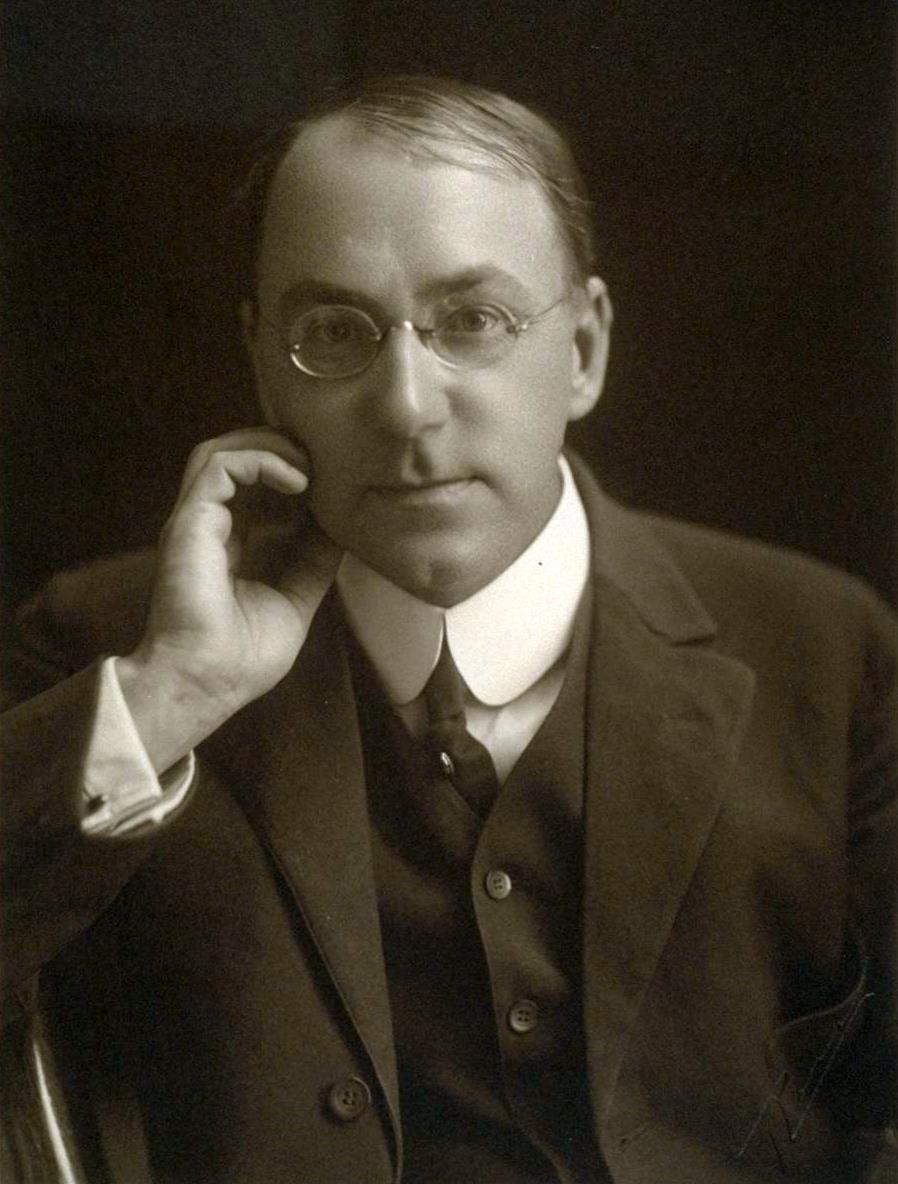
This is the poem that defined American nonsense verse and became the most quoted poem in twentieth-century America, after "The Night Before Christmas." Gelett Burgess wrote it for the first issue of his avant-garde magazine The Lark in 1895, and it spread like wildfire through oral tradition, anthologies, and cultural memory. The poem is just four lines long, but those four lines contain a complete philosophy of wonder in the face of the absurd: the narrator has never seen a purple cow, hopes never to see one, but would rather witness such a creature than become one themselves. It's a declaration of preferring joy to transformation, observation over participation, the sublime ridiculous over the mundane. The poem works because it captures something essential about childhood imagination and the pleasure of embracing the impossible. It has been quoted on everything from restaurant menus to presidential speeches, yet somehow its tiny absurd heart remains intact.
Editions

Link to this book
Add a free, dofollow link to Lex on your blog, forum, syllabus, or reading list.

<a href="https://lex-books.com/book/the-purple-cow-6da8be1d-cfd7-48e0-b5a9-930542ee7e27"><img src="https://lex-books.com/badges/read-on-lex.svg" alt="Read The Purple Cow! by Gelett Burgess free on Lex" width="160" height="40"></a>[](https://lex-books.com/book/the-purple-cow-6da8be1d-cfd7-48e0-b5a9-930542ee7e27)[url=https://lex-books.com/book/the-purple-cow-6da8be1d-cfd7-48e0-b5a9-930542ee7e27][img]https://lex-books.com/badges/read-on-lex.svg[/img][/url]Read The Purple Cow! by Gelett Burgess free on Lex: https://lex-books.com/book/the-purple-cow-6da8be1d-cfd7-48e0-b5a9-930542ee7e27Cite this book
Reading this edition for a paper or guide? Copy a citation.
Burgess, Gelett. The Purple Cow!. Lex, lex-books.com/book/the-purple-cow-6da8be1d-cfd7-48e0-b5a9-930542ee7e27.Burgess, G. (1895). The Purple Cow!. Lex. https://lex-books.com/book/the-purple-cow-6da8be1d-cfd7-48e0-b5a9-930542ee7e27Burgess, Gelett. The Purple Cow!. Lex. https://lex-books.com/book/the-purple-cow-6da8be1d-cfd7-48e0-b5a9-930542ee7e27.