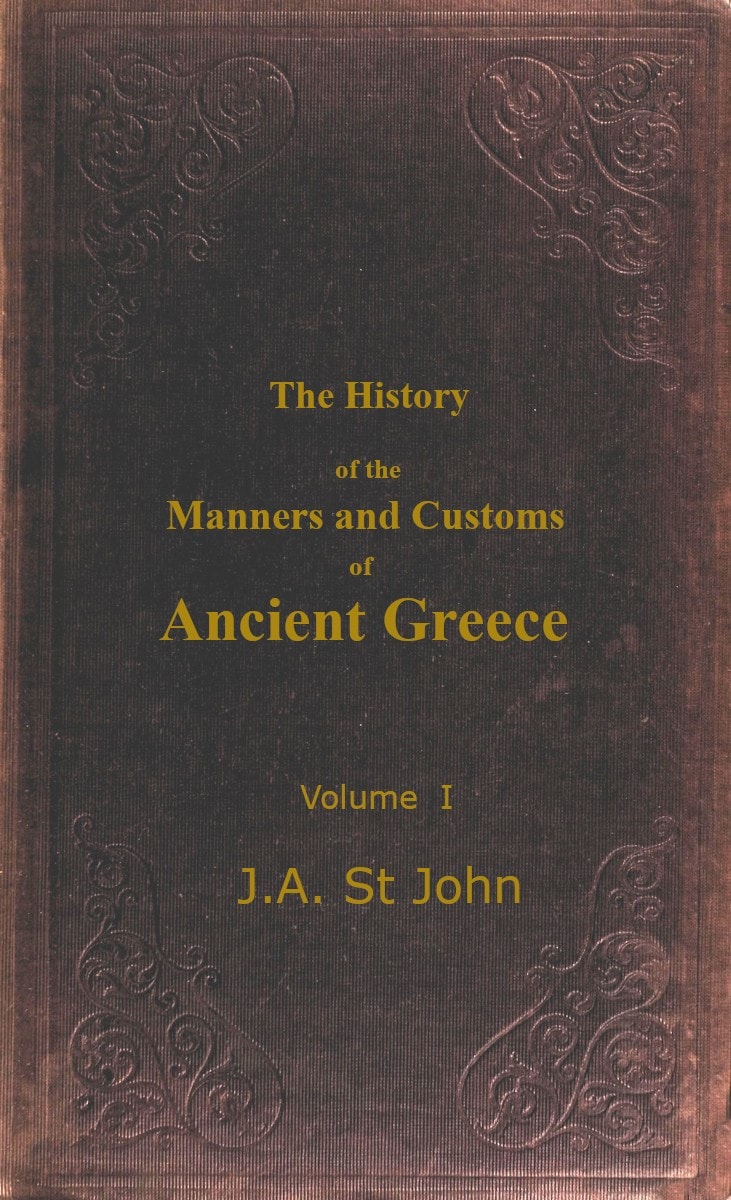
The History of the Manners and Customs of Ancient Greece, Volume 1 (of 3)
1842
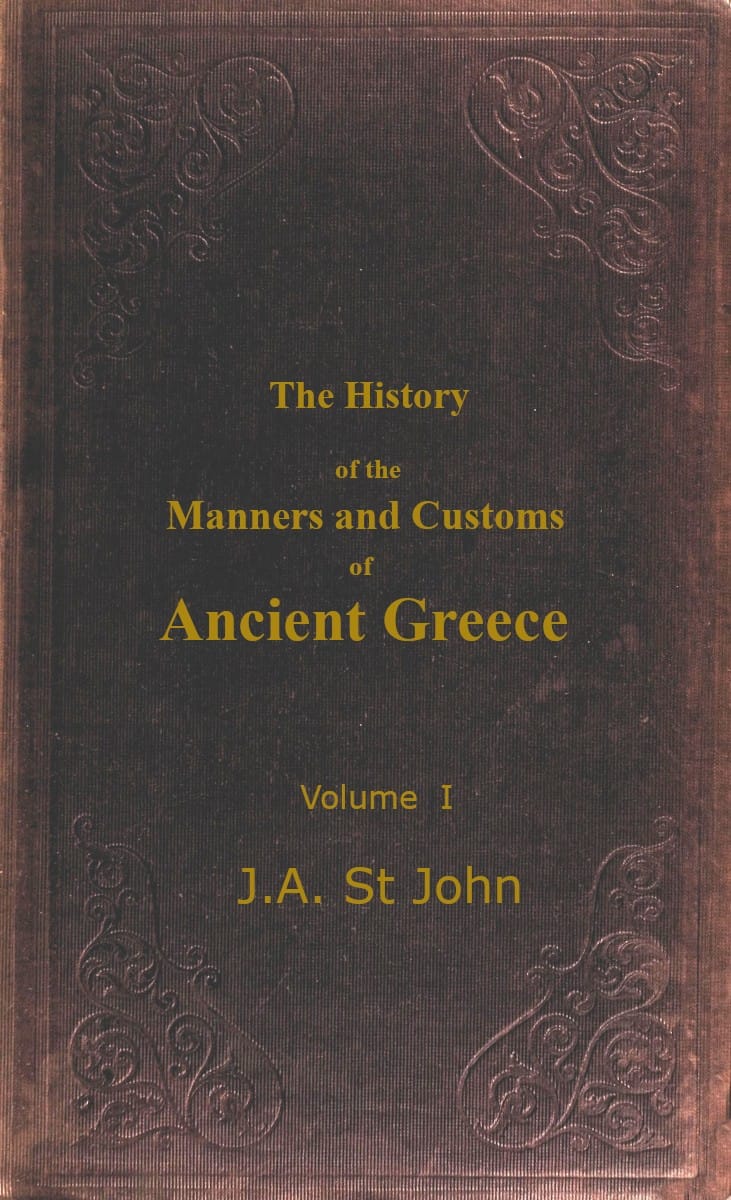
The History of the Manners and Customs of Ancient Greece, Volume 1 (of 3)
1842
St. John ventures to the very origins of Greek civilization, tracing the mysterious Pelasgians who inhabited Hellas before the Hellenes arrived. This 1842 volume reads as both scholarly inquiry and Victorian imagination running wild across the ancient world. The author argues that climate and geography literally molded Greek character, a theory that reveals as much about 19th-century European self-understanding as it does about antiquity. Yet beyond the period's assumptions lies genuine fascination: St. John reconstructs domestic life, educational practices, religious ritual, and the social structures that emerged from these ancient peoples. He maps their migrations across the Aegean, piecing together fragments of legend and early historical records to tell a story of displacement, settlement, and the slow birth of the civilization that would shape the Western world. For readers interested in how Victorians imagined their classical ancestors, or in the long history of Western civilization's obsession with its own origins, this volume offers a transporting time capsule of intellectual ambition.
Editions
X-Ray
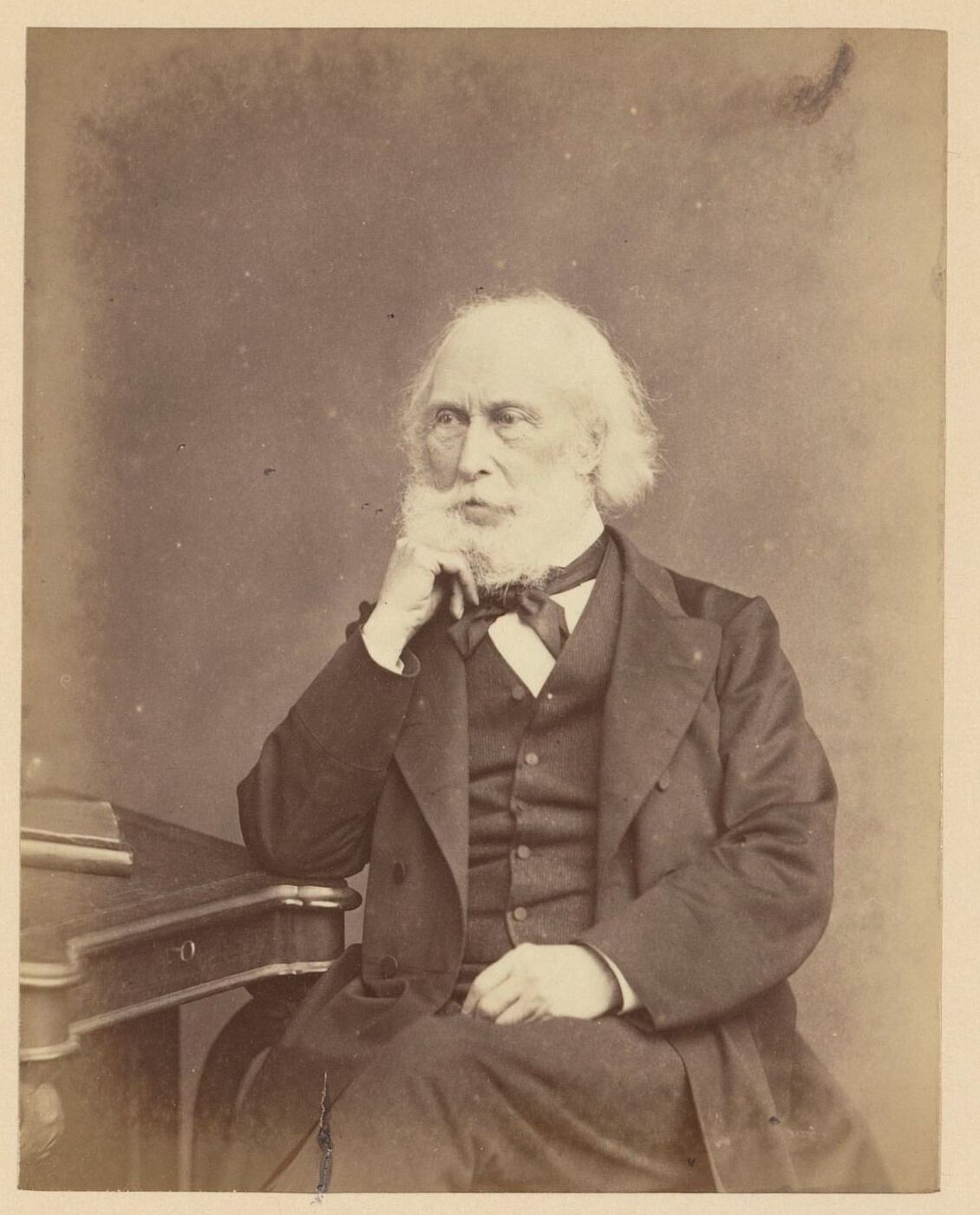
The author and scholar who undertook this comprehensive study of ancient Greek manners and customs. He demonstrates deep learning and personal experience traveling through Greece and related regions.
The author's son, to whom the work is dedicated. He assisted his father in completing the research despite the author's failing eyesight.
The ancient people identified as the original inhabitants of Greece before the Hellenes. They are portrayed as the foundational civilization from which Greek culture emerged.
The ancient Greek people whose manners and customs form the central subject of the work. Described as intellectually and physically superior, with complex social and educational systems.
About The History of the Manners and Customs of Ancient Greece, Volume 1 (of 3)
Chapter Summaries
- Dedication
- St. John dedicates the work to his son, acknowledging his assistance and reflecting on his own failing eyesight that may prevent him from seeing the beautiful forms he has studied. He expresses gratitude for his son's patient help in completing the research.
- Introduction
- The author outlines his methodology and goals, arguing that understanding a people requires examining their complete existence including customs, manners, and domestic life. He positions Athens as the intellectual center of the ancient world.
- Book I, Chapter 1
- St. John argues that the Pelasgi were the original inhabitants of Greece, tracing their migration from Central Asia through various routes. He provides extensive evidence for Pelasgian settlements throughout Greece and the Mediterranean.
Key Themes
- Cultural Origins and Migration
- St. John traces the Pelasgian origins of Greek civilization, arguing for a unified source of Hellenic culture. This reflects 19th-century interests in racial and cultural origins.
- Education as National Character Formation
- The work emphasizes how educational systems shape entire civilizations, comparing Spartan rigidity with Athenian flexibility and innovation.
- The Relationship Between Geography and Character
- St. John argues that climate, soil, and geographical position fundamentally influenced Greek intellectual and physical development, reflecting environmental determinism.
Characters
- James Augustus St. John(protagonist)
- The author and scholar who undertook this comprehensive study of ancient Greek manners and customs. He demonstrates deep learning and personal experience traveling through Greece and related regions.
- Bayle St. John(minor)
- The author's son, to whom the work is dedicated. He assisted his father in completing the research despite the author's failing eyesight.
- The Pelasgi(major)
- The ancient people identified as the original inhabitants of Greece before the Hellenes. They are portrayed as the foundational civilization from which Greek culture emerged.
- The Hellenes/Greeks(major)
- The ancient Greek people whose manners and customs form the central subject of the work. Described as intellectually and physically superior, with complex social and educational systems.
- Lycurgus(major)
- The legendary Spartan lawgiver whose educational and social reforms created the distinctive Spartan system. Portrayed as creating an inflexible but effective system.
- Plato(major)
- The Athenian philosopher frequently cited for his views on education, government, and social organization. Presented as both wise and sometimes misguided.
Link to this book
Add a free, dofollow link to Lex on your blog, forum, syllabus, or reading list.

<a href="https://lex-books.com/book/the-history-of-the-manners-and-customs-of-ancient-greece-volume-1-of-3-dbed6800-c949-4af9-b16e-b10febedc832"><img src="https://lex-books.com/badges/read-on-lex.svg" alt="Read The History of the Manners and Customs of Ancient Greece, Volume 1 (of 3) by James Augustus St. John free on Lex" width="160" height="40"></a>[](https://lex-books.com/book/the-history-of-the-manners-and-customs-of-ancient-greece-volume-1-of-3-dbed6800-c949-4af9-b16e-b10febedc832)[url=https://lex-books.com/book/the-history-of-the-manners-and-customs-of-ancient-greece-volume-1-of-3-dbed6800-c949-4af9-b16e-b10febedc832][img]https://lex-books.com/badges/read-on-lex.svg[/img][/url]Read The History of the Manners and Customs of Ancient Greece, Volume 1 (of 3) by James Augustus St. John free on Lex: https://lex-books.com/book/the-history-of-the-manners-and-customs-of-ancient-greece-volume-1-of-3-dbed6800-c949-4af9-b16e-b10febedc832Cite this book
Reading this edition for a paper or guide? Copy a citation.
John, James Augustus St.. The History of the Manners and Customs of Ancient Greece, Volume 1 (of 3). Lex, lex-books.com/book/the-history-of-the-manners-and-customs-of-ancient-greece-volume-1-of-3-dbed6800-c949-4af9-b16e-b10febedc832.John, J. A. S. (1842). The History of the Manners and Customs of Ancient Greece, Volume 1 (of 3). Lex. https://lex-books.com/book/the-history-of-the-manners-and-customs-of-ancient-greece-volume-1-of-3-dbed6800-c949-4af9-b16e-b10febedc832John, James Augustus St.. The History of the Manners and Customs of Ancient Greece, Volume 1 (of 3). Lex. https://lex-books.com/book/the-history-of-the-manners-and-customs-of-ancient-greece-volume-1-of-3-dbed6800-c949-4af9-b16e-b10febedc832.