The History of the British Post Office
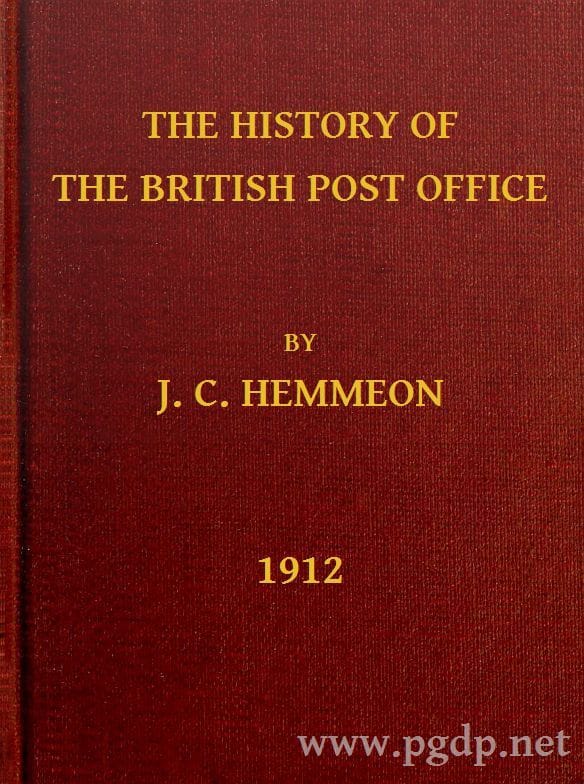
The History of the British Post Office
Before the telephone, before the internet, the British Post Office was the nervous system of an empire. This 1912 scholarly work traces the remarkable transformation from a scattered network of royal messengers carrying state letters into one of the world's first public utilities a system that connected every corner of Britain and facilitated global commerce. Joseph Clarence Hemmeon excavates the personalities who shaped this institution: Sir Brian Tuke's early organizational efforts, the bitter rivalries between officials like Stanhope and de Quester over foreign postal monopolies, and Henry Witherings' 1635 rate reforms that established systematic pricing for the first time. The book reveals how something as mundane as postage pricing became a battleground for power, profit, and the very meaning of public service. Through tariff tables and parliamentary testimony, Hemmeon shows how the post evolved from a royal convenience into a democratic necessity, laying groundwork that would influence communication systems worldwide. For historians of administration, lovers of institutional depth, or anyone curious about the infrastructure that made modern society possible.
Editions
Link to this book
Add a free, dofollow link to Lex on your blog, forum, syllabus, or reading list.

<a href="https://lex-books.com/book/the-history-of-the-british-post-office-be1bd6d8-dd07-4806-8aec-022586e6cac7"><img src="https://lex-books.com/badges/read-on-lex.svg" alt="Read The History of the British Post Office by Joseph Clarence Hemmeon free on Lex" width="160" height="40"></a>[](https://lex-books.com/book/the-history-of-the-british-post-office-be1bd6d8-dd07-4806-8aec-022586e6cac7)[url=https://lex-books.com/book/the-history-of-the-british-post-office-be1bd6d8-dd07-4806-8aec-022586e6cac7][img]https://lex-books.com/badges/read-on-lex.svg[/img][/url]Read The History of the British Post Office by Joseph Clarence Hemmeon free on Lex: https://lex-books.com/book/the-history-of-the-british-post-office-be1bd6d8-dd07-4806-8aec-022586e6cac7Cite this book
Reading this edition for a paper or guide? Copy a citation.
Hemmeon, Joseph Clarence. The History of the British Post Office. Lex, lex-books.com/book/the-history-of-the-british-post-office-be1bd6d8-dd07-4806-8aec-022586e6cac7.Hemmeon, J. C. (n.d.). The History of the British Post Office. Lex. https://lex-books.com/book/the-history-of-the-british-post-office-be1bd6d8-dd07-4806-8aec-022586e6cac7Hemmeon, Joseph Clarence. The History of the British Post Office. Lex. https://lex-books.com/book/the-history-of-the-british-post-office-be1bd6d8-dd07-4806-8aec-022586e6cac7.