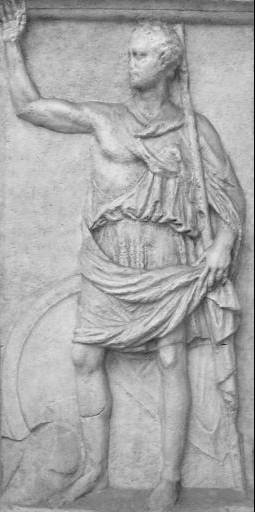
The Histories of Polybius, Vol. 2 (of 2)

The Histories of Polybius, Vol. 2 (of 2)
Translated by Evelyn S. (Evelyn Shirley) Shuckburgh
Volume Two of Polybius's monumental History plunges into the most dramatic phase of the Second Punic War, when Rome faced annihilation at Hannibal's hands. The narrative follows Publius Scipio's rise from young officer to the general who would finally break Carthaginian power, tracing his campaigns in Iberia and the climactic struggle for Africa. Polybius writes not merely as a chronicler but as an analyst of causation, examining why certain strategies succeeded while others failed, how alliances shifted, and what qualities distinguished great leadership from mere competence. His account of the Roman military machine, its discipline and adaptability, remains the definitive ancient source on how a republic wages total war. What distinguishes Polybius from earlier historians is his systematic inquiry into political institutions. Book Six, preserved through Byzantine excerpts, offers a celebrated analysis of the Roman constitution as a mixed system balancing monarchical, aristocratic, and democratic elements. This framework didn't merely describe Rome; it offered a template that Montesquieu studied, that Machiavelli dissected, and that the framers of the American republic consulted when constructing their own constitutional architecture. Reading Polybius is to encounter the intellectual origins of modern republican government, rendered in prose of striking clarity and pragmatic wisdom.
Editions
X-Ray
“There are two roads to reformation for mankind”
— Polybius
“A striking illustration of the fact that true policy does not regard only the immediate necessities of the hour, but must ever look still more keenly to the future.””
— Polybius
“35. This event conveys many useful lessons to a thoughtful observer. Above all, the disaster of Regulus gives the clearest possible warning that no one should feel too confident of the favours of Fortune, especially in the hour of success.””
— Polybius
Link to this book
Add a free, dofollow link to Lex on your blog, forum, syllabus, or reading list.

<a href="https://lex-books.com/book/the-histories-of-polybius-vol-2-of-2-60ced90f-57fa-4b10-80bc-2c0e6e326d96"><img src="https://lex-books.com/badges/read-on-lex.svg" alt="Read The Histories of Polybius, Vol. 2 (of 2) by Polybius free on Lex" width="160" height="40"></a>[](https://lex-books.com/book/the-histories-of-polybius-vol-2-of-2-60ced90f-57fa-4b10-80bc-2c0e6e326d96)[url=https://lex-books.com/book/the-histories-of-polybius-vol-2-of-2-60ced90f-57fa-4b10-80bc-2c0e6e326d96][img]https://lex-books.com/badges/read-on-lex.svg[/img][/url]Read The Histories of Polybius, Vol. 2 (of 2) by Polybius free on Lex: https://lex-books.com/book/the-histories-of-polybius-vol-2-of-2-60ced90f-57fa-4b10-80bc-2c0e6e326d96Cite this book
Reading this edition for a paper or guide? Copy a citation.
Polybius. The Histories of Polybius, Vol. 2 (of 2). Lex, lex-books.com/book/the-histories-of-polybius-vol-2-of-2-60ced90f-57fa-4b10-80bc-2c0e6e326d96.Polybius (n.d.). The Histories of Polybius, Vol. 2 (of 2). Lex. https://lex-books.com/book/the-histories-of-polybius-vol-2-of-2-60ced90f-57fa-4b10-80bc-2c0e6e326d96Polybius. The Histories of Polybius, Vol. 2 (of 2). Lex. https://lex-books.com/book/the-histories-of-polybius-vol-2-of-2-60ced90f-57fa-4b10-80bc-2c0e6e326d96.