The Great War as I Saw It
The Great War as I Saw It
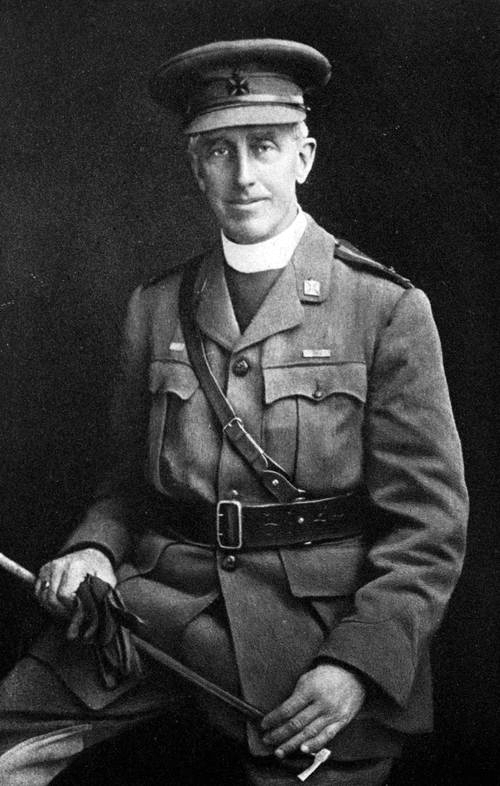
Frederick George Scott was not supposed to survive the Great War. As the first Canadian chaplain to walk the front lines, he entered the killing fields of Ypres, the Somme, and Passchendaele with a Bible in one hand and the dead in his arms. This memoir traces his journey from the fields of Quebec, where he volunteered with the urgent conviction of a man who believed God had called him there, through the training camps at Valcartier, across the Atlantic, and into the mud and blood of the Western Front. Scott writes not with the detachment of a historian but with the raw anguish of a priest who buried boys he had baptized, who questioned his faith in the same trenches where faith seemed absurd, and who found something like grace in the unbearable. This is not a triumphalist war memoir. It is a man's desperate attempt to make sense of industrialized slaughter, to hold onto his sanity and his God while watching the world tear itself apart. It endures because it captures something many war histories miss: the interior life of a man who chose to be present at humanity's worst and somehow emerged with his soul intact, if permanently scarred.
Editions
Link to this book
Add a free, dofollow link to Lex on your blog, forum, syllabus, or reading list.

<a href="https://lex-books.com/book/the-great-war-as-i-saw-it-967fc822-5515-452b-96b9-8b6093c8742c"><img src="https://lex-books.com/badges/read-on-lex.svg" alt="Read The Great War as I Saw It by Frederick George Scott free on Lex" width="160" height="40"></a>[](https://lex-books.com/book/the-great-war-as-i-saw-it-967fc822-5515-452b-96b9-8b6093c8742c)[url=https://lex-books.com/book/the-great-war-as-i-saw-it-967fc822-5515-452b-96b9-8b6093c8742c][img]https://lex-books.com/badges/read-on-lex.svg[/img][/url]Read The Great War as I Saw It by Frederick George Scott free on Lex: https://lex-books.com/book/the-great-war-as-i-saw-it-967fc822-5515-452b-96b9-8b6093c8742cCite this book
Reading this edition for a paper or guide? Copy a citation.
Scott, Frederick George. The Great War as I Saw It. Lex, lex-books.com/book/the-great-war-as-i-saw-it-967fc822-5515-452b-96b9-8b6093c8742c.Scott, F. G. (n.d.). The Great War as I Saw It. Lex. https://lex-books.com/book/the-great-war-as-i-saw-it-967fc822-5515-452b-96b9-8b6093c8742cScott, Frederick George. The Great War as I Saw It. Lex. https://lex-books.com/book/the-great-war-as-i-saw-it-967fc822-5515-452b-96b9-8b6093c8742c.