The Diary of a French Private: War-Imprisonment, 1914-1915
1916
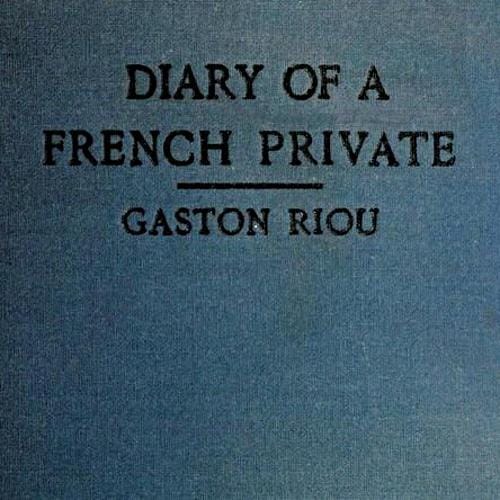
The Diary of a French Private: War-Imprisonment, 1914-1915
1916
Translated by Cedar Paul
This is history bleeding onto the page. Gaston Riou wrote his account in 1916, barely a year after his capture, so the wounds haven't scabbed over. He's not writing memoirs from comfortable distance. He's still in the囚, still feeling the weight of it. The book opens with Riou as a prisoner of war, being transported through German towns where crowds gather to jeer at French captives. The cruelty isn't abstract. It's specific: the faces, the spitting, the shouting. But here's what haunts him most - he'd known these cities before the war. He'd walked their streets as a civilian, as a tourist, as a person. Now those same streets have become hostile territory, and that transformation is the real wound. Riou documents the slow psychological attrition of captivity: the boredom that grinds, the humiliation that accumulates, the way memory becomes both torment and lifeline. This isn't about strategy or grand battles. It's about one consciousness trying to survive the machine. It endures because it was written while the horror was still fresh, before the Great War calcified into mythology. For readers who want to feel what WWI actually felt like to the people inside it, this is indispensable.
Editions

Link to this book
Add a free, dofollow link to Lex on your blog, forum, syllabus, or reading list.

<a href="https://lex-books.com/book/the-diary-of-a-french-private-war-imprisonment-1914-1915-0a7732da-61e0-4d47-b4db-519f3fe55715"><img src="https://lex-books.com/badges/read-on-lex.svg" alt="Read The Diary of a French Private: War-Imprisonment, 1914-1915 by Gaston Riou free on Lex" width="160" height="40"></a>[](https://lex-books.com/book/the-diary-of-a-french-private-war-imprisonment-1914-1915-0a7732da-61e0-4d47-b4db-519f3fe55715)[url=https://lex-books.com/book/the-diary-of-a-french-private-war-imprisonment-1914-1915-0a7732da-61e0-4d47-b4db-519f3fe55715][img]https://lex-books.com/badges/read-on-lex.svg[/img][/url]Read The Diary of a French Private: War-Imprisonment, 1914-1915 by Gaston Riou free on Lex: https://lex-books.com/book/the-diary-of-a-french-private-war-imprisonment-1914-1915-0a7732da-61e0-4d47-b4db-519f3fe55715Cite this book
Reading this edition for a paper or guide? Copy a citation.
Riou, Gaston. The Diary of a French Private: War-Imprisonment, 1914-1915. Lex, lex-books.com/book/the-diary-of-a-french-private-war-imprisonment-1914-1915-0a7732da-61e0-4d47-b4db-519f3fe55715.Riou, G. (1916). The Diary of a French Private: War-Imprisonment, 1914-1915. Lex. https://lex-books.com/book/the-diary-of-a-french-private-war-imprisonment-1914-1915-0a7732da-61e0-4d47-b4db-519f3fe55715Riou, Gaston. The Diary of a French Private: War-Imprisonment, 1914-1915. Lex. https://lex-books.com/book/the-diary-of-a-french-private-war-imprisonment-1914-1915-0a7732da-61e0-4d47-b4db-519f3fe55715.