The Daughter of Heaven
1912

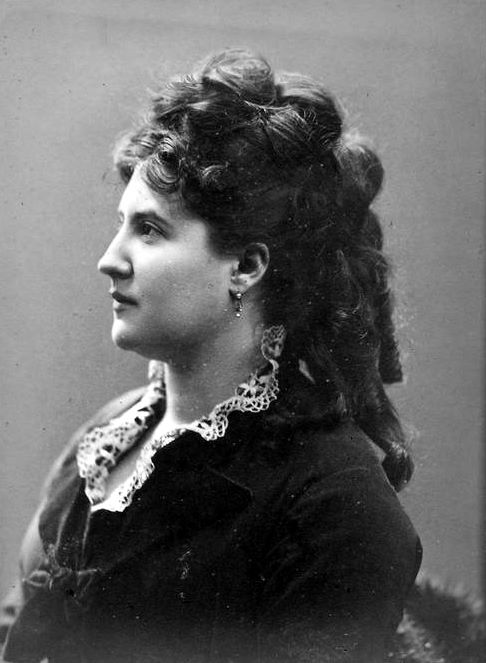
In the garden of the Nanking Palace, workers prepare for a grand festival, but the Empress who should rule over it is a prisoner in her own court. Judith Gautier's 1912 drama imagines the last Ming ruler, the Daughter of Heaven, caught between Tartar conquerors and her people's desperate hope. The play opens with China's national mourning, revolutionary fervor simmering beneath ceremonial obligation, as palace officials and ladies-in-waiting anticipate festivities that mask deadly political calculation. Gautier, writing with the keen eye of early 20th-century French Orientalism, captures a China in transition: a nation under foreign occupation, its people torn between survival and resistance. Through courtly conversation and personal drama, she reveals how love, duty, and power collide when a dynasty has fallen. The Empress must appear compliant while harboring seeds of rebellion. It endures because it dramatizes what it means to lead when your throne exists only in memory, and because its central question remains urgent: what does a woman owe her people when compromise may be the only path to survival? For readers of early modern drama, historical fiction, or anyone drawn to stories of queens behind bars.
Editions

Link to this book
Add a free, dofollow link to Lex on your blog, forum, syllabus, or reading list.

<a href="https://lex-books.com/book/the-daughter-of-heaven-0d190a2c-885d-4f57-9786-556c60a85953"><img src="https://lex-books.com/badges/read-on-lex.svg" alt="Read The Daughter of Heaven by Judith Gautier free on Lex" width="160" height="40"></a>[](https://lex-books.com/book/the-daughter-of-heaven-0d190a2c-885d-4f57-9786-556c60a85953)[url=https://lex-books.com/book/the-daughter-of-heaven-0d190a2c-885d-4f57-9786-556c60a85953][img]https://lex-books.com/badges/read-on-lex.svg[/img][/url]Read The Daughter of Heaven by Judith Gautier free on Lex: https://lex-books.com/book/the-daughter-of-heaven-0d190a2c-885d-4f57-9786-556c60a85953Cite this book
Reading this edition for a paper or guide? Copy a citation.
Gautier, Judith. The Daughter of Heaven. Lex, lex-books.com/book/the-daughter-of-heaven-0d190a2c-885d-4f57-9786-556c60a85953.Gautier, J. (1912). The Daughter of Heaven. Lex. https://lex-books.com/book/the-daughter-of-heaven-0d190a2c-885d-4f57-9786-556c60a85953Gautier, Judith. The Daughter of Heaven. Lex. https://lex-books.com/book/the-daughter-of-heaven-0d190a2c-885d-4f57-9786-556c60a85953.