The Autobiography of Benvenuto Cellini
1728
The Autobiography of Benvenuto Cellini
1728
Translated by John Addington Symonds
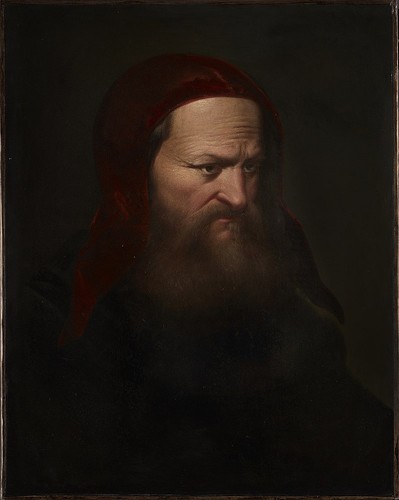
The most magnificent braggart in literature. Benvenuto Cellini was a goldsmith, sculptor, and at least one-time murderer; a man who credited himself with divine gifts, numerous affairs, and more near-death escapes than any ten men combined. His autobiography, written from prison and published after his death, crackles with the same energy as the man himself: vain, violent, and utterly irresistible. We follow Cellini through the backstreets and palaces of Renaissance Florence, Rome, and Paris, where he battles rival artists, defies popes, kills a man (or two), and somehow becomes the toast of royal courts. The prose bristles with invective, dark humor, and an unshakeable conviction that he was born to greatness. What elevates this beyond mere ego trip is its sheer historical vividness: no other memoir captures the texture of Renaissance life with such unfiltered intensity. The food, the sex, the politics, the murders, the art, it’s all here, told by a man who saw himself as the hero of his own epic. And honestly? You start to believe him.
Editions
X-Ray
“Withersoever the wheel of Fortune turns, Virtue stands firm upon her feet.””
— Benvenuto Cellini
“I assert that the art of sculpture, among all the arts connected with design, is at least seven times greater than any other, for the following reason: why, sir, a statue of true sculpture ought to have seven points of view, which ought all to boast equal excellence.””
— Benvenuto Cellini
“God only sends us evil to do us good.””
— Benvenuto Cellini
“My father answered my letter without delay, writing as follows: My dear boy, I love you so much that if it weren’t against my honour, which I cherish more than anything, I would have come for you straight away. Without any exaggeration, not to see you every day as I used to is like losing the light of my eyes. But I shall carry on here leading my family in the paths of righteousness, and you must learn to be a good craftsman. Only, you must never forget these few simple words; let them guide you always: Follow the honest, upright way In whatever house you stay.””
— Benvenuto Cellini
“My lords, for more than half an hour you've not stopped questioning me about some fantastic story or other; one could in fact say that you're babbling, or rambling. By babbling, I mean, that you're talking nonsense; by rambling, that you're saying nothing at all.””
— Benvenuto Cellini
“My answer to this was that the purest-bred cats made better mousers when they were fat than when they were starving; and in the same way honest craftsmen did much better work when they had plenty to live on.””
— Benvenuto Cellini
“Just consider, my lords,’ he said, ‘this poor young man’s simplicity. Here he is accusing himself of having given someone a slap because he thinks it less of an offence than it is to give a punch, while in fact the penalty for slapping someone in the New Market is twenty-five crowns, as against little or nothing when it comes to punching. He is a very talented young man and he supports his family by the hard work he’s always doing. I wish to God there were a great many more of his kind in Florence, instead of a shortage.””
— Benvenuto Cellini
“I flung off in a passion, telling him that I would soon show him that I spoke truth. The bystanders openly declared against him, holding him for a lout, as indeed he was, and me for a man, as I had proved myself.””
— Benvenuto Cellini
Link to this book
Add a free, dofollow link to Lex on your blog, forum, syllabus, or reading list.

<a href="https://lex-books.com/book/the-autobiography-of-benvenuto-cellini-abaf4ee5-7e3f-410d-8f2b-4d342798a225"><img src="https://lex-books.com/badges/read-on-lex.svg" alt="Read The Autobiography of Benvenuto Cellini by Benvenuto Cellini free on Lex" width="160" height="40"></a>[](https://lex-books.com/book/the-autobiography-of-benvenuto-cellini-abaf4ee5-7e3f-410d-8f2b-4d342798a225)[url=https://lex-books.com/book/the-autobiography-of-benvenuto-cellini-abaf4ee5-7e3f-410d-8f2b-4d342798a225][img]https://lex-books.com/badges/read-on-lex.svg[/img][/url]Read The Autobiography of Benvenuto Cellini by Benvenuto Cellini free on Lex: https://lex-books.com/book/the-autobiography-of-benvenuto-cellini-abaf4ee5-7e3f-410d-8f2b-4d342798a225Cite this book
Reading this edition for a paper or guide? Copy a citation.
Cellini, Benvenuto. The Autobiography of Benvenuto Cellini. Lex, lex-books.com/book/the-autobiography-of-benvenuto-cellini-abaf4ee5-7e3f-410d-8f2b-4d342798a225.Cellini, B. (1728). The Autobiography of Benvenuto Cellini. Lex. https://lex-books.com/book/the-autobiography-of-benvenuto-cellini-abaf4ee5-7e3f-410d-8f2b-4d342798a225Cellini, Benvenuto. The Autobiography of Benvenuto Cellini. Lex. https://lex-books.com/book/the-autobiography-of-benvenuto-cellini-abaf4ee5-7e3f-410d-8f2b-4d342798a225.