The Archæology of Rome, Part 8: The Aqueducts
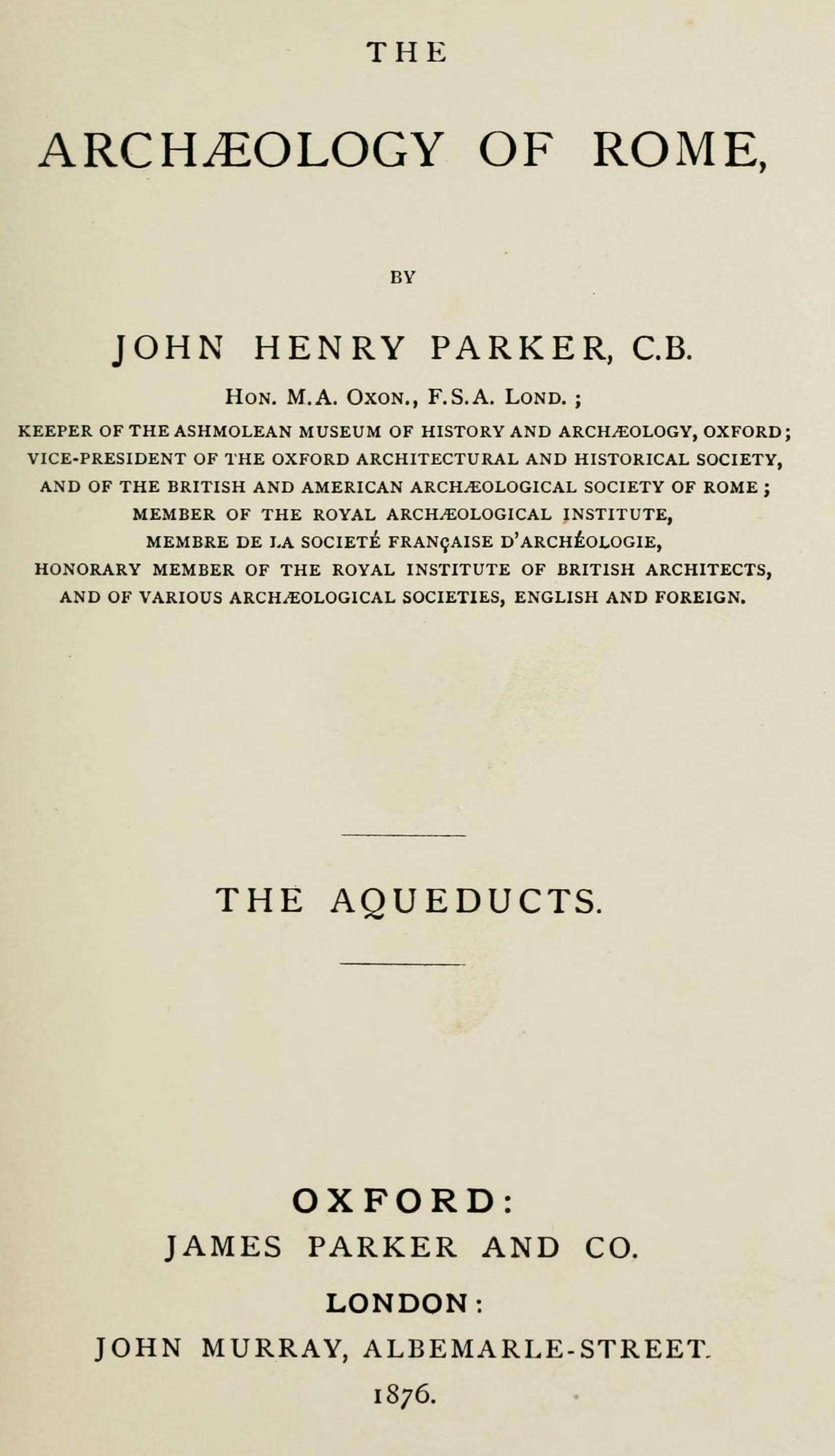
The Archæology of Rome, Part 8: The Aqueducts
A scientific publication written in the late 19th century. This work delves into the history, structure, and significance of the aqueducts that served ancient Rome, illuminating how crucial these engineering marvels were to the city's access to water. Parker illustrates the aqueducts' architectural intricacies and their essential role in sustaining the massive population of the Roman Empire. At the start of ''The Archæology of Rome, Part 8: The Aqueducts,'' Parker emphasizes the necessity of understanding the aqueducts to comprehend Rome's archaeology fully. He sets the stage by discussing the prominent structures that brought water to various public baths and palaces, detailing their grand designs and historical contexts. The initial chapters also reference the ancient writings of Frontinus, who documented the aqueducts, while Parker lays out his findings and plans to illustrate their remains and importance, guiding readers through the complex history of these vital waterways. The opening serves not only as a historical account but also hints at the extensive research and examination he undertook over the years to map these aqueducts accurately.
Editions
X-Ray
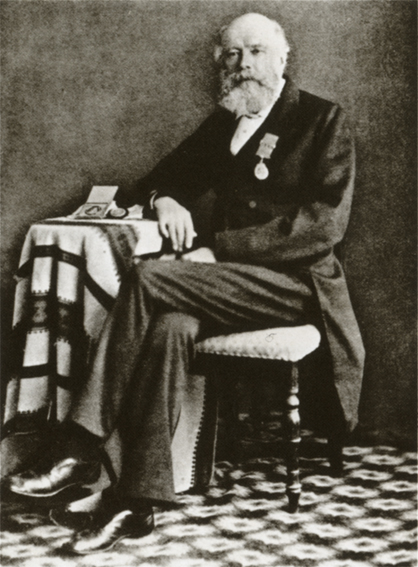
The author and archaeologist who conducted extensive research on Roman aqueducts. He served as Keeper of the Ashmolean Museum and was a member of various archaeological societies.
Roman author and Curator Aquarum under emperors Domitian, Nerva, and Trajan. His treatise on aqueducts is the primary ancient source for understanding the Roman water system.
Roman general and architect who built several aqueducts including the Aqua Virgo and Julia. First Curator Aquarum appointed by Augustus.
Roman emperor who completed the Claudian aqueduct and Anio Novus, two of the most important water supplies for Rome.
About The Archæology of Rome, Part 8: The Aqueducts
Chapter Summaries
- Preface
- Parker explains the necessity of studying aqueducts to understand Roman archaeology, as their remains are found throughout Rome and are often misidentified. He describes the grandeur of the original system and its integration with thermae and palaces.
- I
- The first Roman aqueduct, built by Appius Claudius Crassus, ran mostly underground from springs in Lucullan fields to the Porta Trigemina. Parker traces its course and describes the sources, reservoirs, and distribution system.
- II
- Built by Marcus Curius Dentatus from spoils of Pyrrhus, this aqueduct drew water from the river Anio above Tivoli. Parker describes its 43-mile course and various branches serving different parts of Rome.
Key Themes
- Engineering Excellence
- Parker demonstrates how Roman aqueduct engineering represented sophisticated understanding of hydraulics, gradients, and construction. The Romans achieved remarkable feats like carrying water over 60 miles while maintaining proper flow rates.
- Historical Preservation
- The work emphasizes the importance of documenting and preserving ancient infrastructure before it disappears. Parker's photography and detailed surveys capture structures that were being destroyed even as he studied them.
- Archaeological Methodology
- Parker advocates for systematic field investigation over reliance on ancient texts alone. His approach of tracing each aqueduct from source to terminus exemplifies rigorous archaeological practice.
Characters
- John Henry Parker(protagonist)
- The author and archaeologist who conducted extensive research on Roman aqueducts. He served as Keeper of the Ashmolean Museum and was a member of various archaeological societies.
- Frontinus(major)
- Roman author and Curator Aquarum under emperors Domitian, Nerva, and Trajan. His treatise on aqueducts is the primary ancient source for understanding the Roman water system.
- Marcus Agrippa(major)
- Roman general and architect who built several aqueducts including the Aqua Virgo and Julia. First Curator Aquarum appointed by Augustus.
- Emperor Claudius(major)
- Roman emperor who completed the Claudian aqueduct and Anio Novus, two of the most important water supplies for Rome.
- Emperor Trajan(major)
- Roman emperor under whom major aqueduct repairs and improvements were made, including work on the Sabatina and various restorations.
- Dr. Fabio Gori(minor)
- Native of Subiaco who assisted Parker in tracing aqueduct sources. His local knowledge proved invaluable for identifying the true source of the Aqua Marcia.
Link to this book
Add a free, dofollow link to Lex on your blog, forum, syllabus, or reading list.

<a href="https://lex-books.com/book/the-arch-ology-of-rome-part-8-the-aqueducts-381fe654-ec0f-46dc-b88a-adc6730e7744"><img src="https://lex-books.com/badges/read-on-lex.svg" alt="Read The Archæology of Rome, Part 8: The Aqueducts by John Henry Parker free on Lex" width="160" height="40"></a>[](https://lex-books.com/book/the-arch-ology-of-rome-part-8-the-aqueducts-381fe654-ec0f-46dc-b88a-adc6730e7744)[url=https://lex-books.com/book/the-arch-ology-of-rome-part-8-the-aqueducts-381fe654-ec0f-46dc-b88a-adc6730e7744][img]https://lex-books.com/badges/read-on-lex.svg[/img][/url]Read The Archæology of Rome, Part 8: The Aqueducts by John Henry Parker free on Lex: https://lex-books.com/book/the-arch-ology-of-rome-part-8-the-aqueducts-381fe654-ec0f-46dc-b88a-adc6730e7744Cite this book
Reading this edition for a paper or guide? Copy a citation.
Parker, John Henry. The Archæology of Rome, Part 8: The Aqueducts. Lex, lex-books.com/book/the-arch-ology-of-rome-part-8-the-aqueducts-381fe654-ec0f-46dc-b88a-adc6730e7744.Parker, J. H. (n.d.). The Archæology of Rome, Part 8: The Aqueducts. Lex. https://lex-books.com/book/the-arch-ology-of-rome-part-8-the-aqueducts-381fe654-ec0f-46dc-b88a-adc6730e7744Parker, John Henry. The Archæology of Rome, Part 8: The Aqueducts. Lex. https://lex-books.com/book/the-arch-ology-of-rome-part-8-the-aqueducts-381fe654-ec0f-46dc-b88a-adc6730e7744.