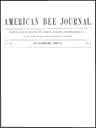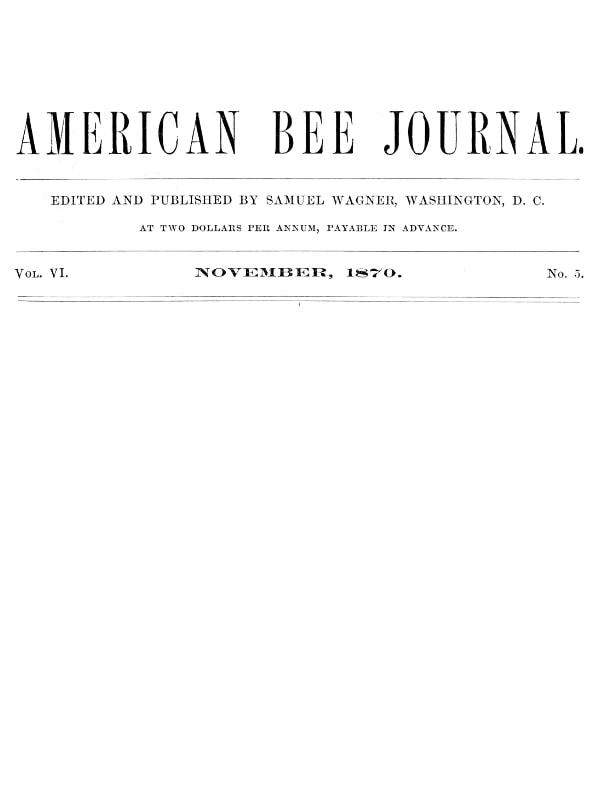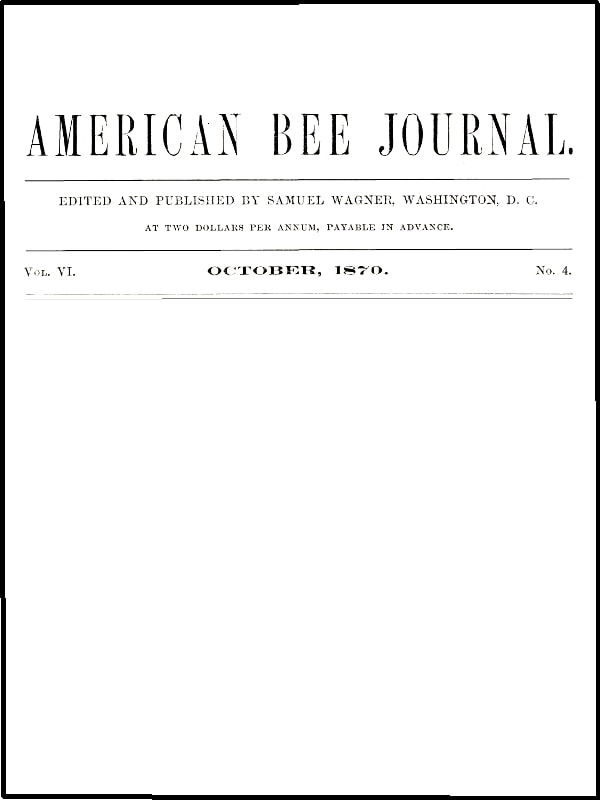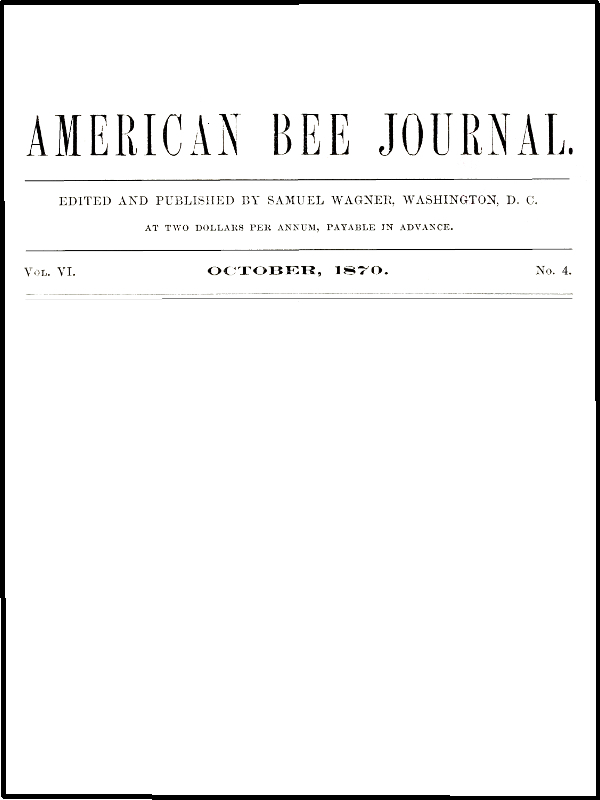
This isn't a book in the modern sense. It's a single issue of a Victorian-era periodical, the October 1870 edition of The American Bee Journal, and that's precisely what makes it mesmerizing. Here, in dispatches from a world still hand-pollinating fruit orchards and debating the ethics of hive-smoking, we find ourselves in a vanished era when bees were inseparable from the agricultural calendar. The issue opens with a deep investigation into honey dew, that mysterious sweet secretion collected by bees when flowers fail, drawing on German observations and American field reports. A. Arnold contributes vivid firsthand accounts of how weather patterns and altitude determine whether honey dew will grace a season's harvest. There are practical instructions for making beekeeping profitable, curious arguments for keeping hives in cities (yes, 1870s New York had urban apiaries), and a genuine ethical awakening around humane treatment of bees. For readers drawn to historical agriculture, sustainability cycles, or the peculiar obsessions of Victorian naturalists, this is a time capsule that smells faintly of smoke and wildflowers.