The Adventures of Pinocchio
1883
The Adventures of Pinocchio
1883
Translated by Carol Della Chiesa
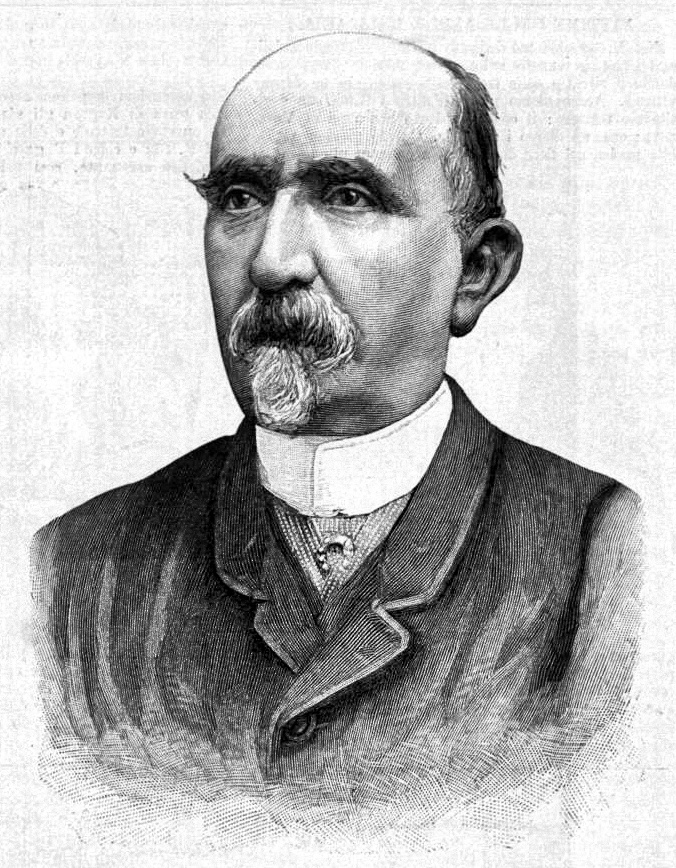
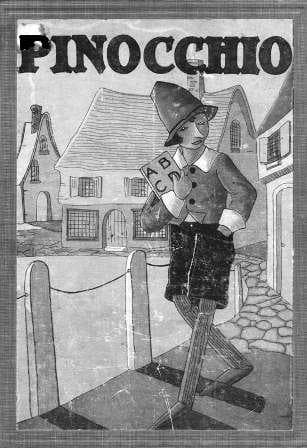
Carlo Collodi's 1883 masterpiece is nothing like the Disney film. This is a savage, satirical fairy tale about a wooden puppet who must earn his humanity through suffering. Created by the poor woodcarver Geppetto, Pinocchio bursts from the workshop already lying, already rebellious, already nose-lengtheningly dishonest. What follows is a gauntlet of punishment and redemption: imprisoned, burned, transformed into a donkey, swallowed whole by a shark. Each catastrophe strips away another layer of selfishness until only kindness remains. Collodi wrote this as political allegory for newly unified Italy, skewering corruption and credulity, but beneath the satire lies a universal truth about growing up: that becoming real means learning to sacrifice for others. The prose is spare, darkly funny, and often brutal. Children who encounter it without Disney-colored expectations discover something far stranger and more profound: a story that takes death seriously and earns its ending through genuine loss.
Editions

Link to this book
Add a free, dofollow link to Lex on your blog, forum, syllabus, or reading list.

<a href="https://lex-books.com/book/the-adventures-of-pinocchio-42ed2a8d-8054-405b-82eb-abc6926dd7e6"><img src="https://lex-books.com/badges/read-on-lex.svg" alt="Read The Adventures of Pinocchio by Carlo Collodi free on Lex" width="160" height="40"></a>[](https://lex-books.com/book/the-adventures-of-pinocchio-42ed2a8d-8054-405b-82eb-abc6926dd7e6)[url=https://lex-books.com/book/the-adventures-of-pinocchio-42ed2a8d-8054-405b-82eb-abc6926dd7e6][img]https://lex-books.com/badges/read-on-lex.svg[/img][/url]Read The Adventures of Pinocchio by Carlo Collodi free on Lex: https://lex-books.com/book/the-adventures-of-pinocchio-42ed2a8d-8054-405b-82eb-abc6926dd7e6Cite this book
Reading this edition for a paper or guide? Copy a citation.
Collodi, Carlo. The Adventures of Pinocchio. Lex, lex-books.com/book/the-adventures-of-pinocchio-42ed2a8d-8054-405b-82eb-abc6926dd7e6.Collodi, C. (1883). The Adventures of Pinocchio. Lex. https://lex-books.com/book/the-adventures-of-pinocchio-42ed2a8d-8054-405b-82eb-abc6926dd7e6Collodi, Carlo. The Adventures of Pinocchio. Lex. https://lex-books.com/book/the-adventures-of-pinocchio-42ed2a8d-8054-405b-82eb-abc6926dd7e6.