Tea, Its History and Mystery
1892
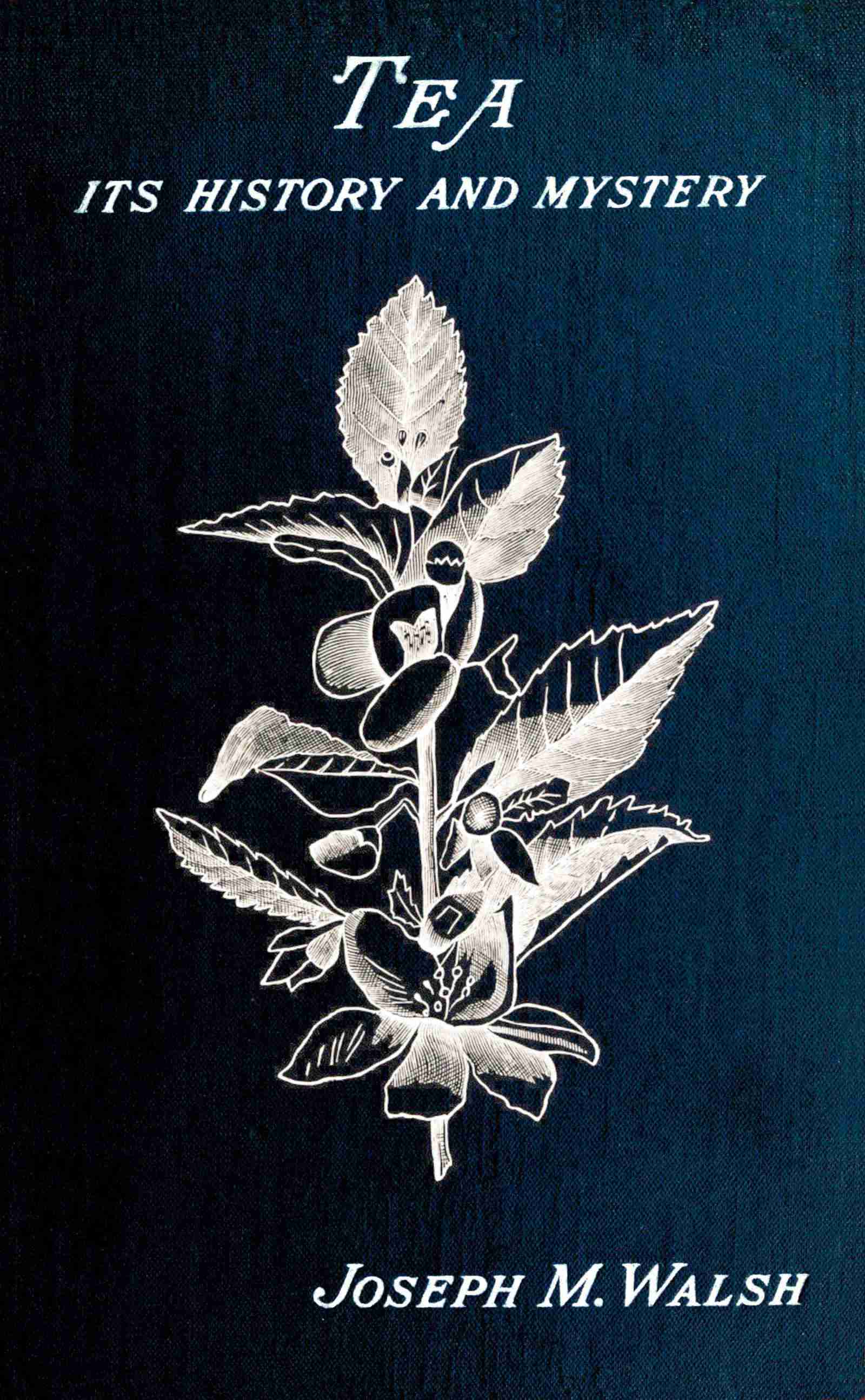
There is a particular pleasure in reading a Victorian trade manual written by someone who actually knew the business. Joseph M. Walsh spent years in the tea trade and grew frustrated that no proper account of the leaf existed in English. So he wrote one himself in 1892, and what emerges is something more fascinating than a mere commodity guide: a window into how the West first fell under tea's spell. Walsh traces the leaf from ancient Chinese legends its discovery by the legendary Emperor Shennong through its rise as the drink that built empires, financed the Opium Wars, sparked the Boston Tea Party, and transformed Britain into a nation of five o'clock worshippers. He explains cultivation methods, grades, and the peculiar language of the trade. But beyond the practical details lies something warmer: a genuine affection for the subject, and a sense that tea is not merely a beverage but a civilization's worth of ritual, philosophy, and commerce wrapped in a single cup. This is for anyone who has ever wondered why a cup of tea feels like tradition itself.
Editions
Link to this book
Add a free, dofollow link to Lex on your blog, forum, syllabus, or reading list.

<a href="https://lex-books.com/book/tea-its-history-and-mystery-48d1544a-82f7-481f-a55e-40aa80a7b22e"><img src="https://lex-books.com/badges/read-on-lex.svg" alt="Read Tea, Its History and Mystery by Joseph M. Walsh free on Lex" width="160" height="40"></a>[](https://lex-books.com/book/tea-its-history-and-mystery-48d1544a-82f7-481f-a55e-40aa80a7b22e)[url=https://lex-books.com/book/tea-its-history-and-mystery-48d1544a-82f7-481f-a55e-40aa80a7b22e][img]https://lex-books.com/badges/read-on-lex.svg[/img][/url]Read Tea, Its History and Mystery by Joseph M. Walsh free on Lex: https://lex-books.com/book/tea-its-history-and-mystery-48d1544a-82f7-481f-a55e-40aa80a7b22eCite this book
Reading this edition for a paper or guide? Copy a citation.
Walsh, Joseph M.. Tea, Its History and Mystery. Lex, lex-books.com/book/tea-its-history-and-mystery-48d1544a-82f7-481f-a55e-40aa80a7b22e.Walsh, J. M. (1892). Tea, Its History and Mystery. Lex. https://lex-books.com/book/tea-its-history-and-mystery-48d1544a-82f7-481f-a55e-40aa80a7b22eWalsh, Joseph M.. Tea, Its History and Mystery. Lex. https://lex-books.com/book/tea-its-history-and-mystery-48d1544a-82f7-481f-a55e-40aa80a7b22e.