Talks to Farmers
1882

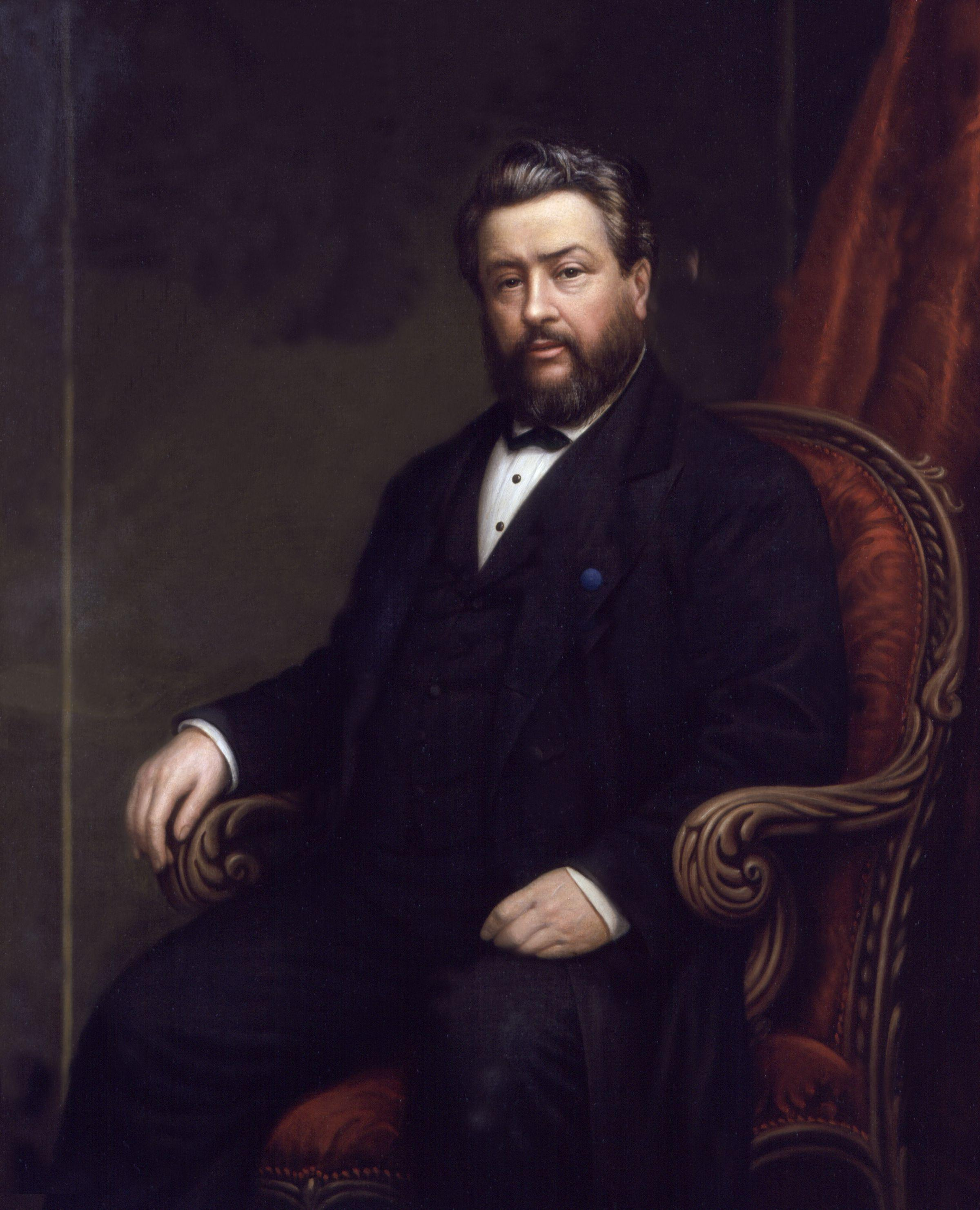
Charles Spurgeon, the "Prince of Preachers" of Victorian England, delivers nineteen sermons directly to farmers, finding God in the furrows of the field. These are not abstract theological treatises but grounded, muscular discourses that use the very soil beneath his listeners' feet as a text. He meditates on the slothful farmer whose land overruns with thorns and nettles, drawing a portrait of spiritual neglect that feels almost physical in its urgency. Each talk moves from plow and seed, from harvest and drought, into the deeper territories of the soul, what it means to be diligent, responsible, to cultivate one's life as carefully as one tends a crop. Spurgeon's rhetoric is vivid and direct, never precious, speaking to an audience that understood the weight of honest labor. The book endures because it refuses to separate the sacred from the daily: here, faith is not separate from work but inseparable from it. For readers interested in Victorian preaching, agricultural history, or spiritual writing that gets its hands dirty, this collection offers wisdom that has lost none of its edge.
Editions

X-Ray
“We ought to be reflections of Christ; but I fear many are reflections upon Christ. When we see a lot of lazy servants, we are apt to think that their master must also be a very idle person, or they would never put up with them. Those who employ sluggards and are satisfied with their snail-like pace, cannot be very active people themselves. We should never let the world think that Christ is indifferent to human woe, that Christ has lost his zeal, that Christ has lost his energy. Yet I fear some will say it or think it if they see those who profess to be laborers in the vineyard of Christ as nothing better than mere sluggards. The slothful, then, are those void of understanding; they lose the honor and pleasure they would find in serving their Master. They are a dishonor to the God they profess to worship.””
— C. H. Spurgeon
“You are not asked to do in the service of God that which is utterly beyond you, for God expects actions of us according to what we have, not according to what we have not.””
— C. H. Spurgeon
“True wisdom is practical; boastful culture brags and theorizes. Wisdom plows its field, wisdom hoes its vineyard, wisdom looks to its crops, wisdom tries to make the best of everything, and he who does not do so”
— C. H. Spurgeon
“Men generally learn wisdom if they have wisdom. The artist’s eye sees the beauty of the landscape because she has beauty in her mind. “To him that has shall be given,” and he shall have abundance, for he shall reap a harvest even from the field that is covered with thorns and nettles. There is a great difference between one individual and another in the use of the mind’s eye.””
— C. H. Spurgeon
“What has the church been doing all these years? She ceased after a few centuries to be a missionary church, and from that hour she almost ceased to be a living church. Whenever a church does not labor for the reclaiming of the desert, it becomes itself a waste.””
— C. H. Spurgeon
“Many talk of what they can do and what they cannot do, and I fear they miss the vital point. Faith is leaving off the can-ing and cannot-ing, and leaving it all to Christ, for he can do all things, though you can do nothing.””
— C. H. Spurgeon
“Happy are they who have a religion that is grounded upon a clear knowledge of eternal verities.””
— C. H. Spurgeon
“Cultivate a child’s heart for good, or it will go wrong of itself, for it is already depraved by nature.””
— C. H. Spurgeon
Link to this book
Add a free, dofollow link to Lex on your blog, forum, syllabus, or reading list.

<a href="https://lex-books.com/book/talks-to-farmers-3bf24aa7-f207-4b63-aeee-e63e5528bb0b"><img src="https://lex-books.com/badges/read-on-lex.svg" alt="Read Talks to Farmers by C. H. Spurgeon free on Lex" width="160" height="40"></a>[](https://lex-books.com/book/talks-to-farmers-3bf24aa7-f207-4b63-aeee-e63e5528bb0b)[url=https://lex-books.com/book/talks-to-farmers-3bf24aa7-f207-4b63-aeee-e63e5528bb0b][img]https://lex-books.com/badges/read-on-lex.svg[/img][/url]Read Talks to Farmers by C. H. Spurgeon free on Lex: https://lex-books.com/book/talks-to-farmers-3bf24aa7-f207-4b63-aeee-e63e5528bb0bCite this book
Reading this edition for a paper or guide? Copy a citation.
Spurgeon, C. H.. Talks to Farmers. Lex, lex-books.com/book/talks-to-farmers-3bf24aa7-f207-4b63-aeee-e63e5528bb0b.Spurgeon, C. H. (1882). Talks to Farmers. Lex. https://lex-books.com/book/talks-to-farmers-3bf24aa7-f207-4b63-aeee-e63e5528bb0bSpurgeon, C. H.. Talks to Farmers. Lex. https://lex-books.com/book/talks-to-farmers-3bf24aa7-f207-4b63-aeee-e63e5528bb0b.