Storia Della Repubblica Di Firenze V. 1/3
1876

Storia Della Repubblica Di Firenze V. 1/3
1876
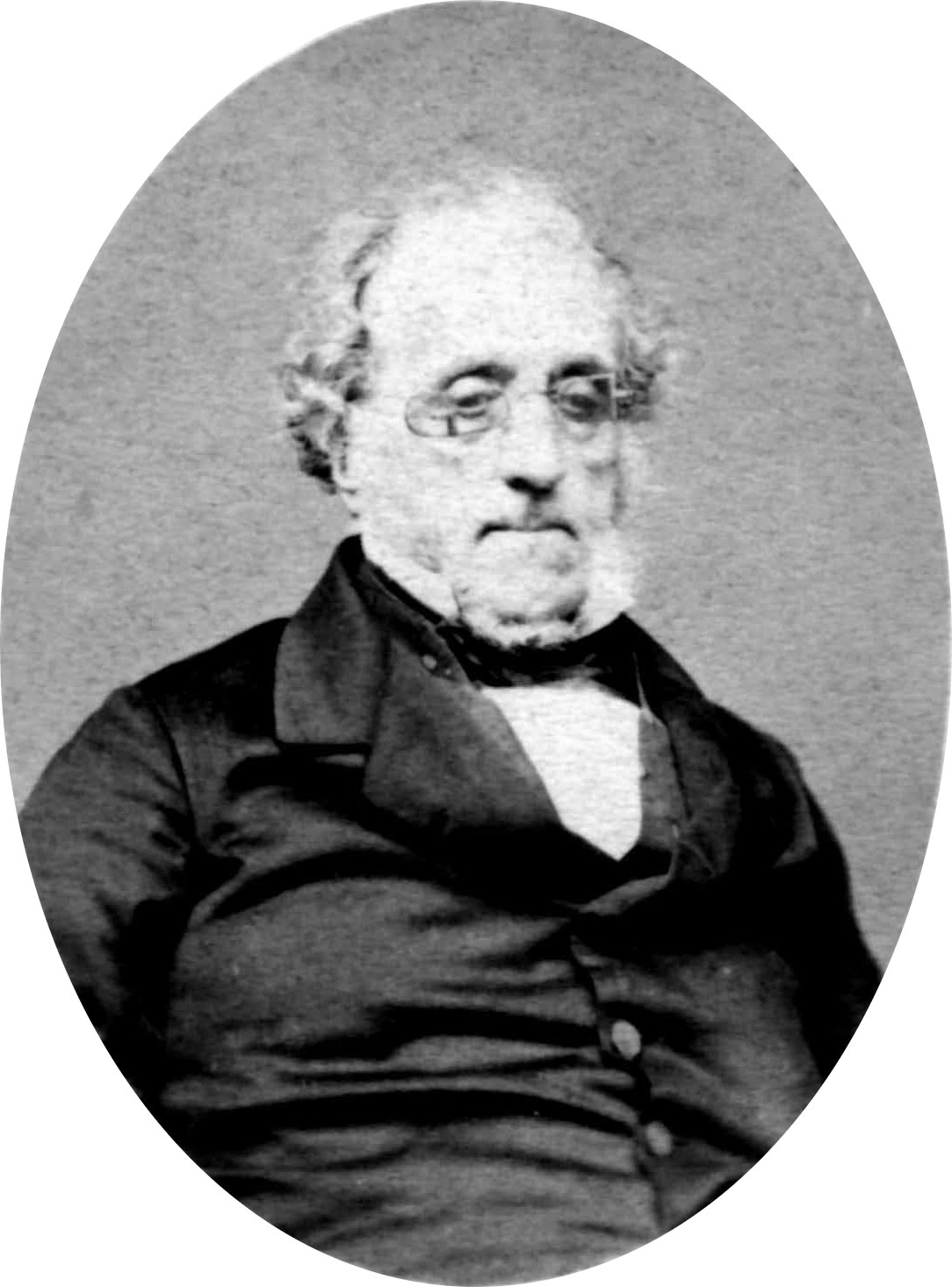
A historical account written in the late 19th century. This work explores the origins, growth, and political evolution of Florence, a significant city-state in medieval Italy, detailing its interactions with surrounding powers and its internal conflicts. Capponi delves into the rise of Florence as a republic, including its governance and the pivotal struggles between the Guelphs and Ghibellines. At the start of the book, Capponi sets the stage by discussing the early history of Florence, tracing its origins from a settlement of Fiesole to a thriving Roman colony. He describes key events that shaped the city's identity, including the influence of Christianity and various sieges it endured. The opening chapters also introduce important historical figures, such as the Countess Matilda, who played a significant role in Florence’s political landscape during its formative years. As Capponi narrates these events, he highlights the complex relationship between the citizens of Florence and the nobility, establishing the groundwork for the tumultuous political conflicts that would arise.
Editions
X-Ray
Powerful Ghibelline leader who saved Florence from destruction after the Battle of Montaperti. Noble and strategic, he defended his city even against his own allies.
Charismatic and ambitious leader of the Black Guelf faction. Described as beautiful, gracious in speech, and supremely ambitious, he met a violent end in 1308.
Wealthy merchant and leader of the White Guelf faction. Less politically astute than his rivals but commanded significant popular support.
The great poet who served as Prior and was exiled in 1302. Fought at Campaldino and became the supreme literary voice of his age.
About Storia Della Repubblica Di Firenze V. 1/3
Chapter Summaries
- I.1
- Florence began as a Roman colony and market town for Etruscan Fiesole. The city survived barbarian invasions and gradually absorbed Fiesole's population, creating a mixed Latin-Etruscan heritage.
- I.2
- Under Countess Matilda's protection, Florence began expanding its territory and developing communal institutions. After her death in 1115, the city continued growing in independence and power.
- I.3
- Florence developed consular government and began the Guelf-Ghibelline conflict with Buondelmonte's murder in 1215. The city expanded its control over the countryside while internal factions grew stronger.
Key Themes
- Rise of Popular Government
- The transformation of Florence from aristocratic rule to government by merchant guilds and artisans, culminating in the Priorato system that excluded nobles from power.
- Factional Violence and Civil Discord
- The devastating cycle of Guelf-Ghibelline conflict that led to repeated exiles, property destruction, and civil warfare, ultimately weakening the city despite its prosperity.
- Church vs. Empire
- The fundamental medieval conflict between papal and imperial authority played out in Florentine politics, with Guelfs supporting the Pope and Ghibellines the Emperor.
Characters
- Farinata degli Uberti(major)
- Powerful Ghibelline leader who saved Florence from destruction after the Battle of Montaperti. Noble and strategic, he defended his city even against his own allies.
- Corso Donati(major)
- Charismatic and ambitious leader of the Black Guelf faction. Described as beautiful, gracious in speech, and supremely ambitious, he met a violent end in 1308.
- Vieri dei Cerchi(major)
- Wealthy merchant and leader of the White Guelf faction. Less politically astute than his rivals but commanded significant popular support.
- Dante Alighieri(major)
- The great poet who served as Prior and was exiled in 1302. Fought at Campaldino and became the supreme literary voice of his age.
- Giano della Bella(major)
- Noble populist who created the Ordinances of Justice against the magnates. Died in exile in France after being overthrown by those he had helped.
- Dino Compagni(major)
- Chronicler and politician who served as Gonfaloniere. Provided intimate firsthand account of Florence's political upheavals.
Link to this book
Add a free, dofollow link to Lex on your blog, forum, syllabus, or reading list.

<a href="https://lex-books.com/book/storia-della-repubblica-di-firenze-v-1-3-1f3bb168-6691-40ff-8fa9-a84680fc50f0"><img src="https://lex-books.com/badges/read-on-lex.svg" alt="Read Storia Della Repubblica Di Firenze V. 1/3 by Gino Capponi free on Lex" width="160" height="40"></a>[](https://lex-books.com/book/storia-della-repubblica-di-firenze-v-1-3-1f3bb168-6691-40ff-8fa9-a84680fc50f0)[url=https://lex-books.com/book/storia-della-repubblica-di-firenze-v-1-3-1f3bb168-6691-40ff-8fa9-a84680fc50f0][img]https://lex-books.com/badges/read-on-lex.svg[/img][/url]Read Storia Della Repubblica Di Firenze V. 1/3 by Gino Capponi free on Lex: https://lex-books.com/book/storia-della-repubblica-di-firenze-v-1-3-1f3bb168-6691-40ff-8fa9-a84680fc50f0Cite this book
Reading this edition for a paper or guide? Copy a citation.
Capponi, Gino. Storia Della Repubblica Di Firenze V. 1/3. Lex, lex-books.com/book/storia-della-repubblica-di-firenze-v-1-3-1f3bb168-6691-40ff-8fa9-a84680fc50f0.Capponi, G. (1876). Storia Della Repubblica Di Firenze V. 1/3. Lex. https://lex-books.com/book/storia-della-repubblica-di-firenze-v-1-3-1f3bb168-6691-40ff-8fa9-a84680fc50f0Capponi, Gino. Storia Della Repubblica Di Firenze V. 1/3. Lex. https://lex-books.com/book/storia-della-repubblica-di-firenze-v-1-3-1f3bb168-6691-40ff-8fa9-a84680fc50f0.