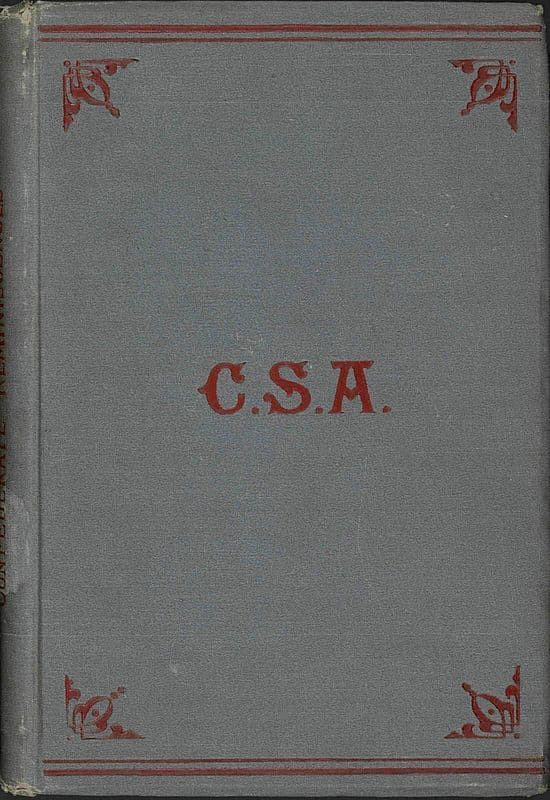
Slave Narratives: A Folk History of Slavery in the United States from Interviews with Former Slaves, Volume II, Arkansas Narratives, Part 6
Slave Narratives: A Folk History of Slavery in the United States from Interviews with Former Slaves, Volume II, Arkansas Narratives, Part 6
United States. Work Projects Administration
In the desperate summer of 1937, as the last Americans who had known slavery slipped into old age, government interviewers fanned across the American South with a simple, urgent question: tell us what you remember. The result is this book, one of the most important collections of American oral history ever assembled. Here, in their own words, formerly enslaved people from Arkansas recount the cotton fields and plantation houses, the families torn apart and the bonds that survived, the war that promised freedom and the long, uncertain years that followed. These are not polished memoirs but raw testimonies, recorded with all the pauses, repetitions, and raw emotion of people confronting memories most had spent lifetimes trying to forget. Doc Quinn remembers Colonel Ogburn's plantation as a child; others recall the Underground Railroad, the brutality of overseers, the small acts of resistance that constituted survival. What emerges is not a single story but a chorus of individual voices, each bearing witness to an experience that shaped a nation. This is primary source material at its most human: messy, contradictory, invaluable, and impossible to look away from.
Editions
X-Ray
“Dis gen'ration too dig'fied to have de old-time 'ligion.””
— United States. Work Projects Administration
“and she whipped my little sister what was only nine months old and jes' a baby to death. She come and took the diaper offen my little sister and whipped till the blood jes' ran”
— United States. Work Projects Administration
“Fore dat, a survey done been made and dey found de raft am a hundred and twenty-eight miles long. When we was on dat raft it am like a big swamp, with trees and thick brush and de driftwood and logs all wedge up tight 'tween everything.””
— United States. Work Projects Administration
“I want to tell how we crosses the Red River on de Red River Raft. Back in them days the Red River was near closed up by dis timber raft and de big boats couldn't git up de river at all. We gits a li'l boat, and a Caddo Indian to guide us. Dis Red River raft dey say was centuries old. De driftwood floatin' down de river stops in de still waters and makes a bunch of trees and de dirt 'cumulates, and broomstraws and willows and brush grows out dis rich dirt what cover de driftwood. Dis raft growed 'bout a mile a year and de oldes' timber rots and breaks away, but dis not fast[Pg 306] 'nough to keep de river clear. We found bee trees on de raft and had honey.””
— United States. Work Projects Administration
“It was long time after us come to Texas when de gov'ment opens up de channel. Dat am in 1873.””
— United States. Work Projects Administration
“Pappy was a Indian. I knows dat. He came from Congo, over in Africa, and I heared him say a big storm druv de ship somewhere on de Ca'lina coast. I 'member he mighty 'spectful to Massa and Missy, but he proud, too, and walk straighter'n anybody I ever seen. He had scars on de right side he head and cheek what he say am tribe marks, but what dey means I don't know.””
— United States. Work Projects Administration
“I never knowed of 'em puttin' bells on the slaves on our place, but over next to us they did. They had a piece what go round they shoulders and round they necks with pieces up over they heads and hung up the bell on the piece over they head.””
— United States. Work Projects Administration
“Papa Day's place. "I 'member one year us don't make no crop hardly and daddy say he gwine git out 'fore us starves to death, and he””
— United States. Work Projects Administration
“Four is here in Austin and two in California and one in Ohio. "I gits a li'l pension, $9.00 de month, and my gal, Susie,””
— United States. Work Projects Administration
Link to this book
Add a free, dofollow link to Lex on your blog, forum, syllabus, or reading list.

<a href="https://lex-books.com/book/slave-narratives-a-folk-history-of-slavery-in-the-united-states-from-interviews--eaacda67-c30b-4748-8535-6ad6ca36a2d4"><img src="https://lex-books.com/badges/read-on-lex.svg" alt="Read Slave Narratives: A Folk History of Slavery in the United States from Interviews with Former Slaves, Volume II, Arkansas Narratives, Part 6 by United States. Work Projects Administration free on Lex" width="160" height="40"></a>[](https://lex-books.com/book/slave-narratives-a-folk-history-of-slavery-in-the-united-states-from-interviews--eaacda67-c30b-4748-8535-6ad6ca36a2d4)[url=https://lex-books.com/book/slave-narratives-a-folk-history-of-slavery-in-the-united-states-from-interviews--eaacda67-c30b-4748-8535-6ad6ca36a2d4][img]https://lex-books.com/badges/read-on-lex.svg[/img][/url]Read Slave Narratives: A Folk History of Slavery in the United States from Interviews with Former Slaves, Volume II, Arkansas Narratives, Part 6 by United States. Work Projects Administration free on Lex: https://lex-books.com/book/slave-narratives-a-folk-history-of-slavery-in-the-united-states-from-interviews--eaacda67-c30b-4748-8535-6ad6ca36a2d4Cite this book
Reading this edition for a paper or guide? Copy a citation.
Administration, United States. Work Projects. Slave Narratives: A Folk History of Slavery in the United States from Interviews with Former Slaves, Volume II, Arkansas Narratives, Part 6. Lex, lex-books.com/book/slave-narratives-a-folk-history-of-slavery-in-the-united-states-from-interviews--eaacda67-c30b-4748-8535-6ad6ca36a2d4.Administration, U. S. W. P. (n.d.). Slave Narratives: A Folk History of Slavery in the United States from Interviews with Former Slaves, Volume II, Arkansas Narratives, Part 6. Lex. https://lex-books.com/book/slave-narratives-a-folk-history-of-slavery-in-the-united-states-from-interviews--eaacda67-c30b-4748-8535-6ad6ca36a2d4Administration, United States. Work Projects. Slave Narratives: A Folk History of Slavery in the United States from Interviews with Former Slaves, Volume II, Arkansas Narratives, Part 6. Lex. https://lex-books.com/book/slave-narratives-a-folk-history-of-slavery-in-the-united-states-from-interviews--eaacda67-c30b-4748-8535-6ad6ca36a2d4.