Shakespeare and Precious Stones: Treating of the Known References of Precious Stones in Shakespeare's Works, with Comments as to the Origin of His Material, the Knowledge of the Poet Concerning Precious Stones, and References as to Where the Precious Stones of His Time Came From
1562
Shakespeare and Precious Stones: Treating of the Known References of Precious Stones in Shakespeare's Works, with Comments as to the Origin of His Material, the Knowledge of the Poet Concerning Precious Stones, and References as to Where the Precious Stones of His Time Came From
1562
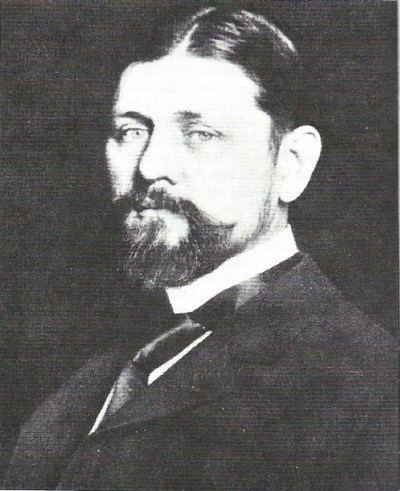
George Frederick Kunz, the era's foremost gemologist, embarks on a meticulous excavation of every precious stone reference scattered across Shakespeare's canon. The result is neither a mere catalog nor dry scholarship, but a revelation of how deeply the Bard absorbed the gem lore, trade routes, and folklore of his world. Kunz traces pearls (those 'drowned men's tears') through thirty-plus appearances, showing how Shakespeare transformed a commodity of international commerce into a symbol of beauty, mourning, and corruption. He maps the poet's knowledge against the gem markets of Elizabethan London and the ancient lapidaries that circulated among Renaissance scholars, asking: what did Shakespeare actually know about the stones he deployed so effectively? The book argues that these references are not decorative flourishes but dense condensations of meaning, carrying the weight of symbol, economics, and natural philosophy that his audience would have instantly recognized. For readers curious about how Shakespeare built his imagined worlds from the raw material of actual experience, this study offers a startlingly concrete window into the Bard's workshop.
Editions
Link to this book
Add a free, dofollow link to Lex on your blog, forum, syllabus, or reading list.

<a href="https://lex-books.com/book/shakespeare-and-precious-stones-treating-of-the-known-references-of-precious-sto-1d89a891-6bea-4350-a2d2-a5d0a93c6610"><img src="https://lex-books.com/badges/read-on-lex.svg" alt="Read Shakespeare and Precious Stones: Treating of the Known References of Precious Stones in Shakespeare's Works, with Comments as to the Origin of His Material, the Knowledge of the Poet Concerning Precious Stones, and References as to Where the Precious Stones of His Time Came From by George Frederick Kunz free on Lex" width="160" height="40"></a>[](https://lex-books.com/book/shakespeare-and-precious-stones-treating-of-the-known-references-of-precious-sto-1d89a891-6bea-4350-a2d2-a5d0a93c6610)[url=https://lex-books.com/book/shakespeare-and-precious-stones-treating-of-the-known-references-of-precious-sto-1d89a891-6bea-4350-a2d2-a5d0a93c6610][img]https://lex-books.com/badges/read-on-lex.svg[/img][/url]Read Shakespeare and Precious Stones: Treating of the Known References of Precious Stones in Shakespeare's Works, with Comments as to the Origin of His Material, the Knowledge of the Poet Concerning Precious Stones, and References as to Where the Precious Stones of His Time Came From by George Frederick Kunz free on Lex: https://lex-books.com/book/shakespeare-and-precious-stones-treating-of-the-known-references-of-precious-sto-1d89a891-6bea-4350-a2d2-a5d0a93c6610Cite this book
Reading this edition for a paper or guide? Copy a citation.
Kunz, George Frederick. Shakespeare and Precious Stones: Treating of the Known References of Precious Stones in Shakespeare's Works, with Comments as to the Origin of His Material, the Knowledge of the Poet Concerning Precious Stones, and References as to Where the Precious Stones of His Time Came From. Lex, lex-books.com/book/shakespeare-and-precious-stones-treating-of-the-known-references-of-precious-sto-1d89a891-6bea-4350-a2d2-a5d0a93c6610.Kunz, G. F. (1562). Shakespeare and Precious Stones: Treating of the Known References of Precious Stones in Shakespeare's Works, with Comments as to the Origin of His Material, the Knowledge of the Poet Concerning Precious Stones, and References as to Where the Precious Stones of His Time Came From. Lex. https://lex-books.com/book/shakespeare-and-precious-stones-treating-of-the-known-references-of-precious-sto-1d89a891-6bea-4350-a2d2-a5d0a93c6610Kunz, George Frederick. Shakespeare and Precious Stones: Treating of the Known References of Precious Stones in Shakespeare's Works, with Comments as to the Origin of His Material, the Knowledge of the Poet Concerning Precious Stones, and References as to Where the Precious Stones of His Time Came From. Lex. https://lex-books.com/book/shakespeare-and-precious-stones-treating-of-the-known-references-of-precious-sto-1d89a891-6bea-4350-a2d2-a5d0a93c6610.