Seaward: An Elegy on the Death of Thomas William Parsons
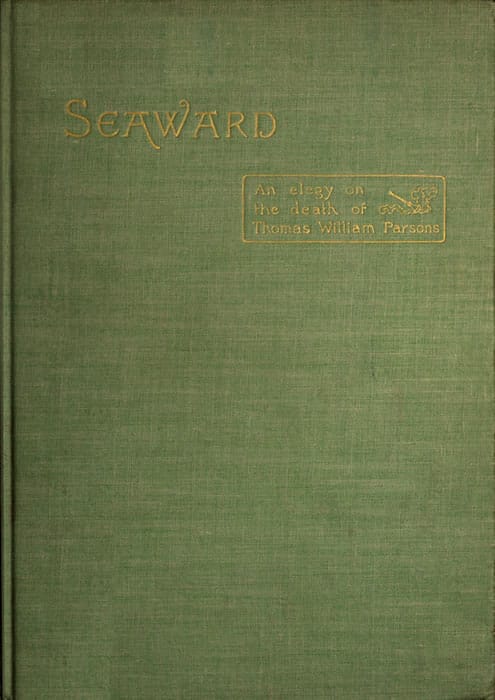
Richard Hovey's "Seaward" is a deeply felt elegy that transforms grief into something vast and eternal. Written in the late nineteenth century, the poem meditates on the death of Thomas William Parsons, the American poet and translator whose lifelong devotion to Dante's "Divine Comedy" made him a towering figure in literary Boston. Hovey does not simply mourn; he casts his sorrow outward toward the sea, that endless companion to loss, which becomes both comforter and undertaker. The marshes and ocean serve as witnesses to grief, their tides echoing the pull of memory. Through verses that move between elegy and celebration, Hovey captures something profound about the loneliness of the surviving artist, the empty chair, the unwritten letters, the silence where a friend's voice once lived. This is not merely a funeral ornament but a fierce, honest reckoning with mortality and the stubborn persistence of beauty. For readers who cherish the American Renaissance in poetry, or anyone who has ever looked to the sea and found there both peace and terror, "Seaward" offers a meditation that still resonates across the centuries.
Editions
Link to this book
Add a free, dofollow link to Lex on your blog, forum, syllabus, or reading list.

<a href="https://lex-books.com/book/seaward-an-elegy-on-the-death-of-thomas-william-parsons-42dec832-ffd1-45a4-acdb-b8d164ad3033"><img src="https://lex-books.com/badges/read-on-lex.svg" alt="Read Seaward: An Elegy on the Death of Thomas William Parsons by Richard Hovey free on Lex" width="160" height="40"></a>[](https://lex-books.com/book/seaward-an-elegy-on-the-death-of-thomas-william-parsons-42dec832-ffd1-45a4-acdb-b8d164ad3033)[url=https://lex-books.com/book/seaward-an-elegy-on-the-death-of-thomas-william-parsons-42dec832-ffd1-45a4-acdb-b8d164ad3033][img]https://lex-books.com/badges/read-on-lex.svg[/img][/url]Read Seaward: An Elegy on the Death of Thomas William Parsons by Richard Hovey free on Lex: https://lex-books.com/book/seaward-an-elegy-on-the-death-of-thomas-william-parsons-42dec832-ffd1-45a4-acdb-b8d164ad3033Cite this book
Reading this edition for a paper or guide? Copy a citation.
Hovey, Richard. Seaward: An Elegy on the Death of Thomas William Parsons. Lex, lex-books.com/book/seaward-an-elegy-on-the-death-of-thomas-william-parsons-42dec832-ffd1-45a4-acdb-b8d164ad3033.Hovey, R. (n.d.). Seaward: An Elegy on the Death of Thomas William Parsons. Lex. https://lex-books.com/book/seaward-an-elegy-on-the-death-of-thomas-william-parsons-42dec832-ffd1-45a4-acdb-b8d164ad3033Hovey, Richard. Seaward: An Elegy on the Death of Thomas William Parsons. Lex. https://lex-books.com/book/seaward-an-elegy-on-the-death-of-thomas-william-parsons-42dec832-ffd1-45a4-acdb-b8d164ad3033.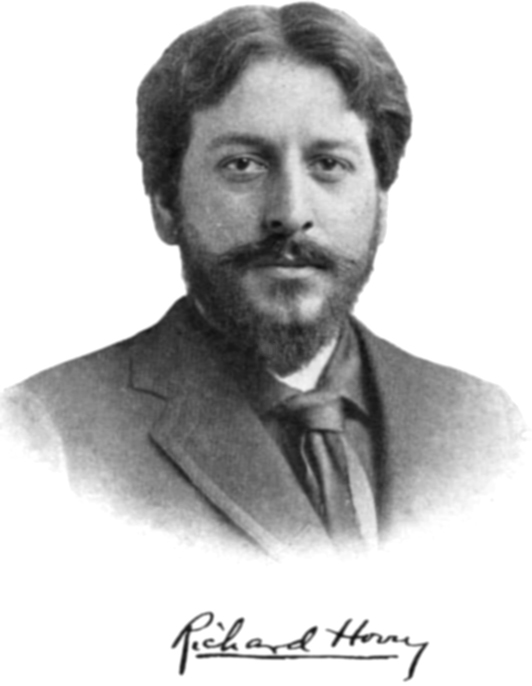





![Birds and Nature, Vol. 12 No. 1 [June 1902]illustrated by Color Photography](/_next/image?url=https%3A%2F%2Fd3b2n8gj62qnwr.cloudfront.net%2FCOVERS%2Fgutenberg_covers75k%2Febook-47881.png&w=3840&q=75)