Rubáiyát of Omar Khayyám (Fitzgerald version)
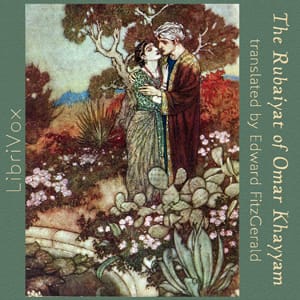
A glass of wine in the garden, the fading roses, the stars turning overhead: this is the stuff of these ancient Persian quatrains, but make no mistake, this is no simple celebration of pleasure. Omar Khayyám was a mathematician and astronomer who looked at the cosmos and saw not divine order but a universe indifferent to human longing. His verses grapple with what we can know, what we owe ourselves, and whether anything awaits beyond the grave. Edward FitzGerald's 1859 translation didn't just render these poems into English - he reimagined them into something new, a Victorian meditation on mortality that feels startlingly modern. The result is a book you can read in an afternoon and think about for a lifetime: four-line stanzas that move from skepticism to sorrow to hard-won joy, urging us to drink deeply because tomorrow we will be gone. It became the secret bible of generations of readers who found in its pages permission to embrace the present moment without the weight of theological certainty.
Editions


Link to this book
Add a free, dofollow link to Lex on your blog, forum, syllabus, or reading list.

<a href="https://lex-books.com/book/rub-iy-t-of-omar-khayy-m-fitzgerald-version-6d006ad8-c722-4bbc-9210-9c19fa1b8362"><img src="https://lex-books.com/badges/read-on-lex.svg" alt="Read Rubáiyát of Omar Khayyám (Fitzgerald version) by Omar Khayyám free on Lex" width="160" height="40"></a>[](https://lex-books.com/book/rub-iy-t-of-omar-khayy-m-fitzgerald-version-6d006ad8-c722-4bbc-9210-9c19fa1b8362)[url=https://lex-books.com/book/rub-iy-t-of-omar-khayy-m-fitzgerald-version-6d006ad8-c722-4bbc-9210-9c19fa1b8362][img]https://lex-books.com/badges/read-on-lex.svg[/img][/url]Read Rubáiyát of Omar Khayyám (Fitzgerald version) by Omar Khayyám free on Lex: https://lex-books.com/book/rub-iy-t-of-omar-khayy-m-fitzgerald-version-6d006ad8-c722-4bbc-9210-9c19fa1b8362Cite this book
Reading this edition for a paper or guide? Copy a citation.
Khayyám, Omar. Rubáiyát of Omar Khayyám (Fitzgerald version). Lex, lex-books.com/book/rub-iy-t-of-omar-khayy-m-fitzgerald-version-6d006ad8-c722-4bbc-9210-9c19fa1b8362.Khayyám, O. (n.d.). Rubáiyát of Omar Khayyám (Fitzgerald version). Lex. https://lex-books.com/book/rub-iy-t-of-omar-khayy-m-fitzgerald-version-6d006ad8-c722-4bbc-9210-9c19fa1b8362Khayyám, Omar. Rubáiyát of Omar Khayyám (Fitzgerald version). Lex. https://lex-books.com/book/rub-iy-t-of-omar-khayy-m-fitzgerald-version-6d006ad8-c722-4bbc-9210-9c19fa1b8362.


![Birds and Nature, Vol. 12 No. 1 [June 1902]illustrated by Color Photography](/_next/image?url=https%3A%2F%2Fd3b2n8gj62qnwr.cloudfront.net%2FCOVERS%2Fgutenberg_covers75k%2Febook-47881.png&w=3840&q=75)