Roughing It in the Bush
1852
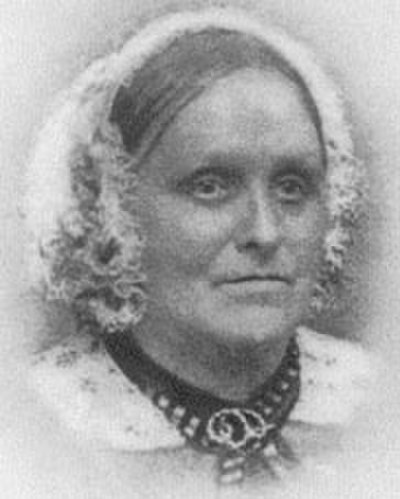
In 1832, Susanna Moodie left England for Canada with her husband and young daughter, carrying the hopeful notion that the Canadian wilderness would offer them comfort and independence. What she discovered was a landscape of brutal isolation and relentless hardship. This is that story: a memoir that functions as both a settlers' guide and an unsentimental portrait of what it actually meant to build a life in the bush. Moodie's prose moves between moments of stark terror (the cholera quarantine at Grosse Isle, illness threatening her children through frozen winters) and sharp, sardonic humor at the absurd gap between the romantic promises of emigration propaganda and the grinding reality of clearing forest for a living. She writes about losing illusions while finding something else instead: a complicated, hard-won love for a landscape that nearly destroyed her. Roughing It in the Bush endures as foundational Canadian literature precisely because it refuses to prettify what colonization cost, offering instead a document of survival, adaptation, and the particular resilience required to make a home in a place that does not want you.
Editions
X-Ray
“When things come to the worst, they generally mend.””
— Susanna Moodie
Link to this book
Add a free, dofollow link to Lex on your blog, forum, syllabus, or reading list.

<a href="https://lex-books.com/book/roughing-it-in-the-bush-3b494686-b2cf-4a18-8a4b-c1dc86c80163"><img src="https://lex-books.com/badges/read-on-lex.svg" alt="Read Roughing It in the Bush by Susanna Moodie free on Lex" width="160" height="40"></a>[](https://lex-books.com/book/roughing-it-in-the-bush-3b494686-b2cf-4a18-8a4b-c1dc86c80163)[url=https://lex-books.com/book/roughing-it-in-the-bush-3b494686-b2cf-4a18-8a4b-c1dc86c80163][img]https://lex-books.com/badges/read-on-lex.svg[/img][/url]Read Roughing It in the Bush by Susanna Moodie free on Lex: https://lex-books.com/book/roughing-it-in-the-bush-3b494686-b2cf-4a18-8a4b-c1dc86c80163Cite this book
Reading this edition for a paper or guide? Copy a citation.
Moodie, Susanna. Roughing It in the Bush. Lex, lex-books.com/book/roughing-it-in-the-bush-3b494686-b2cf-4a18-8a4b-c1dc86c80163.Moodie, S. (1852). Roughing It in the Bush. Lex. https://lex-books.com/book/roughing-it-in-the-bush-3b494686-b2cf-4a18-8a4b-c1dc86c80163Moodie, Susanna. Roughing It in the Bush. Lex. https://lex-books.com/book/roughing-it-in-the-bush-3b494686-b2cf-4a18-8a4b-c1dc86c80163.