Rome and Carthage: The Punic Wars
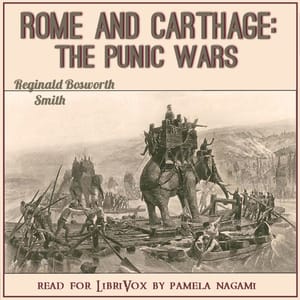
Three wars over a century. Two empires fighting for dominance of the Mediterranean. One city reduced to rubble and salt. The Punic Wars (264-146 BC) reshaped the ancient world entirely. Carthage, a Phoenician mercantile power built on trade and hired armies, confronted Rome, a republic in the process of becoming something far more formidable. The conflict produced history's most legendary Alpine crossing, as Hannibal led his army and elephants down into Italy. It gave Rome its defining general, Scipio Africanus, and forced the Romans to abandon everything they thought they knew about warfare, allegiance, and endurance. This is not merely military history. It examines how empires expand, how adversaries become instructors, and how annihilation awaits those who refuse to adapt. Carthage collapsed, its lands salted, its identity erased. Rome inherited the Mediterranean. The repercussions reverberate to this very day. For readers seeking history with the weight of epic, history that illuminates the foundations of Western civilization, this work explores the conflict that made Rome eternal.
Editions

Link to this book
Add a free, dofollow link to Lex on your blog, forum, syllabus, or reading list.

<a href="https://lex-books.com/book/rome-and-carthage-the-punic-wars-21a37966-6686-48e2-bc6a-2141296f6632"><img src="https://lex-books.com/badges/read-on-lex.svg" alt="Read Rome and Carthage: The Punic Wars by Reginald Bosworth Smith free on Lex" width="160" height="40"></a>[](https://lex-books.com/book/rome-and-carthage-the-punic-wars-21a37966-6686-48e2-bc6a-2141296f6632)[url=https://lex-books.com/book/rome-and-carthage-the-punic-wars-21a37966-6686-48e2-bc6a-2141296f6632][img]https://lex-books.com/badges/read-on-lex.svg[/img][/url]Read Rome and Carthage: The Punic Wars by Reginald Bosworth Smith free on Lex: https://lex-books.com/book/rome-and-carthage-the-punic-wars-21a37966-6686-48e2-bc6a-2141296f6632Cite this book
Reading this edition for a paper or guide? Copy a citation.
Smith, Reginald Bosworth. Rome and Carthage: The Punic Wars. Lex, lex-books.com/book/rome-and-carthage-the-punic-wars-21a37966-6686-48e2-bc6a-2141296f6632.Smith, R. B. (n.d.). Rome and Carthage: The Punic Wars. Lex. https://lex-books.com/book/rome-and-carthage-the-punic-wars-21a37966-6686-48e2-bc6a-2141296f6632Smith, Reginald Bosworth. Rome and Carthage: The Punic Wars. Lex. https://lex-books.com/book/rome-and-carthage-the-punic-wars-21a37966-6686-48e2-bc6a-2141296f6632.