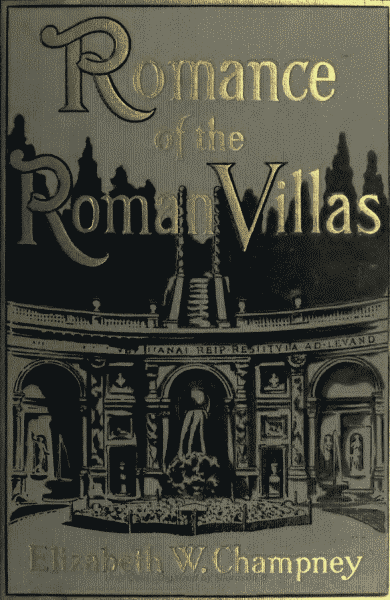
Romance of Roman Villas (the Renaissance)
1908
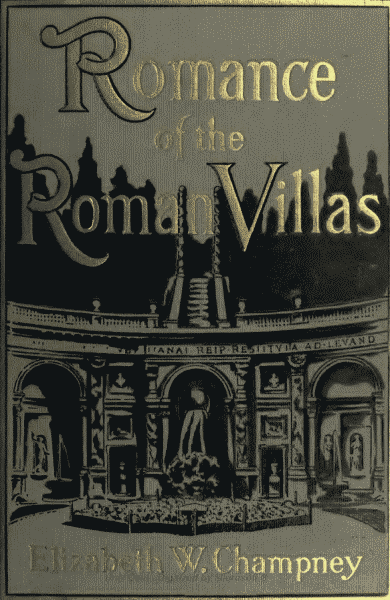
Romance of Roman Villas (the Renaissance)
1908
Champney wanders through the fading grandeur of Renaissance Rome, where the cardinals built villas of staggering beauty that time has not entirely erased. These were palaces of ambition, desire, and art, where Michelangelo sketched and Borgia poison flowed. The author traces the threads connecting architectural splendor to the human dramas unfoldeding within those frescoed walls: Cesare Borgia's calculated cruelties, the fierce defiance of Caterina Sforza, the Church's tangled politics made manifest in stone and garden. Champney writes with an novelist's eye for detail and a scholar's rigor, painting the villas not as mere monuments but as living witnesses to an era when religious power and worldly pleasure coexisted in breathtaking tension. The Renaissance emerges here not as a textbook period but as a series of intimate spaces where art was commissioned, alliances forged, and futures decided. For readers who have ever stood in a crumbling palazzo and wondered who walked these corridors before, this book opens those doors.
Editions

Link to this book
Add a free, dofollow link to Lex on your blog, forum, syllabus, or reading list.

<a href="https://lex-books.com/book/romance-of-roman-villas-the-renaissance-825f549e-dfe3-4d27-9f99-3c73cbe85b3d"><img src="https://lex-books.com/badges/read-on-lex.svg" alt="Read Romance of Roman Villas (the Renaissance) by Elizabeth W. Champney free on Lex" width="160" height="40"></a>[](https://lex-books.com/book/romance-of-roman-villas-the-renaissance-825f549e-dfe3-4d27-9f99-3c73cbe85b3d)[url=https://lex-books.com/book/romance-of-roman-villas-the-renaissance-825f549e-dfe3-4d27-9f99-3c73cbe85b3d][img]https://lex-books.com/badges/read-on-lex.svg[/img][/url]Read Romance of Roman Villas (the Renaissance) by Elizabeth W. Champney free on Lex: https://lex-books.com/book/romance-of-roman-villas-the-renaissance-825f549e-dfe3-4d27-9f99-3c73cbe85b3dCite this book
Reading this edition for a paper or guide? Copy a citation.
Champney, Elizabeth W.. Romance of Roman Villas (the Renaissance). Lex, lex-books.com/book/romance-of-roman-villas-the-renaissance-825f549e-dfe3-4d27-9f99-3c73cbe85b3d.Champney, E. W. (1908). Romance of Roman Villas (the Renaissance). Lex. https://lex-books.com/book/romance-of-roman-villas-the-renaissance-825f549e-dfe3-4d27-9f99-3c73cbe85b3dChampney, Elizabeth W.. Romance of Roman Villas (the Renaissance). Lex. https://lex-books.com/book/romance-of-roman-villas-the-renaissance-825f549e-dfe3-4d27-9f99-3c73cbe85b3d.