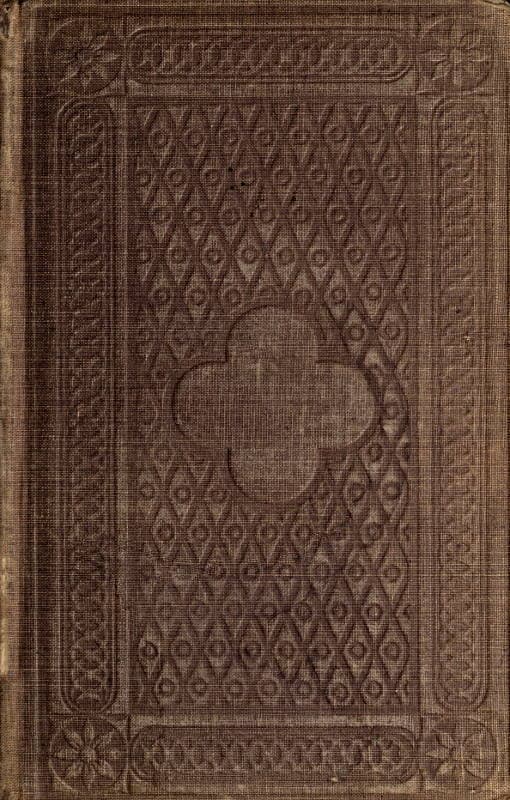
Prince Henry the Navigator, the Hero of Portugal and of Modern Discovery, 1394-1460 A.D.: With an Account of Geographical Progress Throughout the Middle Ages as the Preparation for His Work.
Prince Henry the Navigator, the Hero of Portugal and of Modern Discovery, 1394-1460 A.D.: With an Account of Geographical Progress Throughout the Middle Ages as the Preparation for His Work.
A historical account written in the late 19th century. The book centers on Prince Henry of Portugal, who is often credited with advancing the Age of Discovery through his support of exploration along the African coast. It also explores the broader context of medieval geographical knowledge and the role of Christian Europe in the development of navigation. The opening of the work presents a detailed preface that highlights its dual focus: it aims to recount both the life of Prince Henry and the progression of geographical understanding leading up to his era. It emphasizes the historical narrative of exploration as a thread through Christian Europe, illustrating how Prince Henry’s pursuits represent a significant turning point in this ongoing saga. The text stresses Henry's remarkable contributions to maritime exploration while setting the stage for the transformation of European awareness and knowledge of the wider world, particularly through the advancement of maritime navigation techniques that would define later periods of exploration.
Editions
X-Ray
Third son of King John I of Portugal, born 1394, Duke of Viseu, Master of the Order of Christ, Governor of the Algarves. The central figure who devoted his life to systematic exploration and discovery, establishing a school of navigation at Sagres and directing Portuguese voyages along the African coast.
Founder of the House of Aviz, Master of the Knights of Aviz who led the revolution of 1383 and defeated Castile at Aljubarrota. Father of Prince Henry and architect of Portugal's independence and maritime expansion.
Daughter of John of Gaunt, Duke of Lancaster, wife of King John I. English princess who helped train the 'Famous Infants' and died in 1415 just before the Ceuta expedition, blessing the enterprise.
Prince Henry's elder brother, known as 'the Great Regent' and 'the Traveller.' Served as regent for his nephew Affonso V and brought valuable maps and knowledge from his European travels to aid Henry's discoveries.
About Prince Henry the Navigator, the Hero of Portugal and of Modern Discovery, 1394-1460 A.D.: With an Account of Geographical Progress Throughout the Middle Ages as the Preparation for His Work.
Chapter Summaries
- Introduction
- Examines the geographical knowledge inherited by medieval Christendom from Greek and Arabic sources, particularly Ptolemy's errors and Arabic limitations that Henry would need to overcome. Sets the intellectual context for Henry's revolutionary approach to exploration.
- 1
- Traces the development of Christian geographical knowledge through pilgrimage accounts from Constantine's time through the Dark Ages. Shows how religious travel provided the first expansion of European horizons beyond the classical world.
- 2
- Chronicles the Norse discoveries in the North Atlantic, including Iceland, Greenland, and Vinland (America). Demonstrates how Viking expansion represented the first major European breakthrough into unknown oceans.
Key Themes
- Scientific Progress vs. Superstition
- The book chronicles the triumph of systematic observation and exploration over medieval fears and Arabic legends about the 'Sea of Darkness' and uninhabitable tropical zones. Henry's methodical approach replaced fantasy with empirical knowledge.
- Christian Crusading Spirit
- Henry's exploration was deeply motivated by religious zeal - to spread Christianity, find the legendary Prester John, and outflank Islam by reaching the Indies. The voyages were seen as a continuation of the Crusades by other means.
- National Destiny and Imperial Ambition
- Portugal's transformation from a small kingdom into a maritime empire began with Henry's vision. The book presents Portuguese expansion as fulfilling a divine mission to lead European civilization into a larger world.
Characters
- Prince Henry the Navigator(protagonist)
- Third son of King John I of Portugal, born 1394, Duke of Viseu, Master of the Order of Christ, Governor of the Algarves. The central figure who devoted his life to systematic exploration and discovery, establishing a school of navigation at Sagres and directing Portuguese voyages along the African coast.
- King John I (John the Great)(major)
- Founder of the House of Aviz, Master of the Knights of Aviz who led the revolution of 1383 and defeated Castile at Aljubarrota. Father of Prince Henry and architect of Portugal's independence and maritime expansion.
- Queen Philippa(major)
- Daughter of John of Gaunt, Duke of Lancaster, wife of King John I. English princess who helped train the 'Famous Infants' and died in 1415 just before the Ceuta expedition, blessing the enterprise.
- Pedro (Don Pedro)(major)
- Prince Henry's elder brother, known as 'the Great Regent' and 'the Traveller.' Served as regent for his nephew Affonso V and brought valuable maps and knowledge from his European travels to aid Henry's discoveries.
- Edward (King Edward)(major)
- Prince Henry's eldest brother who succeeded John I as king. Known as 'the Eloquent,' he was a scholar and writer who supported Henry's exploration efforts until his early death in 1438.
- Gil Eannes(major)
- Portuguese navigator and one of Henry's most trusted captains. First European to successfully round Cape Bojador in 1434, breaking the psychological barrier that had prevented further African exploration.
Link to this book
Add a free, dofollow link to Lex on your blog, forum, syllabus, or reading list.

<a href="https://lex-books.com/book/prince-henry-the-navigator-the-hero-of-portugal-and-of-modern-discovery-1394-146-83bfc9e0-5206-4707-b34f-5d1d74d7d2fe"><img src="https://lex-books.com/badges/read-on-lex.svg" alt="Read Prince Henry the Navigator, the Hero of Portugal and of Modern Discovery, 1394-1460 A.D.: With an Account of Geographical Progress Throughout the Middle Ages as the Preparation for His Work. by C. Raymond Beazley free on Lex" width="160" height="40"></a>[](https://lex-books.com/book/prince-henry-the-navigator-the-hero-of-portugal-and-of-modern-discovery-1394-146-83bfc9e0-5206-4707-b34f-5d1d74d7d2fe)[url=https://lex-books.com/book/prince-henry-the-navigator-the-hero-of-portugal-and-of-modern-discovery-1394-146-83bfc9e0-5206-4707-b34f-5d1d74d7d2fe][img]https://lex-books.com/badges/read-on-lex.svg[/img][/url]Read Prince Henry the Navigator, the Hero of Portugal and of Modern Discovery, 1394-1460 A.D.: With an Account of Geographical Progress Throughout the Middle Ages as the Preparation for His Work. by C. Raymond Beazley free on Lex: https://lex-books.com/book/prince-henry-the-navigator-the-hero-of-portugal-and-of-modern-discovery-1394-146-83bfc9e0-5206-4707-b34f-5d1d74d7d2feCite this book
Reading this edition for a paper or guide? Copy a citation.
Beazley, C. Raymond. Prince Henry the Navigator, the Hero of Portugal and of Modern Discovery, 1394-1460 A.D.: With an Account of Geographical Progress Throughout the Middle Ages as the Preparation for His Work.. Lex, lex-books.com/book/prince-henry-the-navigator-the-hero-of-portugal-and-of-modern-discovery-1394-146-83bfc9e0-5206-4707-b34f-5d1d74d7d2fe.Beazley, C. R. (n.d.). Prince Henry the Navigator, the Hero of Portugal and of Modern Discovery, 1394-1460 A.D.: With an Account of Geographical Progress Throughout the Middle Ages as the Preparation for His Work.. Lex. https://lex-books.com/book/prince-henry-the-navigator-the-hero-of-portugal-and-of-modern-discovery-1394-146-83bfc9e0-5206-4707-b34f-5d1d74d7d2feBeazley, C. Raymond. Prince Henry the Navigator, the Hero of Portugal and of Modern Discovery, 1394-1460 A.D.: With an Account of Geographical Progress Throughout the Middle Ages as the Preparation for His Work.. Lex. https://lex-books.com/book/prince-henry-the-navigator-the-hero-of-portugal-and-of-modern-discovery-1394-146-83bfc9e0-5206-4707-b34f-5d1d74d7d2fe.