Poetry of St John of the Cross
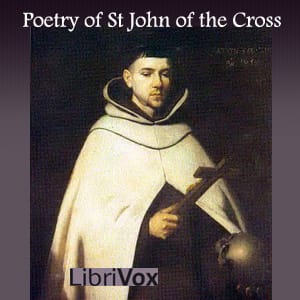
Poetry of St John of the Cross
The poems of St. John of the Cross rank among the most transcendent verses ever written in the name of divine love. A 16th-century Carmelite reformer and co-founder of the Discalced Carmelites alongside Teresa of Ávila, John wrote from the crucible of his own spiritual extremity: imprisonment, deprivation, and the annihilating silence of God that he called the "dark night of the soul." These are not comfortable verses. They burn with longing, with the soul's unbearable desire to dissolve into the infinite, with the painful knowledge that union with the divine requires the destruction of everything that is not divine. The famous "Dark Night" poem traces the soul's passage through purification, through darkness, fire, and stripping, toward a love so absolute it dissolves the self that loves. John's language is at once precise and unknowable, precise enough to guide other mystics, unknowable enough to resist final interpretation. Five centuries later, these poems still function as they were written to function: as maps for those willing to be consumed, as testimony that the path to God leads through annihilation, and as some of the most beautiful and terrible poetry in the Western tradition. They are for readers who have known spiritual hunger, or who wish to understand what it means to want God so badly that wanting itself becomes unbearable.
X-Ray