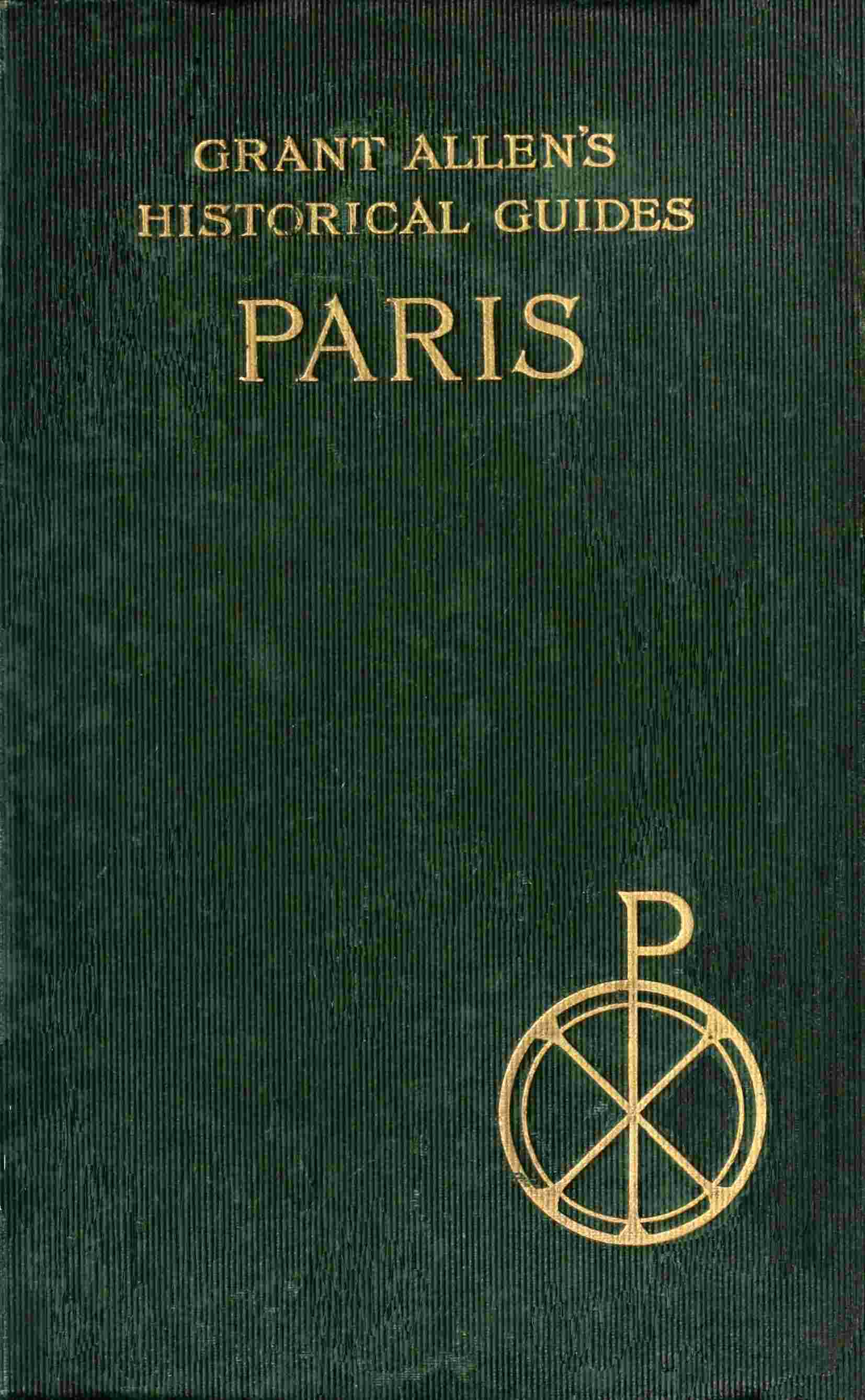
Parisgrant Allen's Historical Guides
1901

Parisgrant Allen's Historical Guides
1901
A historical guidebook written in the late 19th century. This work is part of Grant Allen's series on historical towns and aims to provide tourists, especially those with a deep desire for cultural enrichment, with historical and antiquarian insights rather than practical travel information. The book is focused on the city's rich architectural heritage and the significance of its monuments. The opening portion of ''Paris'' lays out the author’s intentions for the guide, explaining that it differs from traditional tourist guides by emphasizing the historical context and cultural significance of the city's landmarks. Allen aims to explore why Paris developed in its particular location and how its history shaped its artistic achievements, such as its churches and palaces. At the start, he reflects on the origins of Paris and introduces the Île de la Cité, the heart of historical Paris, detailing its transformation from a small Roman settlement into a significant medieval city. He discusses important figures like St. Denis and Ste. Geneviève, whose legacies are intertwined with the city's identity and religious architecture.
Editions

X-Ray
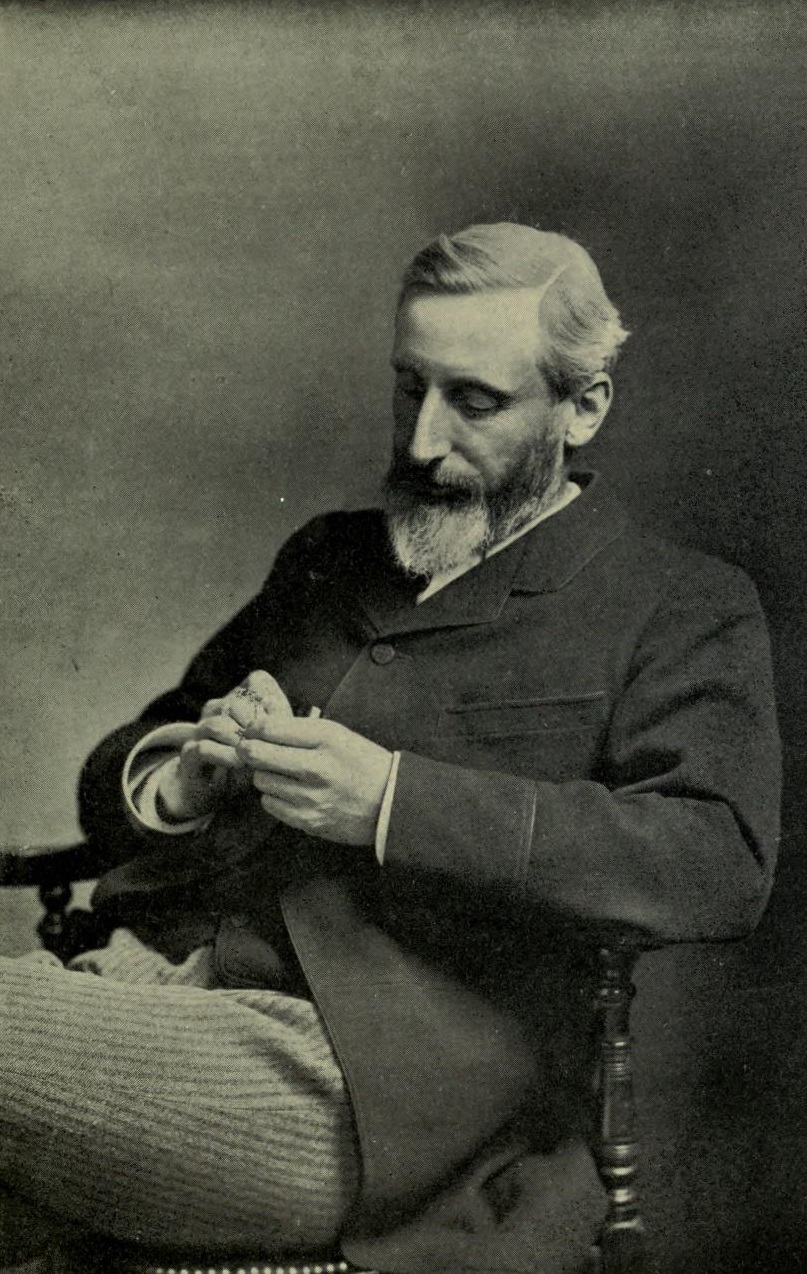
The author and guide who serves as the narrator throughout the work. He presents himself as an experienced traveler with thirty-five years of foreign travel, offering historical and antiquarian information to help tourists understand European art and architecture.
The implied audience for whom Allen writes, particularly Americans who come to Europe with a desire to learn from the Old World. They are characterized as earnest seekers of cultural knowledge.
About Parisgrant Allen's Historical Guides
Chapter Summaries
- Introduction
- Allen explains his purpose in creating these guides: to provide historical and antiquarian information that enables tourists to understand and enjoy European art and architecture. He distinguishes his approach from practical travel guides, focusing instead on cultural education.
- Origins of Paris
- Allen traces Paris from its Celtic origins as Lutetia through Roman conquest to its emergence as the capital of France. He introduces the two patron saints, St. Denis and Ste. Geneviève, whose stories are essential to understanding Parisian art and architecture.
- I
- The oldest part of Paris is explored, focusing on the Palais de Justice and Sainte Chapelle, then Notre-Dame Cathedral. Allen provides detailed architectural and historical analysis of these medieval monuments.
Key Themes
- Cultural Education and Understanding
- Allen emphasizes the importance of understanding the historical and religious context behind art and architecture to truly appreciate their beauty and significance.
- The Evolution of Art and Architecture
- The work traces the development from medieval Gothic styles through the Renaissance, showing how artistic movements build upon and transform previous traditions.
- Religious Symbolism in Art
- Allen extensively explains Christian iconography and the stories of saints, arguing that religious symbolism is the 'native language' of early art.
Characters
- Grant Allen(protagonist)
- The author and guide who serves as the narrator throughout the work. He presents himself as an experienced traveler with thirty-five years of foreign travel, offering historical and antiquarian information to help tourists understand European art and architecture.
- The Reader/Tourist(protagonist)
- The implied audience for whom Allen writes, particularly Americans who come to Europe with a desire to learn from the Old World. They are characterized as earnest seekers of cultural knowledge.
Link to this book
Add a free, dofollow link to Lex on your blog, forum, syllabus, or reading list.

<a href="https://lex-books.com/book/parisgrant-allen-s-historical-guides-2ebcdf11-32de-4a98-9463-43f99604856d"><img src="https://lex-books.com/badges/read-on-lex.svg" alt="Read Parisgrant Allen's Historical Guides by Grant Allen free on Lex" width="160" height="40"></a>[](https://lex-books.com/book/parisgrant-allen-s-historical-guides-2ebcdf11-32de-4a98-9463-43f99604856d)[url=https://lex-books.com/book/parisgrant-allen-s-historical-guides-2ebcdf11-32de-4a98-9463-43f99604856d][img]https://lex-books.com/badges/read-on-lex.svg[/img][/url]Read Parisgrant Allen's Historical Guides by Grant Allen free on Lex: https://lex-books.com/book/parisgrant-allen-s-historical-guides-2ebcdf11-32de-4a98-9463-43f99604856dCite this book
Reading this edition for a paper or guide? Copy a citation.
Allen, Grant. Parisgrant Allen's Historical Guides. Lex, lex-books.com/book/parisgrant-allen-s-historical-guides-2ebcdf11-32de-4a98-9463-43f99604856d.Allen, G. (1901). Parisgrant Allen's Historical Guides. Lex. https://lex-books.com/book/parisgrant-allen-s-historical-guides-2ebcdf11-32de-4a98-9463-43f99604856dAllen, Grant. Parisgrant Allen's Historical Guides. Lex. https://lex-books.com/book/parisgrant-allen-s-historical-guides-2ebcdf11-32de-4a98-9463-43f99604856d.