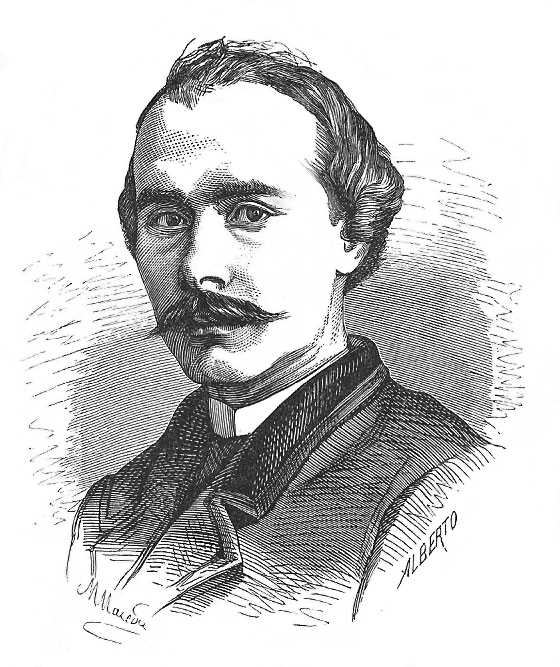
Novo Dicionário Da Língua Portuguesa
1899
Published in 1899, this landmark dictionary represented a bold attempt to capture Portuguese in all its vitality. Cândido de Figueiredo had seen too many earlier works collapse under their own timidity, omitting the very words Portuguese speakers actually used. He set out to build something different: a lexicon that welcomed scientific terms alongside folk expressions, that acknowledged regional variety without sacrificing unity, that treated the living language as worthy of serious scholarship. The preface reads as a manifesto's sharp critique of dictionaries that preferred artificial purity to honest comprehensiveness. For historians of language, this volume offers a window into Portuguese at the cusp of modernity, documenting vocabulary that would soon shift or vanish entirely. For anyone curious about how dictionaries are never neutral, this one wears its biases proudly. It was an act of linguistic democratization, arguing that the people's Portuguese deserved a place alongside the scholars'. More than a reference work, it stands as a record of what Portuguese meant to the people who spoke it at the century's end.
Editions
Link to this book
Add a free, dofollow link to Lex on your blog, forum, syllabus, or reading list.

<a href="https://lex-books.com/book/novo-dicion-rio-da-l-ngua-portuguesa-13266328-6c83-41f2-acb1-789d04010450"><img src="https://lex-books.com/badges/read-on-lex.svg" alt="Read Novo Dicionário Da Língua Portuguesa by Cândido de Figueiredo free on Lex" width="160" height="40"></a>[](https://lex-books.com/book/novo-dicion-rio-da-l-ngua-portuguesa-13266328-6c83-41f2-acb1-789d04010450)[url=https://lex-books.com/book/novo-dicion-rio-da-l-ngua-portuguesa-13266328-6c83-41f2-acb1-789d04010450][img]https://lex-books.com/badges/read-on-lex.svg[/img][/url]Read Novo Dicionário Da Língua Portuguesa by Cândido de Figueiredo free on Lex: https://lex-books.com/book/novo-dicion-rio-da-l-ngua-portuguesa-13266328-6c83-41f2-acb1-789d04010450Cite this book
Reading this edition for a paper or guide? Copy a citation.
Figueiredo, Cândido de. Novo Dicionário Da Língua Portuguesa. Lex, lex-books.com/book/novo-dicion-rio-da-l-ngua-portuguesa-13266328-6c83-41f2-acb1-789d04010450.Figueiredo, C. D. (1899). Novo Dicionário Da Língua Portuguesa. Lex. https://lex-books.com/book/novo-dicion-rio-da-l-ngua-portuguesa-13266328-6c83-41f2-acb1-789d04010450Figueiredo, Cândido de. Novo Dicionário Da Língua Portuguesa. Lex. https://lex-books.com/book/novo-dicion-rio-da-l-ngua-portuguesa-13266328-6c83-41f2-acb1-789d04010450.