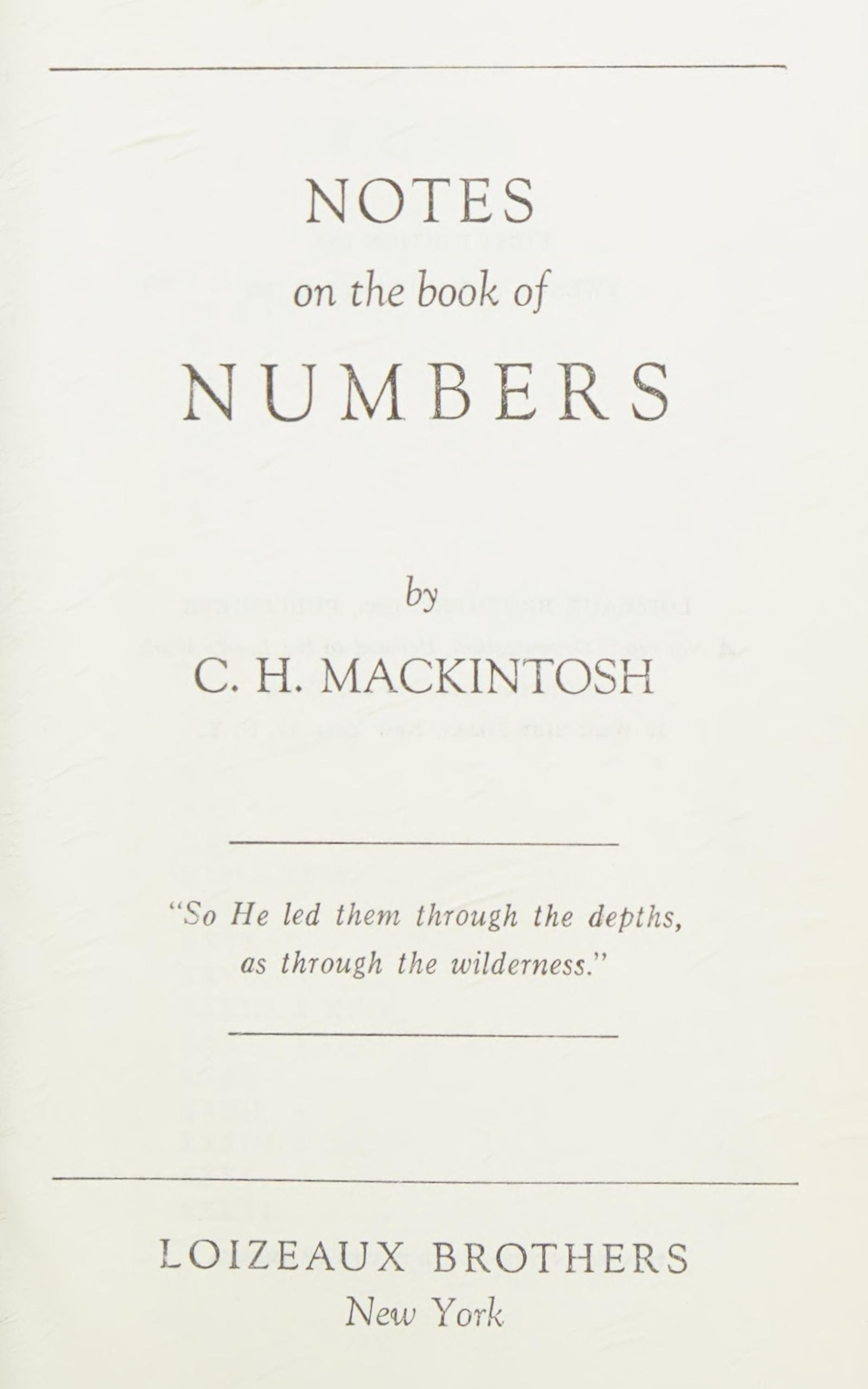
Notes on the Book of Exodus
1858
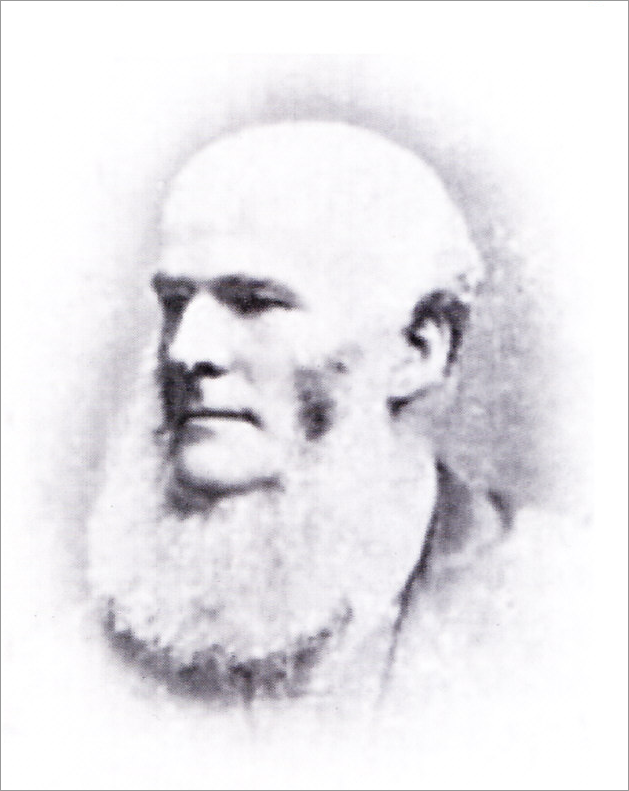
In the darkness of 1858, Charles Henry Mackintosh sat down to unfold one of the Bible's most dramatic narratives. The Book of Exodus tells of an enslaved people, a defiant Pharaoh, and a God who descends in fire and cloud to set them free. But Mackintosh sees something more: he sees Christ. In every plague, in the blood-smeared doorposts, in the pillar of fire that leads by night, he reads the shadow of the Redeemer to come. This is not a dry verse-by-verse academic exercise. It is a devotional meditation written by a man who believed the Old Testament is a letter from God to His Church, full of type and shadow and deep spiritual mystery. The central plea of this work is simple and radical: redemption comes through blood, not effort. The Passover lamb points forward to Calvary. The crossing of the Red Sea prefigures baptism into Christ. Mackintosh urges his readers to see not merely history, but their own salvation written in the journeys of ancient Israel. For those who love Victorian evangelical literature, for those who find the Old Testament as spiritually vital as the New, these notes offer a window into how a 19th-century saint read Scripture: with reverence, with longing, and with the conviction that God is still in the business of delivering His people.
Editions
Link to this book
Add a free, dofollow link to Lex on your blog, forum, syllabus, or reading list.

<a href="https://lex-books.com/book/notes-on-the-book-of-exodus-662e85c5-fdb3-4639-ba11-6e73d39ad9d1"><img src="https://lex-books.com/badges/read-on-lex.svg" alt="Read Notes on the Book of Exodus by Charles Henry Mackintosh free on Lex" width="160" height="40"></a>[](https://lex-books.com/book/notes-on-the-book-of-exodus-662e85c5-fdb3-4639-ba11-6e73d39ad9d1)[url=https://lex-books.com/book/notes-on-the-book-of-exodus-662e85c5-fdb3-4639-ba11-6e73d39ad9d1][img]https://lex-books.com/badges/read-on-lex.svg[/img][/url]Read Notes on the Book of Exodus by Charles Henry Mackintosh free on Lex: https://lex-books.com/book/notes-on-the-book-of-exodus-662e85c5-fdb3-4639-ba11-6e73d39ad9d1Cite this book
Reading this edition for a paper or guide? Copy a citation.
Mackintosh, Charles Henry. Notes on the Book of Exodus. Lex, lex-books.com/book/notes-on-the-book-of-exodus-662e85c5-fdb3-4639-ba11-6e73d39ad9d1.Mackintosh, C. H. (1858). Notes on the Book of Exodus. Lex. https://lex-books.com/book/notes-on-the-book-of-exodus-662e85c5-fdb3-4639-ba11-6e73d39ad9d1Mackintosh, Charles Henry. Notes on the Book of Exodus. Lex. https://lex-books.com/book/notes-on-the-book-of-exodus-662e85c5-fdb3-4639-ba11-6e73d39ad9d1.