My Life and Work

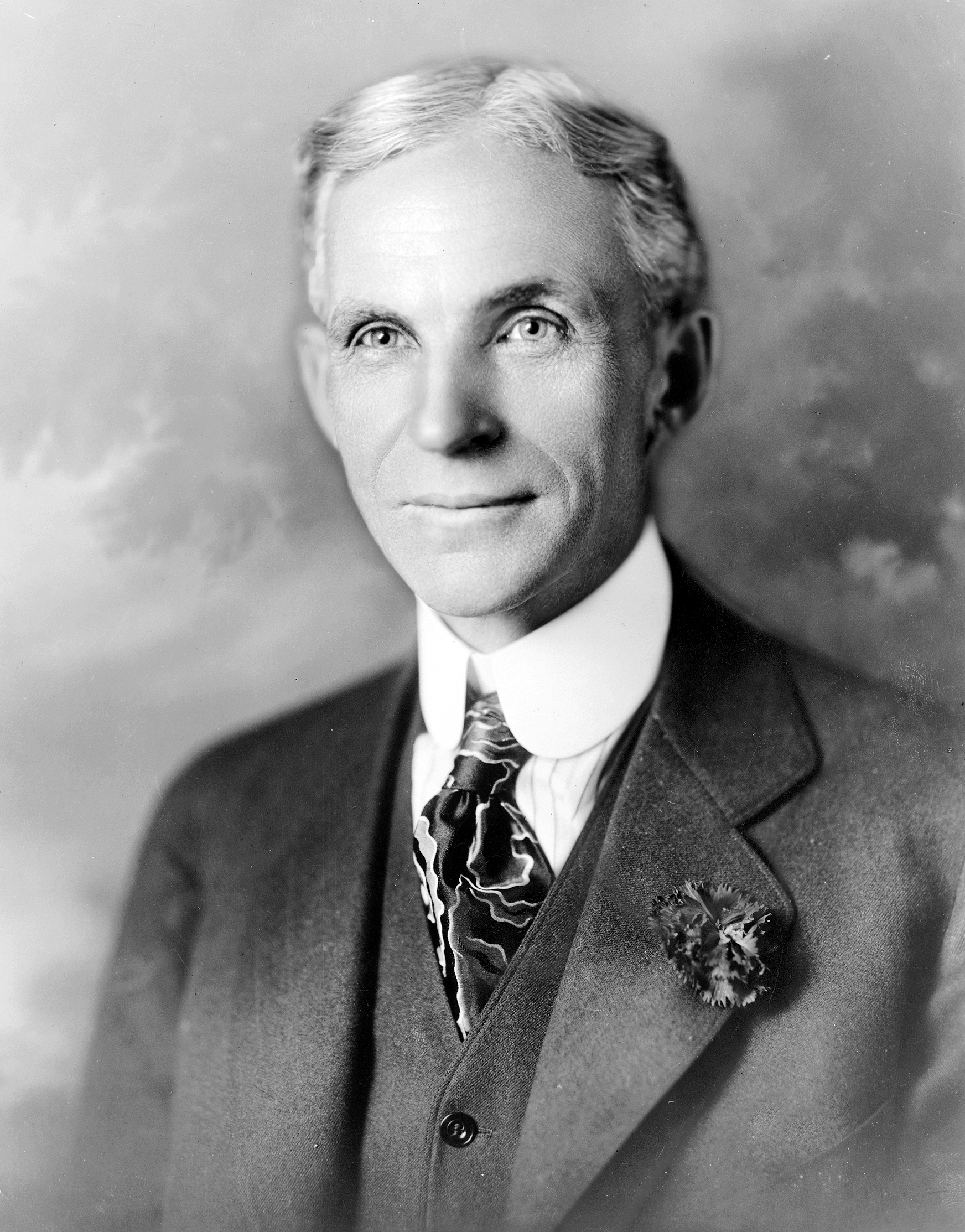
Henry Ford's 1922 manifesto reads less like a corporate memoir and more like a radical polemic against the financial establishment. Here is the man who industrialized the automobile, who doubled worker wages to five dollars a day, who made mobility affordable for millions and changed the material fabric of modern life, explaining why he believes service to humanity matters more than profit. Ford's philosophy is unsettlingly anti-modern: he distrusts finance, dismisses the complexity of banking systems, and argues that genuine value comes only from making things people can actually use. His account of building the Model T assembly line reads like a blueprint for disrupting an industry, but his broader musings on labor, international trade, and the lending system reveal a man deeply suspicious of systems he couldn't directly control. The book stands as a fascinating artifact of industrial ambition and the contradictions of American genius. It will appeal to anyone curious about the origins of modern business philosophy, the roots of American manufacturing, and the minds that built the 20th century even as they wrestled with its discontents.
Editions

Link to this book
Add a free, dofollow link to Lex on your blog, forum, syllabus, or reading list.

<a href="https://lex-books.com/book/my-life-and-work-07b17f2a-1a1b-4f9b-80fd-2d9912ffbcc4"><img src="https://lex-books.com/badges/read-on-lex.svg" alt="Read My Life and Work by Henry Ford free on Lex" width="160" height="40"></a>[](https://lex-books.com/book/my-life-and-work-07b17f2a-1a1b-4f9b-80fd-2d9912ffbcc4)[url=https://lex-books.com/book/my-life-and-work-07b17f2a-1a1b-4f9b-80fd-2d9912ffbcc4][img]https://lex-books.com/badges/read-on-lex.svg[/img][/url]Read My Life and Work by Henry Ford free on Lex: https://lex-books.com/book/my-life-and-work-07b17f2a-1a1b-4f9b-80fd-2d9912ffbcc4Cite this book
Reading this edition for a paper or guide? Copy a citation.
Ford, Henry. My Life and Work. Lex, lex-books.com/book/my-life-and-work-07b17f2a-1a1b-4f9b-80fd-2d9912ffbcc4.Ford, H. (n.d.). My Life and Work. Lex. https://lex-books.com/book/my-life-and-work-07b17f2a-1a1b-4f9b-80fd-2d9912ffbcc4Ford, Henry. My Life and Work. Lex. https://lex-books.com/book/my-life-and-work-07b17f2a-1a1b-4f9b-80fd-2d9912ffbcc4.