Memoirs of William Wordsworth
1852
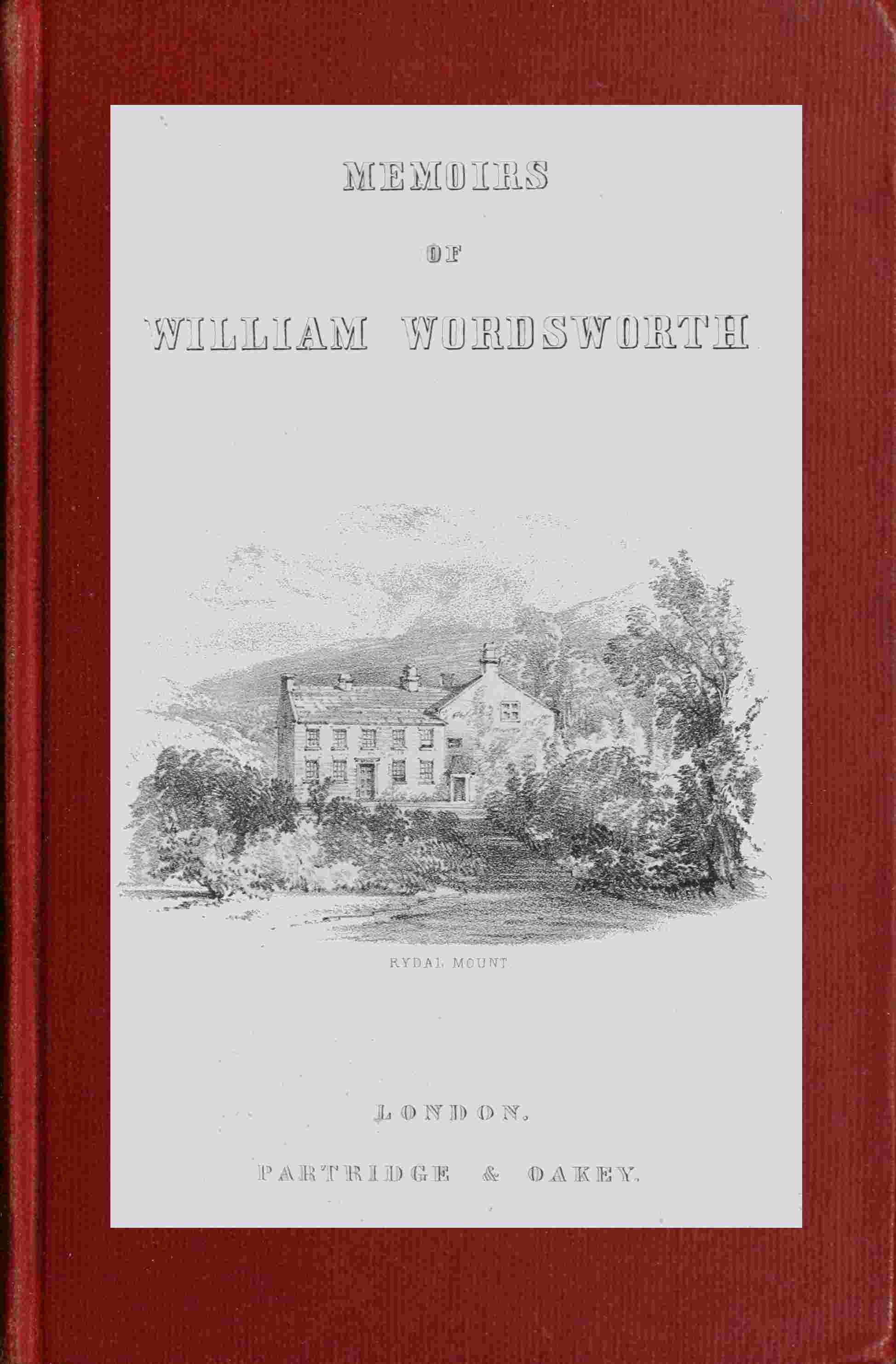
Wordsworth was not merely a poet. He was a revolution in sensibility, a man who looked at a daffodil or a cloud and saw something that cracked the world open. George S. Phillips, writing just two years after Wordsworth's death, gives us something no later biography can: the immediacy of a life still living in cultural memory, an account written when the dust of the Romantic upheaval had barely settled. This memoir traces the arc of a radical artist: the boy wandering the fells of Westmoreland, the young radical in France, the exile who returned to find his voice in the "spacious valleys" of the Lake District. Phillips is particularly keen on what made Wordsworth new: his insistence that the humblest life, the most ordinary emotion, was worthy of verse. Here is the poet who elevated a leech-gatherer or a child to the status of the heroic. For anyone who has ever wondered where modern poetry began, or why the Romantics still matter, this memoir offers a window into the mind that changed English literature forever.
Editions
Link to this book
Add a free, dofollow link to Lex on your blog, forum, syllabus, or reading list.

<a href="https://lex-books.com/book/memoirs-of-william-wordsworth-a0b35b6c-cbfc-42cd-878a-fcf7d5b3b8fb"><img src="https://lex-books.com/badges/read-on-lex.svg" alt="Read Memoirs of William Wordsworth by George S. Phillips free on Lex" width="160" height="40"></a>[](https://lex-books.com/book/memoirs-of-william-wordsworth-a0b35b6c-cbfc-42cd-878a-fcf7d5b3b8fb)[url=https://lex-books.com/book/memoirs-of-william-wordsworth-a0b35b6c-cbfc-42cd-878a-fcf7d5b3b8fb][img]https://lex-books.com/badges/read-on-lex.svg[/img][/url]Read Memoirs of William Wordsworth by George S. Phillips free on Lex: https://lex-books.com/book/memoirs-of-william-wordsworth-a0b35b6c-cbfc-42cd-878a-fcf7d5b3b8fbCite this book
Reading this edition for a paper or guide? Copy a citation.
Phillips, George S.. Memoirs of William Wordsworth. Lex, lex-books.com/book/memoirs-of-william-wordsworth-a0b35b6c-cbfc-42cd-878a-fcf7d5b3b8fb.Phillips, G. S. (1852). Memoirs of William Wordsworth. Lex. https://lex-books.com/book/memoirs-of-william-wordsworth-a0b35b6c-cbfc-42cd-878a-fcf7d5b3b8fbPhillips, George S.. Memoirs of William Wordsworth. Lex. https://lex-books.com/book/memoirs-of-william-wordsworth-a0b35b6c-cbfc-42cd-878a-fcf7d5b3b8fb.