Mcguffey's Third Eclectic Reader
Mcguffey's Third Eclectic Reader
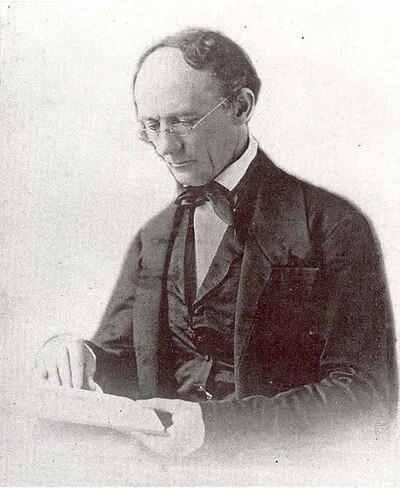
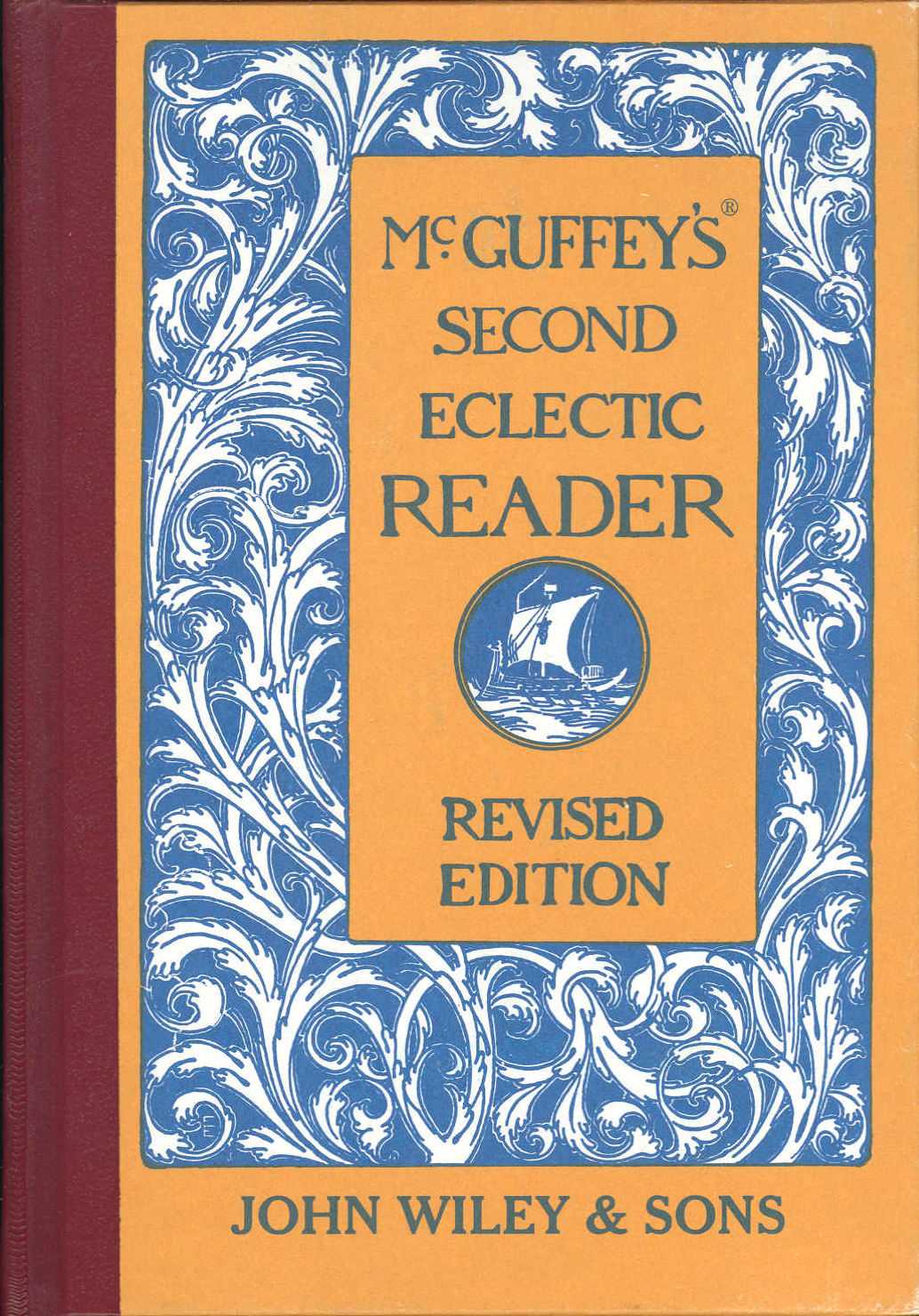
In 1836, a Cincinnati professor named William Holmes McGuffey created a reading textbook that would become the most widely used schoolbook in American history. By the turn of the century, an estimated 122 million copies had been printed, shaping the literacy and morals of generations before television, before movies, before the internet. The Third Eclectic Reader, intended for children moving beyond basic phonics, collects the fables, poems, and moral tales that taught Americans how to read and what to believe. Inside, you'll find "The Boy Who Cried Wolf" and "The Wind and the Sun," stories so timeless they still surface in Pixar films and corporate memos about integrity. But McGuffey offered more than Aesop: lyrical poetry about nature, cautionary tales about laziness and kindness, exercises in elocution that taught children to read aloud with feeling and force. This is a portal to an America that valued moral certainty and believed the stories children learned would become the citizens they would one day become. Parents who read these pages as children now read them to their own kids, creating a chain of literary inheritance stretching back nearly two centuries. For anyone curious about where American culture learned its moral vocabulary, this is where it started.
Editions
Link to this book
Add a free, dofollow link to Lex on your blog, forum, syllabus, or reading list.

<a href="https://lex-books.com/book/mcguffey-s-third-eclectic-reader-5e2405b4-351f-4172-b82a-2137e749c23f"><img src="https://lex-books.com/badges/read-on-lex.svg" alt="Read Mcguffey's Third Eclectic Reader by William Holmes McGuffey free on Lex" width="160" height="40"></a>[](https://lex-books.com/book/mcguffey-s-third-eclectic-reader-5e2405b4-351f-4172-b82a-2137e749c23f)[url=https://lex-books.com/book/mcguffey-s-third-eclectic-reader-5e2405b4-351f-4172-b82a-2137e749c23f][img]https://lex-books.com/badges/read-on-lex.svg[/img][/url]Read Mcguffey's Third Eclectic Reader by William Holmes McGuffey free on Lex: https://lex-books.com/book/mcguffey-s-third-eclectic-reader-5e2405b4-351f-4172-b82a-2137e749c23fCite this book
Reading this edition for a paper or guide? Copy a citation.
McGuffey, William Holmes. Mcguffey's Third Eclectic Reader. Lex, lex-books.com/book/mcguffey-s-third-eclectic-reader-5e2405b4-351f-4172-b82a-2137e749c23f.McGuffey, W. H. (n.d.). Mcguffey's Third Eclectic Reader. Lex. https://lex-books.com/book/mcguffey-s-third-eclectic-reader-5e2405b4-351f-4172-b82a-2137e749c23fMcGuffey, William Holmes. Mcguffey's Third Eclectic Reader. Lex. https://lex-books.com/book/mcguffey-s-third-eclectic-reader-5e2405b4-351f-4172-b82a-2137e749c23f.