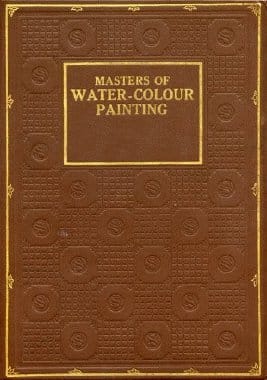
Watercolor was once dismissed as a sketching medium, too delicate for "real" art. This 1923 volume traces how British artists proved otherwise, transforming watery pigment into something capable of breathtaking grandeur. H. M. Cundall serves as an enthusiastic guide through the medium's evolution from ancient manuscript traditions to its glorious flowering in the hands of pioneers like Paul Sandby, Thomas Girtin, and a young J. M. W. Turner. The book illuminates not just techniques but the fierce debates of the era: why did the Royal Academy snub watercolor for decades? How did a group of iconoclasts insisting that light and atmosphere mattered more than academic rigor reshape British art? Rich anecdotes bring these figures to life, including Turner's famous refusal to exhibit his watercolors and Girtin's tragic early death at just twenty-seven. The color plates scattered throughout serve as proof of the medium's power. Nearly a century old, this remains a passionate defence of watercolor's unique capacity to capture fleeting light and mood.