London Labour and the London Poor Volume I
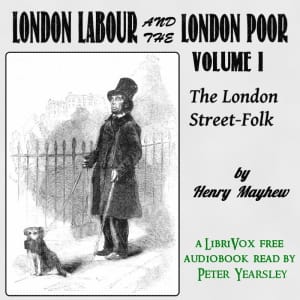
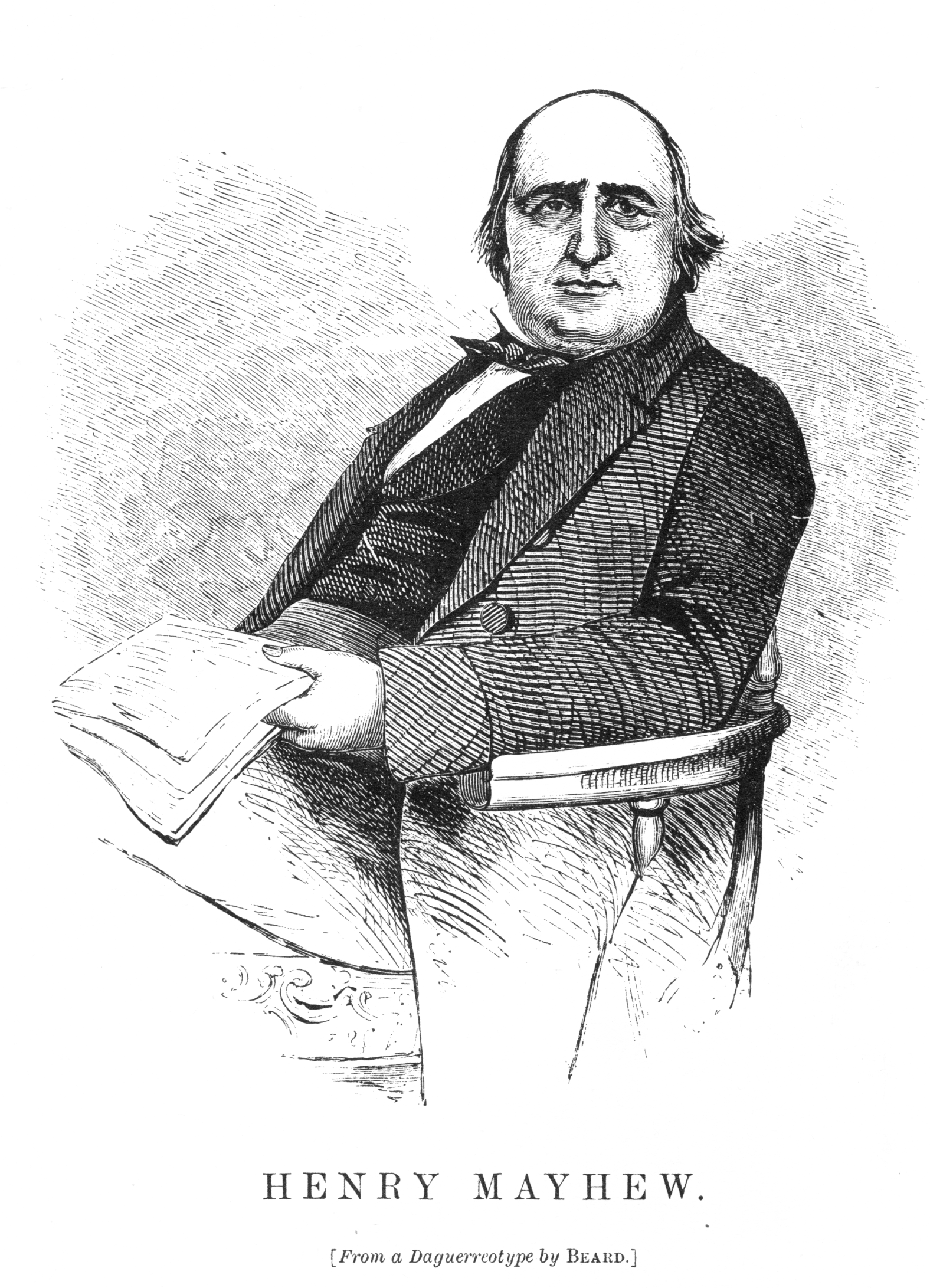
In 1851, Henry Mayhew did something extraordinary: he walked the streets of London and let the poor speak for themselves. The result is a book that reads less like a Victorian treatise and more like a series of confessions, confessions from costermongers and street-sellers, from seamstresses and chimney sweeps, from the unemployed and the underemployed. Mayhew transcribed their words with minimal interference, preserving their dialects, their dignity, and their desperation in equal measure. This first volume (of a projected four) establishes his method: rigorous personal observation combined with extensive interviews, creating a portrait of working-class London that has no equal in nineteenth-century literature. What emerges is a city of startling variety and hidden complexity. Mayhew catalogs hundreds of occupations, from the luciferseller to the mudlark, from the crossing-sweeper to the wholesale tripe-dresser. He calculates earnings, describes living conditions, and traces the invisible economics that kept London's poorest barely alive. But this is not merely data. It is filled with human moments: a woman's pride in her flower basket, a man's shame at his inability to feed his family, children's matter-of-fact descriptions of their daily struggles. Mayhew's sympathies are clearly with his subjects, and he does not shy away from documenting the casual cruelties of poverty. This book is for readers who want to understand how the Victorians actually lived, not the foggy caricature of top-hatted gentlemen and starving orphans, but the messy, inventive, often heartbreaking reality of getting by in the greatest city in the world.
Editions

Link to this book
Add a free, dofollow link to Lex on your blog, forum, syllabus, or reading list.

<a href="https://lex-books.com/book/london-labour-and-the-london-poor-volume-i-275c839f-fb0e-40ce-9a0a-89fecd12e688"><img src="https://lex-books.com/badges/read-on-lex.svg" alt="Read London Labour and the London Poor Volume I by Henry Mayhew free on Lex" width="160" height="40"></a>[](https://lex-books.com/book/london-labour-and-the-london-poor-volume-i-275c839f-fb0e-40ce-9a0a-89fecd12e688)[url=https://lex-books.com/book/london-labour-and-the-london-poor-volume-i-275c839f-fb0e-40ce-9a0a-89fecd12e688][img]https://lex-books.com/badges/read-on-lex.svg[/img][/url]Read London Labour and the London Poor Volume I by Henry Mayhew free on Lex: https://lex-books.com/book/london-labour-and-the-london-poor-volume-i-275c839f-fb0e-40ce-9a0a-89fecd12e688Cite this book
Reading this edition for a paper or guide? Copy a citation.
Mayhew, Henry. London Labour and the London Poor Volume I. Lex, lex-books.com/book/london-labour-and-the-london-poor-volume-i-275c839f-fb0e-40ce-9a0a-89fecd12e688.Mayhew, H. (n.d.). London Labour and the London Poor Volume I. Lex. https://lex-books.com/book/london-labour-and-the-london-poor-volume-i-275c839f-fb0e-40ce-9a0a-89fecd12e688Mayhew, Henry. London Labour and the London Poor Volume I. Lex. https://lex-books.com/book/london-labour-and-the-london-poor-volume-i-275c839f-fb0e-40ce-9a0a-89fecd12e688.