Leven van Maurits Lijnslager deel 4
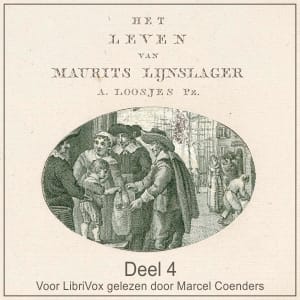
This fourth and final installment concludes the story of Maurits Lijnslager, Adriaan Loosjes' imagined portrait of the ideal Dutchman from the Dutch Golden Age. Written in the early nineteenth century during France's occupation of the Netherlands, the novel functions as quiet resistance: a literary act of cultural reclamation that invokes 17th-century Dutch virtues to nourish 19th-century national pride. Maurits walks his final path with dignity, moving toward death as the natural conclusion of a life lived in accordance with Dutch civic virtues - industry, probity, and stubborn independence. The work pulses with a particular tension: it looks backward to a imagined golden age while responding to immediate political circumstances, asking what it means to be Dutch when the nation itself lies under foreign rule. For modern readers, the novel offers an unexpected mirror. Where the text once asked what makes the ideal Dutchman, today we might ask what makes the ideal world citizen. The novel endures because these questions - about identity, tradition, and what we owe to the past - never stop being urgent.
Editions

Link to this book
Add a free, dofollow link to Lex on your blog, forum, syllabus, or reading list.

<a href="https://lex-books.com/book/leven-van-maurits-lijnslager-deel-4-6b77a103-14d6-42cb-bc5a-8e6f04fb278d"><img src="https://lex-books.com/badges/read-on-lex.svg" alt="Read Leven van Maurits Lijnslager deel 4 by Adriaan Loosjes Pzn free on Lex" width="160" height="40"></a>[](https://lex-books.com/book/leven-van-maurits-lijnslager-deel-4-6b77a103-14d6-42cb-bc5a-8e6f04fb278d)[url=https://lex-books.com/book/leven-van-maurits-lijnslager-deel-4-6b77a103-14d6-42cb-bc5a-8e6f04fb278d][img]https://lex-books.com/badges/read-on-lex.svg[/img][/url]Read Leven van Maurits Lijnslager deel 4 by Adriaan Loosjes Pzn free on Lex: https://lex-books.com/book/leven-van-maurits-lijnslager-deel-4-6b77a103-14d6-42cb-bc5a-8e6f04fb278dCite this book
Reading this edition for a paper or guide? Copy a citation.
Pzn, Adriaan Loosjes. Leven van Maurits Lijnslager deel 4. Lex, lex-books.com/book/leven-van-maurits-lijnslager-deel-4-6b77a103-14d6-42cb-bc5a-8e6f04fb278d.Pzn, A. L. (n.d.). Leven van Maurits Lijnslager deel 4. Lex. https://lex-books.com/book/leven-van-maurits-lijnslager-deel-4-6b77a103-14d6-42cb-bc5a-8e6f04fb278dPzn, Adriaan Loosjes. Leven van Maurits Lijnslager deel 4. Lex. https://lex-books.com/book/leven-van-maurits-lijnslager-deel-4-6b77a103-14d6-42cb-bc5a-8e6f04fb278d.