Lectures on the French Revolution
Lectures on the French Revolution
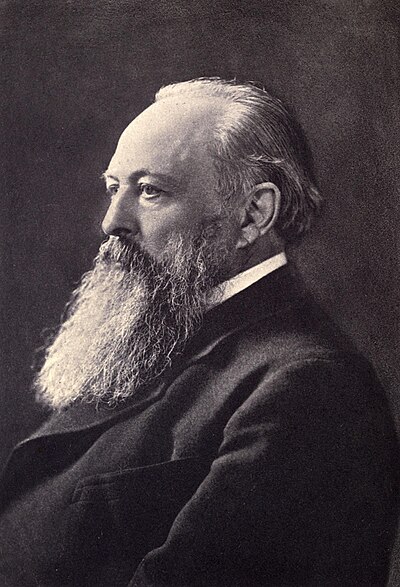
John Emerich Edward Dalberg Acton, Baron Acton
Lord Acton, the Victorian historian whose warning about power and corruption remains seminal, delivered these lectures in the late nineteenth century. Here he brings his formidable intellect to the most consequential upheaval in modern European history: the French Revolution. Rather than a narrative of events, Acton offers a rigorous examination of the ideas that made the Revolution possible and the philosophical currents that shaped its violent course. He traces how the inadequacies of the French monarchy, the grievances of the Third Estate, and the revolutionary ferment of Enlightenment thought combined to dismantle the old order. Acton demonstrates that the Revolution was no impulsive outburst but the culmination of long-standing grievances and ideologies that sought to redefine governance in France. This is intellectual history at its most discerning: a meditation on how ideas become weapons, and how the pursuit of liberty can curdle into the very tyranny it sought to escape. For students of history and political philosophy, it remains an essential meditation on the origins of modern government and the dangers that attend its birth.
Editions
X-Ray
“No philosophy is cheaper or more vulgar than that which traces all history to diversities of ethnological type and blend, and is ever presenting the venal Greek, the perfidious Sicilian, the proud and indolent Spaniard, the economical Swiss, the vain and vivacious Frenchman.””
— John Emerich Edward Dalberg Acton, Baron Acton
“Yet this third-rate and mediocre action is counted, with Waterloo and Gettysburg, among the decisive battles of history; and Goethe was not the only man there who knew that the scene before him was the beginning of a new epoch for mankind. With 36,000 men and 40 guns the French had arrested the advance of Europe, not by skilful tactics or the touch of steel, but by the moral effect of their solidity when they met the best of existing armies. The nation discovered that the Continent was at its mercy, and the war begun for the salvation of monarchy became a war for the expansion of the Republic. It was founded at Paris, and consolidated at Valmy. Yet no military event was less decisive. The French stood their ground because nobody attacked them, and they were not attacked because they stood their ground. The Prussians suffered a strategic, though not a tactical defeat. By retiring to their encampment they renounced the purposes for which they went to war, the province they occupied, and the prestige of Frederic.””
— John Emerich Edward Dalberg Acton, Baron Acton
“Do not open your minds to the filtering of the fallacious doctrine that it is less infamous to murder men for their politics than for their religion or their money, or that the courage to execute the deed is worse than the cowardice to excuse it. Let us not flinch from condemning without respite or remission, not only Marat and Carrier, but also Barnave. Because there may be hanging matter in the lives of illustrious men, of William the Silent and Farnese, of Cromwell and Napoleon, we are not to be turned from justice towards the actions, and still more the thoughts, of those whom we are about to study.””
— John Emerich Edward Dalberg Acton, Baron Acton
“The theory of the relations between states and churches is bound up with the theory of Toleratio, and on that suject the eighteenth century scarcely rose above an intermittend, embarrassed, and unscientific view. For religious liberty is composed of the properties both of religion and of liberty, and one of its factors never became an object of disinterested observation among actual leaders of opinion. They preferred the argument of doubt to the argument of certitude, and sought to defeat intolerance by casting out revelation as they had defeated the persecution of witches by casting out the devil. There remained a flaw in their liberalism, for liberty apart from belief is liberty with a good deal of the substance taken out of it. The problem is less complicated and the solution less radical and less profound.””
— John Emerich Edward Dalberg Acton, Baron Acton
Link to this book
Add a free, dofollow link to Lex on your blog, forum, syllabus, or reading list.

<a href="https://lex-books.com/book/lectures-on-the-french-revolution-643536b0-aa6e-431c-9b62-0b0429432d2d"><img src="https://lex-books.com/badges/read-on-lex.svg" alt="Read Lectures on the French Revolution by John Emerich Edward Dalberg Acton, Baron Acton free on Lex" width="160" height="40"></a>[](https://lex-books.com/book/lectures-on-the-french-revolution-643536b0-aa6e-431c-9b62-0b0429432d2d)[url=https://lex-books.com/book/lectures-on-the-french-revolution-643536b0-aa6e-431c-9b62-0b0429432d2d][img]https://lex-books.com/badges/read-on-lex.svg[/img][/url]Read Lectures on the French Revolution by John Emerich Edward Dalberg Acton, Baron Acton free on Lex: https://lex-books.com/book/lectures-on-the-french-revolution-643536b0-aa6e-431c-9b62-0b0429432d2dCite this book
Reading this edition for a paper or guide? Copy a citation.
John Emerich Edward Dalberg Acton, Baron Acton. Lectures on the French Revolution. Lex, lex-books.com/book/lectures-on-the-french-revolution-643536b0-aa6e-431c-9b62-0b0429432d2d.John Emerich Edward Dalberg Acton, B. A. (n.d.). Lectures on the French Revolution. Lex. https://lex-books.com/book/lectures-on-the-french-revolution-643536b0-aa6e-431c-9b62-0b0429432d2dJohn Emerich Edward Dalberg Acton, Baron Acton. Lectures on the French Revolution. Lex. https://lex-books.com/book/lectures-on-the-french-revolution-643536b0-aa6e-431c-9b62-0b0429432d2d.