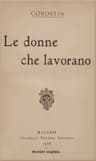
Le Donne Che Lavorano
1916
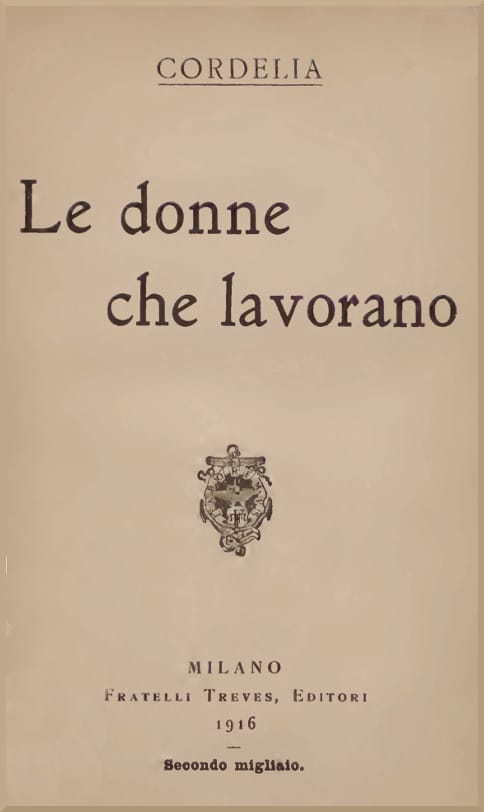
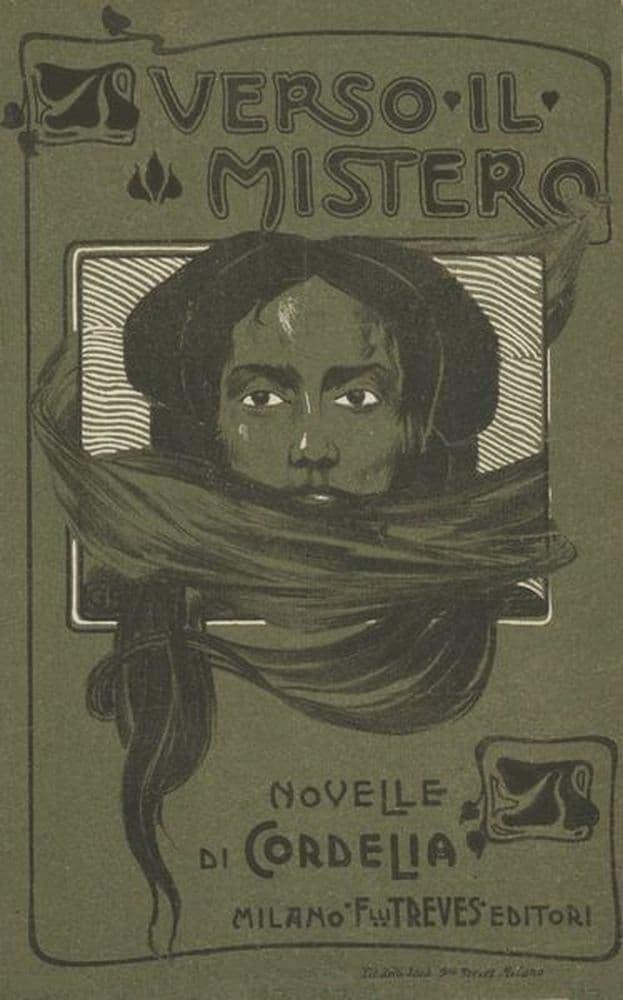
In 1916, as World War I reshaped European society, Virginia Treves published this impassioned plea for women's right to work beyond the home. Writing under the pseudonym Cordelia, the Italian feminist addressed a nation at war, where women were already proving their economic necessity yet still denied full recognition. Treves dismantles the notion that women's place is solely in domesticity, arguing instead that labor, whether in factories, offices, or professions, is essential to women's dignity and to society's health. The book speaks to two distinct audiences: working-class women grinding through harsh industrial conditions and bourgeois women trapped by societal expectations that dismissed their intellectual capabilities. Treves demands both groups be granted genuine economic freedom and the opportunity to contribute meaningfully beyond the household. This is a document of its moment, 1916 Italy, women entering the workforce in unprecedented numbers, yet its argument about self-determination and economic independence resonates far beyond that historical instant. For readers interested in early feminist thought, Italian intellectual history, or how women writers articulated demands for change during times of crisis and possibility.
Editions
Link to this book
Add a free, dofollow link to Lex on your blog, forum, syllabus, or reading list.

<a href="https://lex-books.com/book/le-donne-che-lavorano-1c3c427d-cd4b-4ff8-bb94-4c186f862a45"><img src="https://lex-books.com/badges/read-on-lex.svg" alt="Read Le Donne Che Lavorano by Virginia Treves free on Lex" width="160" height="40"></a>[](https://lex-books.com/book/le-donne-che-lavorano-1c3c427d-cd4b-4ff8-bb94-4c186f862a45)[url=https://lex-books.com/book/le-donne-che-lavorano-1c3c427d-cd4b-4ff8-bb94-4c186f862a45][img]https://lex-books.com/badges/read-on-lex.svg[/img][/url]Read Le Donne Che Lavorano by Virginia Treves free on Lex: https://lex-books.com/book/le-donne-che-lavorano-1c3c427d-cd4b-4ff8-bb94-4c186f862a45Cite this book
Reading this edition for a paper or guide? Copy a citation.
Treves, Virginia. Le Donne Che Lavorano. Lex, lex-books.com/book/le-donne-che-lavorano-1c3c427d-cd4b-4ff8-bb94-4c186f862a45.Treves, V. (1916). Le Donne Che Lavorano. Lex. https://lex-books.com/book/le-donne-che-lavorano-1c3c427d-cd4b-4ff8-bb94-4c186f862a45Treves, Virginia. Le Donne Che Lavorano. Lex. https://lex-books.com/book/le-donne-che-lavorano-1c3c427d-cd4b-4ff8-bb94-4c186f862a45.