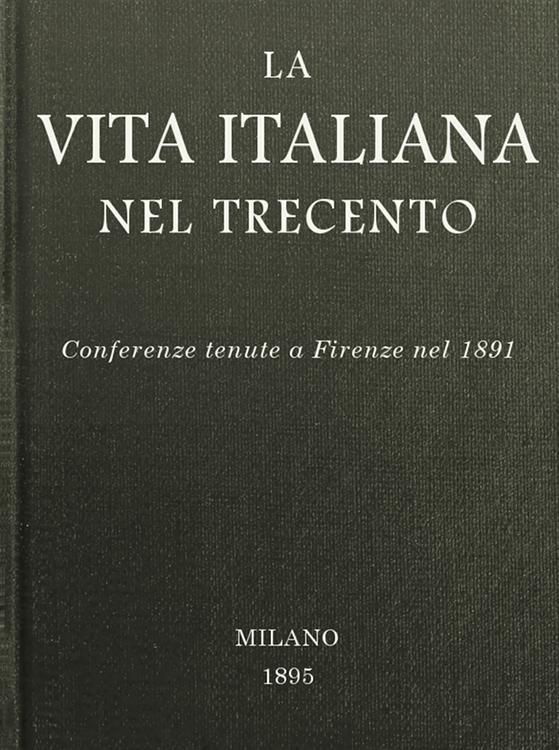
La Vita Italiana Nel Trecento: Conferenze Tenute a Firenze Nel 1891
1892
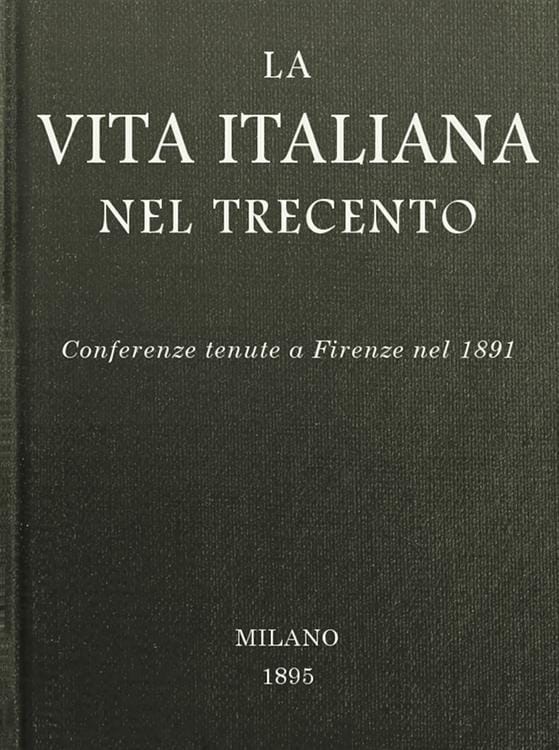
La Vita Italiana Nel Trecento: Conferenze Tenute a Firenze Nel 1891
1892
A collection of historical lectures written in the late 19th century. This work compiles a series of sophisticated discussions on various aspects of Italian life during the 14th century, focusing on literature, politics, and social dynamics of that era. Likely delivered by prominent figures of the time, the lectures aim to illuminate the pivotal transformations in Italian thought and society. The opening of this work sets a vivid scene of the lecture halls in Florence, emphasizing the grandeur of the setting and the high expectations of both speakers and audience. The author reflects on the challenges of presenting complex ideas in such an elegant atmosphere and introduces some key speakers and their topics, establishing an engaging context for the discussions that follow. As the lectures unfold, topics range from the significance of Dante in literature to the political landscape of the time, setting the stage for an in-depth exploration of Italy's cultural revival during the 14th century. The author expresses a deep appreciation for the intellectual exchange in this historical moment, capturing the essence of the era’s literary and artistic achievements.
Editions
X-Ray
A collection of Italian scholars and intellectuals who delivered lectures in Florence in 1891 on Italian life in the 14th century. They include R. Bonfadini, F. Bertolini, A. Franchetti, M. Tabarrini, E. Masi, P. Rajna, I. Del Lungo, E. Nencioni, A. Bartoli, A. Graf, D. Martelli, P. G. Molmenti, and C. Boito.
The cultured Florentine society that attended these lectures, described as an elite gathering with refined taste and judgment.
The supreme Italian poet, central figure of 14th century Italian literature and politics. Presented as exile, lover of Beatrice, and creator of the Divine Comedy.
Dante's beloved, both historical person and spiritual symbol. Represents divine love and theological wisdom in the Divine Comedy.
About La Vita Italiana Nel Trecento: Conferenze Tenute a Firenze Nel 1891
Chapter Summaries
- Introduction
- Introduction to the lecture series held in Florence in 1891, describing the elegant setting and distinguished audience. The author reflects on the challenge of presenting scholarly material to a refined Florentine society.
- 1
- Romualdo Bonfadini examines the factional divisions that plagued Italian cities, particularly the Guelph-Ghibelline conflict, showing how these divisions weakened Italy and prevented national unity.
- 2
- Francesco Bertolini analyzes the role of Rome and the Papacy in 14th century politics, including the Avignon captivity and the decline of papal temporal power.
Key Themes
- Italian Political Fragmentation
- The lectures explore how Italy's division into competing city-states, factions, and foreign-controlled territories prevented national unity and made the peninsula vulnerable to foreign domination.
- The Conflict Between Empire and Papacy
- A central theme examining the centuries-long struggle between secular imperial authority and papal theocracy, which shaped medieval Italian politics and culture.
- The Rise of Vernacular Literature
- The emergence of Italian as a literary language, particularly through Dante's work, representing a cultural awakening and assertion of Italian identity.
Characters
- Various Lecturers(major)
- A collection of Italian scholars and intellectuals who delivered lectures in Florence in 1891 on Italian life in the 14th century. They include R. Bonfadini, F. Bertolini, A. Franchetti, M. Tabarrini, E. Masi, P. Rajna, I. Del Lungo, E. Nencioni, A. Bartoli, A. Graf, D. Martelli, P. G. Molmenti, and C. Boito.
- Florentine Audience(minor)
- The cultured Florentine society that attended these lectures, described as an elite gathering with refined taste and judgment.
- Dante Alighieri(protagonist)
- The supreme Italian poet, central figure of 14th century Italian literature and politics. Presented as exile, lover of Beatrice, and creator of the Divine Comedy.
- Beatrice(major)
- Dante's beloved, both historical person and spiritual symbol. Represents divine love and theological wisdom in the Divine Comedy.
- Frederick II (Hohenstaufen)(major)
- Holy Roman Emperor, called 'stupor mundi' (wonder of the world). Represents the imperial ideal and conflict with the Papacy.
- Manfred(major)
- Natural son of Frederick II, last Hohenstaufen ruler of Sicily. Died at the Battle of Benevento fighting Charles of Anjou.
Link to this book
Add a free, dofollow link to Lex on your blog, forum, syllabus, or reading list.

<a href="https://lex-books.com/book/la-vita-italiana-nel-trecento-conferenze-tenute-a-firenze-nel-1891-6d753691-3fc3-4b4a-87f9-81c76b56ab36"><img src="https://lex-books.com/badges/read-on-lex.svg" alt="Read La Vita Italiana Nel Trecento: Conferenze Tenute a Firenze Nel 1891 by Various free on Lex" width="160" height="40"></a>[](https://lex-books.com/book/la-vita-italiana-nel-trecento-conferenze-tenute-a-firenze-nel-1891-6d753691-3fc3-4b4a-87f9-81c76b56ab36)[url=https://lex-books.com/book/la-vita-italiana-nel-trecento-conferenze-tenute-a-firenze-nel-1891-6d753691-3fc3-4b4a-87f9-81c76b56ab36][img]https://lex-books.com/badges/read-on-lex.svg[/img][/url]Read La Vita Italiana Nel Trecento: Conferenze Tenute a Firenze Nel 1891 by Various free on Lex: https://lex-books.com/book/la-vita-italiana-nel-trecento-conferenze-tenute-a-firenze-nel-1891-6d753691-3fc3-4b4a-87f9-81c76b56ab36Cite this book
Reading this edition for a paper or guide? Copy a citation.
Various. La Vita Italiana Nel Trecento: Conferenze Tenute a Firenze Nel 1891. Lex, lex-books.com/book/la-vita-italiana-nel-trecento-conferenze-tenute-a-firenze-nel-1891-6d753691-3fc3-4b4a-87f9-81c76b56ab36.Various (1892). La Vita Italiana Nel Trecento: Conferenze Tenute a Firenze Nel 1891. Lex. https://lex-books.com/book/la-vita-italiana-nel-trecento-conferenze-tenute-a-firenze-nel-1891-6d753691-3fc3-4b4a-87f9-81c76b56ab36Various. La Vita Italiana Nel Trecento: Conferenze Tenute a Firenze Nel 1891. Lex. https://lex-books.com/book/la-vita-italiana-nel-trecento-conferenze-tenute-a-firenze-nel-1891-6d753691-3fc3-4b4a-87f9-81c76b56ab36.