King Robert the Bruce
1899
King Robert the Bruce
1899
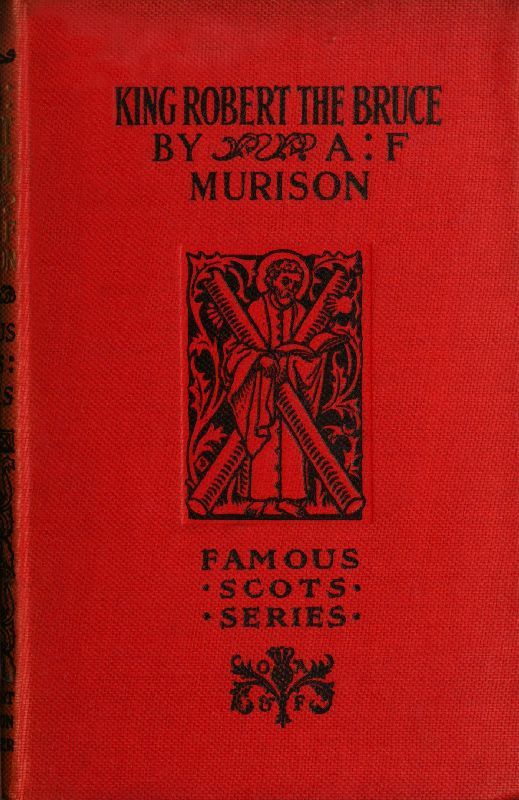
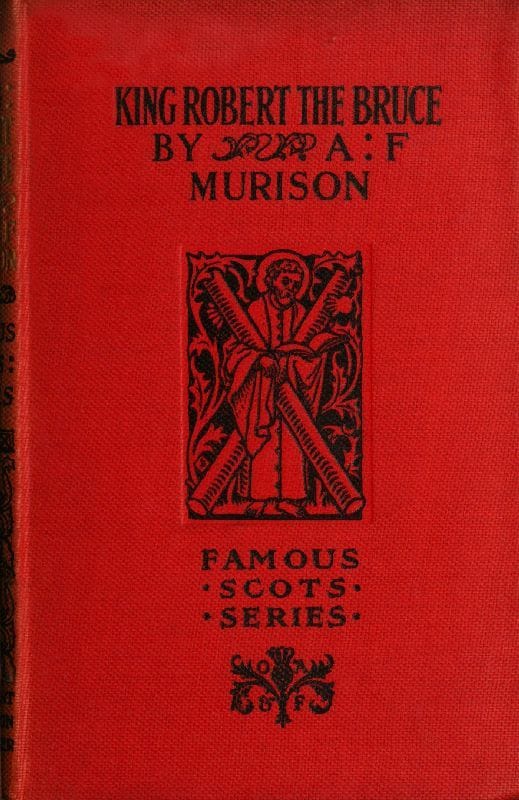
Published in 1899, 'King Robert the Bruce' by Alexander Falconer Murison is a detailed biography of Robert I, a key figure in Scotland's struggle for independence against English rule. The book chronicles Bruce's life, from his early political maneuvers to his eventual rise as King of Scots, highlighting significant events such as the Battle of Bannockburn. Murison's account emphasizes themes of patriotism and resilience during a tumultuous period in Scottish history, providing insight into Bruce's legacy and the broader context of Scotland's fight for sovereignty.
Editions
X-Ray
King of Scotland who fought for Scottish independence from English rule. Born 1274, crowned 1306, died 1329. A skilled military commander who evolved from an opportunistic Anglo-Norman baron into Scotland's greatest king.
King of England known as 'Hammer of the Scots.' Attempted to conquer Scotland and establish English overlordship. Died 1307 during campaign against Bruce.
Bruce's most trusted lieutenant and friend, known for his military prowess and loyalty. Carried Bruce's heart to the Holy Land after the king's death, dying in Spain in 1330.
Bruce's nephew who became Earl of Moray. Initially captured fighting against Bruce but became one of his most capable generals and diplomats. Served as regent after Bruce's death.
About King Robert the Bruce
Chapter Summaries
- 1
- Traces the Bruce family lineage from Norman origins through their establishment in Scotland. Details the competing claims to the Scottish throne and the complex feudal relationships that would shape Robert's destiny.
- 2
- Chronicles Bruce's early political career and his shifting allegiances between Scottish independence and English overlordship. Shows his pragmatic but ultimately unsuccessful attempts to serve both masters during Wallace's rebellion.
- 3
- Describes the murder of John Comyn at Dumfries and Bruce's subsequent coronation at Scone. This pivotal moment forces Bruce to commit fully to the cause of Scottish independence.
Key Themes
- Patriotism and National Identity
- The book explores the development of Scottish national consciousness and the fight for independence. Bruce's evolution from self-serving baron to national champion embodies the broader Scottish struggle for freedom and identity.
- Leadership and Transformation
- Bruce's character arc from opportunistic politician to heroic king demonstrates how circumstances can forge great leaders. His growth in wisdom, courage, and dedication to his people illustrates the making of a legendary monarch.
- Honor and Chivalry
- Medieval concepts of knightly honor, loyalty, and chivalrous conduct permeate the narrative. Characters like Douglas and Randolph exemplify these ideals, while Bruce learns to balance pragmatism with noble principles.
Characters
- Robert the Bruce(protagonist)
- King of Scotland who fought for Scottish independence from English rule. Born 1274, crowned 1306, died 1329. A skilled military commander who evolved from an opportunistic Anglo-Norman baron into Scotland's greatest king.
- Edward I (Longshanks)(antagonist)
- King of England known as 'Hammer of the Scots.' Attempted to conquer Scotland and establish English overlordship. Died 1307 during campaign against Bruce.
- James Douglas (The Black Douglas)(major)
- Bruce's most trusted lieutenant and friend, known for his military prowess and loyalty. Carried Bruce's heart to the Holy Land after the king's death, dying in Spain in 1330.
- Thomas Randolph(major)
- Bruce's nephew who became Earl of Moray. Initially captured fighting against Bruce but became one of his most capable generals and diplomats. Served as regent after Bruce's death.
- Edward Bruce(major)
- Robert's brother, described as 'outrageous hardy.' Led campaigns in Galloway and Ireland, where he was crowned King of Ireland in 1316 but died at the Battle of Faughart in 1318.
- John Comyn (Red Comyn)(major)
- Powerful Scottish noble and rival claimant to the throne. Murdered by Bruce in Dumfries church in 1306, an act that forced Bruce to claim the crown and fight for independence.
Link to this book
Add a free, dofollow link to Lex on your blog, forum, syllabus, or reading list.

<a href="https://lex-books.com/book/king-robert-the-bruce-dd881d56-97fd-413c-b01c-0aae9b2c0e2e"><img src="https://lex-books.com/badges/read-on-lex.svg" alt="Read King Robert the Bruce by Alexander Falconer Murison free on Lex" width="160" height="40"></a>[](https://lex-books.com/book/king-robert-the-bruce-dd881d56-97fd-413c-b01c-0aae9b2c0e2e)[url=https://lex-books.com/book/king-robert-the-bruce-dd881d56-97fd-413c-b01c-0aae9b2c0e2e][img]https://lex-books.com/badges/read-on-lex.svg[/img][/url]Read King Robert the Bruce by Alexander Falconer Murison free on Lex: https://lex-books.com/book/king-robert-the-bruce-dd881d56-97fd-413c-b01c-0aae9b2c0e2eCite this book
Reading this edition for a paper or guide? Copy a citation.
Murison, Alexander Falconer. King Robert the Bruce. Lex, lex-books.com/book/king-robert-the-bruce-dd881d56-97fd-413c-b01c-0aae9b2c0e2e.Murison, A. F. (1899). King Robert the Bruce. Lex. https://lex-books.com/book/king-robert-the-bruce-dd881d56-97fd-413c-b01c-0aae9b2c0e2eMurison, Alexander Falconer. King Robert the Bruce. Lex. https://lex-books.com/book/king-robert-the-bruce-dd881d56-97fd-413c-b01c-0aae9b2c0e2e.