J'accuse...!
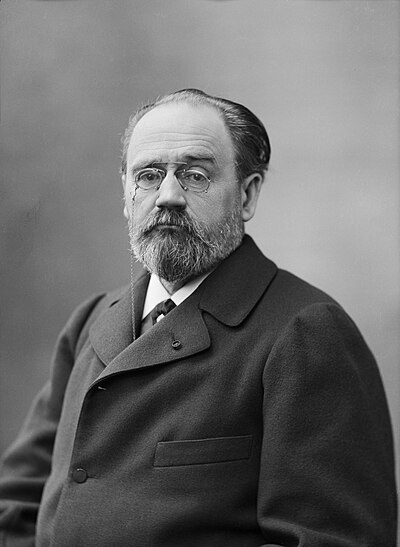
On January 13, 1898, Émile Zola did something no French writer had ever done. He published an open letter to the President of the Republic, and in it, he accused the French army and government of knowingly prosecuting an innocent man. Alfred Dreyfus, a Jewish artillery captain, had been convicted of treason in 1894 based on fabricated evidence and a leaked court-martial. The affair had split France in two, exposing deep currents of anti-Semitism and institutional corruption. Zola understood that the truth would never emerge in closed-door military proceedings. So he published his accusations in the newspaper L'Aurore, daring the government to sue him for libel. They did. The trial that followed blew the case wide open, forcing witnesses to testify and documents to surface. Zola was convicted, fled to England, but his letter had already done its work. 'J'accuse...!' remains the most devastating act of public courage in modern literature. It proves that one writer, armed only with facts and moral clarity, can bring an entire system to account.
Editions

Link to this book
Add a free, dofollow link to Lex on your blog, forum, syllabus, or reading list.

<a href="https://lex-books.com/book/j-accuse-1d98b116-f3e3-4946-b2cc-5104876c144b"><img src="https://lex-books.com/badges/read-on-lex.svg" alt="Read J'accuse...! by Emile Zola free on Lex" width="160" height="40"></a>[](https://lex-books.com/book/j-accuse-1d98b116-f3e3-4946-b2cc-5104876c144b)[url=https://lex-books.com/book/j-accuse-1d98b116-f3e3-4946-b2cc-5104876c144b][img]https://lex-books.com/badges/read-on-lex.svg[/img][/url]Read J'accuse...! by Emile Zola free on Lex: https://lex-books.com/book/j-accuse-1d98b116-f3e3-4946-b2cc-5104876c144bCite this book
Reading this edition for a paper or guide? Copy a citation.
Zola, Emile. J'accuse...!. Lex, lex-books.com/book/j-accuse-1d98b116-f3e3-4946-b2cc-5104876c144b.Zola, E. (n.d.). J'accuse...!. Lex. https://lex-books.com/book/j-accuse-1d98b116-f3e3-4946-b2cc-5104876c144bZola, Emile. J'accuse...!. Lex. https://lex-books.com/book/j-accuse-1d98b116-f3e3-4946-b2cc-5104876c144b.