Itinéraire de Paris à Jérusalem

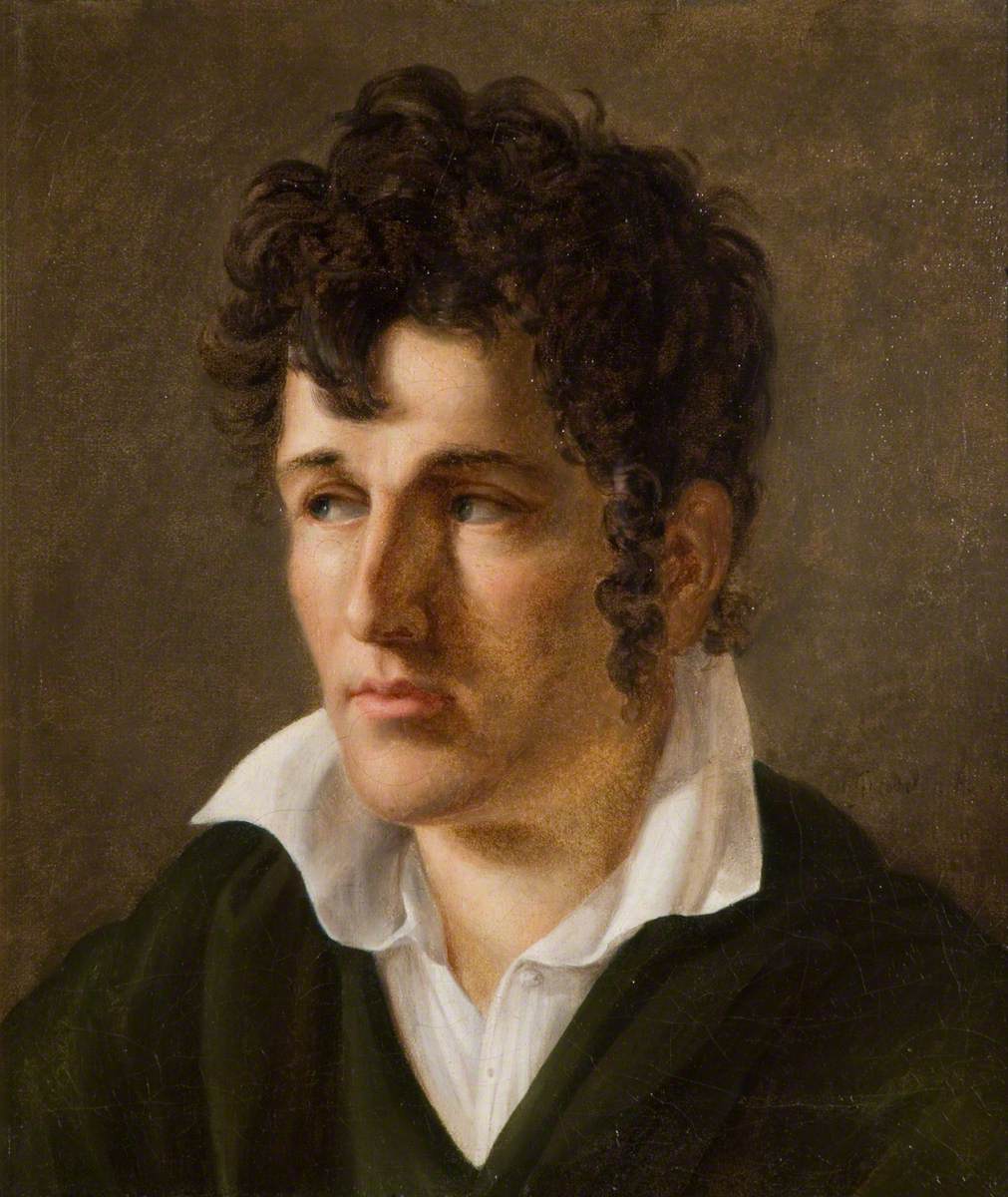
In 1806, a young French nobleman with Napoleon's court behind him set out across the Mediterranean, determined to walk the roads of the ancient world and return with something more than souvenirs. François-René de Chateaubriand's account of this journey, from Paris through Greece, Constantinople, the Holy Land, Egypt, and finally home through Spain, became a cornerstone of Romantic travel literature and a meditation on what it means to be a stranger in the cradle of civilization. He was researching his epic "Les Martyrs," but what he found was himself reflected in ruins, in the faces of conquered peoples, in the silence of temples where gods once spoke. The Greece he encounters is not the idealized marble world of the Enlightenment but a land groaning under Ottoman rule, and Chateaubriand's grief at seeing liberty extinguished where it was born becomes one of the book's beating hearts. Jerusalem, Egypt, Carthage each become occasions for layered reflection on empire, faith, and the persistence of the past beneath the present. This is neither a guidebook nor a simple diary but something more ambitious: a pilgrimage of the spirit conducted through the body of the ancient world.
Editions

Link to this book
Add a free, dofollow link to Lex on your blog, forum, syllabus, or reading list.

<a href="https://lex-books.com/book/itin-raire-de-paris-j-rusalem-39269ec9-0402-417e-901c-718d4bd0cb2d"><img src="https://lex-books.com/badges/read-on-lex.svg" alt="Read Itinéraire de Paris à Jérusalem by François-René, vicomte de Chateaubriand free on Lex" width="160" height="40"></a>[](https://lex-books.com/book/itin-raire-de-paris-j-rusalem-39269ec9-0402-417e-901c-718d4bd0cb2d)[url=https://lex-books.com/book/itin-raire-de-paris-j-rusalem-39269ec9-0402-417e-901c-718d4bd0cb2d][img]https://lex-books.com/badges/read-on-lex.svg[/img][/url]Read Itinéraire de Paris à Jérusalem by François-René, vicomte de Chateaubriand free on Lex: https://lex-books.com/book/itin-raire-de-paris-j-rusalem-39269ec9-0402-417e-901c-718d4bd0cb2dCite this book
Reading this edition for a paper or guide? Copy a citation.
François-René, vicomte de Chateaubriand. Itinéraire de Paris à Jérusalem. Lex, lex-books.com/book/itin-raire-de-paris-j-rusalem-39269ec9-0402-417e-901c-718d4bd0cb2d.François-René, V. D. C. (n.d.). Itinéraire de Paris à Jérusalem. Lex. https://lex-books.com/book/itin-raire-de-paris-j-rusalem-39269ec9-0402-417e-901c-718d4bd0cb2dFrançois-René, vicomte de Chateaubriand. Itinéraire de Paris à Jérusalem. Lex. https://lex-books.com/book/itin-raire-de-paris-j-rusalem-39269ec9-0402-417e-901c-718d4bd0cb2d.