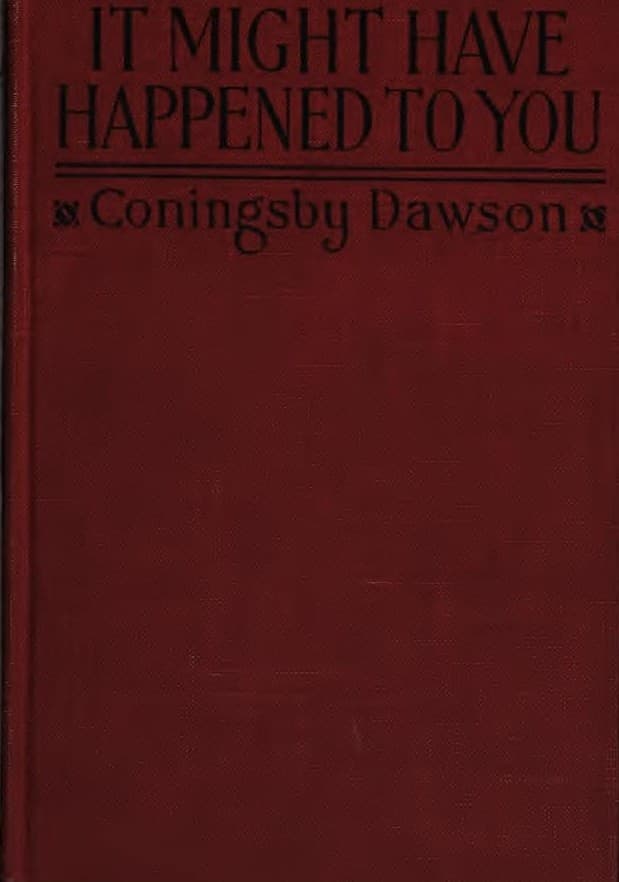
It Might Have Happened to You
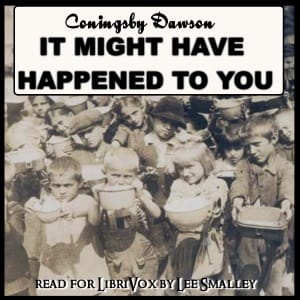
The war ended. The killing stopped. But the dying did not. Coningsby Dawson arrived in Central and Eastern Europe in the aftermath of the Armistice, expecting to find peace. What he found instead was a different kind of war being waged against civilians: starvation, disease, political collapse, and the quiet starvation of entire populations. This is not a book about battles or generals. It is about the horror of watching children starve while diplomats argued over maps, of witnessing societies unravel not from the violence of war but from the violence of peace. Dawson's account is devastating in its precision. He documents the hunger that crept across Austria, Hungary, and the newly carved nations of the East. He records the political chaos that followed the empire's collapse, the bitterness of populations who had traded one suffering for another. His prose is restrained, which makes it unbearable. It is not stating matters too strongly to say that peace had caused at least as much misery as the four years' fury of embattled armies. For readers of WWI history, anti-war literature, and anyone who believes that history's true costs are paid by civilians.
Editions

Link to this book
Add a free, dofollow link to Lex on your blog, forum, syllabus, or reading list.

<a href="https://lex-books.com/book/it-might-have-happened-to-you-6a92a6de-b63d-417e-b9d8-1cdaa01e7e21"><img src="https://lex-books.com/badges/read-on-lex.svg" alt="Read It Might Have Happened to You by Coningsby Dawson free on Lex" width="160" height="40"></a>[](https://lex-books.com/book/it-might-have-happened-to-you-6a92a6de-b63d-417e-b9d8-1cdaa01e7e21)[url=https://lex-books.com/book/it-might-have-happened-to-you-6a92a6de-b63d-417e-b9d8-1cdaa01e7e21][img]https://lex-books.com/badges/read-on-lex.svg[/img][/url]Read It Might Have Happened to You by Coningsby Dawson free on Lex: https://lex-books.com/book/it-might-have-happened-to-you-6a92a6de-b63d-417e-b9d8-1cdaa01e7e21Cite this book
Reading this edition for a paper or guide? Copy a citation.
Dawson, Coningsby. It Might Have Happened to You. Lex, lex-books.com/book/it-might-have-happened-to-you-6a92a6de-b63d-417e-b9d8-1cdaa01e7e21.Dawson, C. (n.d.). It Might Have Happened to You. Lex. https://lex-books.com/book/it-might-have-happened-to-you-6a92a6de-b63d-417e-b9d8-1cdaa01e7e21Dawson, Coningsby. It Might Have Happened to You. Lex. https://lex-books.com/book/it-might-have-happened-to-you-6a92a6de-b63d-417e-b9d8-1cdaa01e7e21.