Impressions of a War Correspondent
1903
Impressions of a War Correspondent
1903
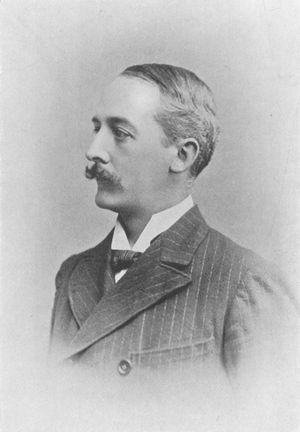
George Lynch wrote this book in 1903, looking back at the Boer War and Boxer Rebellion with the hard-won clarity of a man who had stood at the edge of empires and watched the machinery of death up close. The voice here is everything: not adventure narratives or patriotic swagger, but something more unsettling, a correspondent wrestling with what he has seen and what it means to report on suffering. Lynch opens by challenging the romantic myths of warfare, arguing that death on the battlefield is often more peaceful than civilians imagine, and that the true horror lies in the mundane, grinding reality of violence rather than its dramatic moments. He captures the strange camaraderie of soldiers, the psychological toll of constant danger, and the gap between what newspapers print and what the mud actually feels like. This is not a boastful memoir but a quiet, almost mournful meditation on the responsibilities of witnessing. For readers interested in war writing, in early journalism, or in the Boxer Rebellion specifically, this remains a primary source of real literary and historical weight.
Editions
Link to this book
Add a free, dofollow link to Lex on your blog, forum, syllabus, or reading list.

<a href="https://lex-books.com/book/impressions-of-a-war-correspondent-7e6e6c35-ff81-44b0-a637-a1eeef805522"><img src="https://lex-books.com/badges/read-on-lex.svg" alt="Read Impressions of a War Correspondent by George Lynch free on Lex" width="160" height="40"></a>[](https://lex-books.com/book/impressions-of-a-war-correspondent-7e6e6c35-ff81-44b0-a637-a1eeef805522)[url=https://lex-books.com/book/impressions-of-a-war-correspondent-7e6e6c35-ff81-44b0-a637-a1eeef805522][img]https://lex-books.com/badges/read-on-lex.svg[/img][/url]Read Impressions of a War Correspondent by George Lynch free on Lex: https://lex-books.com/book/impressions-of-a-war-correspondent-7e6e6c35-ff81-44b0-a637-a1eeef805522Cite this book
Reading this edition for a paper or guide? Copy a citation.
Lynch, George. Impressions of a War Correspondent. Lex, lex-books.com/book/impressions-of-a-war-correspondent-7e6e6c35-ff81-44b0-a637-a1eeef805522.Lynch, G. (1903). Impressions of a War Correspondent. Lex. https://lex-books.com/book/impressions-of-a-war-correspondent-7e6e6c35-ff81-44b0-a637-a1eeef805522Lynch, George. Impressions of a War Correspondent. Lex. https://lex-books.com/book/impressions-of-a-war-correspondent-7e6e6c35-ff81-44b0-a637-a1eeef805522.