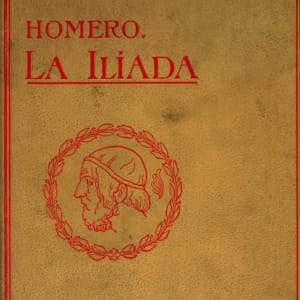
Ilíada
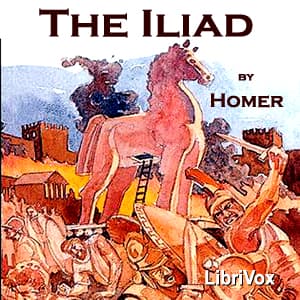
The Iliad is not the story of the Trojan War. It is the story of what war does to the men who fight it. The poem opens nine years into the siege of Troy, with the Greek hero Achilles locked in a bitter dispute with King Agamemnon over a captured woman. Achilles withdraws from battle, and his absence proves catastrophic. The Trojans push back the Greeks, death follows death, and the greatest warrior of his generation sits in his tent, nursing his rage. But when his closest companion falls, everything changes. Achilles returns not for glory, but for a grief so fierce it will define the rest of his short life. Homer gives us war in all its horror: the screams, the blood, the bodies dragged behind chariots. Yet he also shows us the intimate moments, a father's grief, a mother's plea, the dignity of a proper burial. The Iliad endures because it captures something eternal about rage and mercy, about how love and honor can destroy us as surely as any spear. It speaks to anyone who has ever wondered what we owe to each other when the world is burning.
Editions


Link to this book
Add a free, dofollow link to Lex on your blog, forum, syllabus, or reading list.

<a href="https://lex-books.com/book/il-ada-316340cc-2645-4159-b8a8-77b253e856c7"><img src="https://lex-books.com/badges/read-on-lex.svg" alt="Read Ilíada by Homer free on Lex" width="160" height="40"></a>[](https://lex-books.com/book/il-ada-316340cc-2645-4159-b8a8-77b253e856c7)[url=https://lex-books.com/book/il-ada-316340cc-2645-4159-b8a8-77b253e856c7][img]https://lex-books.com/badges/read-on-lex.svg[/img][/url]Read Ilíada by Homer free on Lex: https://lex-books.com/book/il-ada-316340cc-2645-4159-b8a8-77b253e856c7Cite this book
Reading this edition for a paper or guide? Copy a citation.
Homer. Ilíada. Lex, lex-books.com/book/il-ada-316340cc-2645-4159-b8a8-77b253e856c7.Homer (n.d.). Ilíada. Lex. https://lex-books.com/book/il-ada-316340cc-2645-4159-b8a8-77b253e856c7Homer. Ilíada. Lex. https://lex-books.com/book/il-ada-316340cc-2645-4159-b8a8-77b253e856c7.