Ὕμνοι ἤτοι προοίμια (Homeric Hymns)
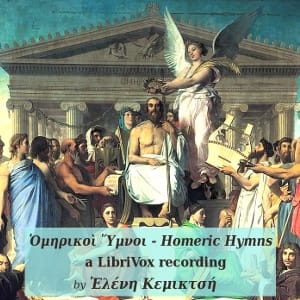
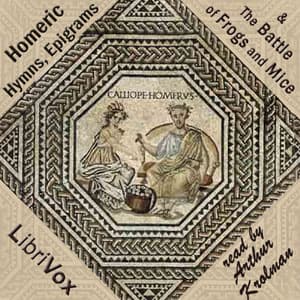
These thirty-three ancient Greek poems, composed between the 7th and 5th centuries BCE, stand at the very foundation of Western literature. Attributed to Homer but likely the work of various poets, they were performed as prefatory hymns (prooimia) at religious festivals before recitations of longer epic works. Each addresses a different Olympian deity, from radiant Apollo to silver-tongued Hermes, from golden Aphrodite to Demeter whose grief shaped the seasons. The longest hymn, to Demeter, tells the haunting story of Persephone's abduction and her mother's sorrow, a myth that explained the cycle of growth and decay. Others are more lyrical, celebrating the gods' powers in language of extraordinary beauty. Here the Greeks were still inventing their deities, giving shape to the divine forces that would dominate Western consciousness for millennia. The epithets, the formulas, the rolling hexameters connect us to an oral tradition predating writing itself. To read these hymns is to hear the voice of ancient Greece at its most primal and reverent.
Editions

Link to this book
Add a free, dofollow link to Lex on your blog, forum, syllabus, or reading list.

<a href="https://lex-books.com/book/homeric-hymns-30f918de-ea39-4636-9902-2b8a0f636093"><img src="https://lex-books.com/badges/read-on-lex.svg" alt="Read Ὕμνοι ἤτοι προοίμια (Homeric Hymns) by Homer free on Lex" width="160" height="40"></a>[](https://lex-books.com/book/homeric-hymns-30f918de-ea39-4636-9902-2b8a0f636093)[url=https://lex-books.com/book/homeric-hymns-30f918de-ea39-4636-9902-2b8a0f636093][img]https://lex-books.com/badges/read-on-lex.svg[/img][/url]Read Ὕμνοι ἤτοι προοίμια (Homeric Hymns) by Homer free on Lex: https://lex-books.com/book/homeric-hymns-30f918de-ea39-4636-9902-2b8a0f636093Cite this book
Reading this edition for a paper or guide? Copy a citation.
Homer. Ὕμνοι ἤτοι προοίμια (Homeric Hymns). Lex, lex-books.com/book/homeric-hymns-30f918de-ea39-4636-9902-2b8a0f636093.Homer (n.d.). Ὕμνοι ἤτοι προοίμια (Homeric Hymns). Lex. https://lex-books.com/book/homeric-hymns-30f918de-ea39-4636-9902-2b8a0f636093Homer. Ὕμνοι ἤτοι προοίμια (Homeric Hymns). Lex. https://lex-books.com/book/homeric-hymns-30f918de-ea39-4636-9902-2b8a0f636093.