History of the Jews, Vol. 4 (of 6)

History of the Jews, Vol. 4 (of 6)
This volume captures one of the most tumultuous periods in Jewish history: four centuries of survival, adaptation, and spiritual transformation in the face of expulsion, persecution, and the constant pressure to assimilate or disappear. Graetz opens with the flowering of Kabbalah, the esoteric mystical tradition that would reshape Jewish spirituality, while simultaneously documenting the tragic turn against rationalist philosophy and science that gripped certain Jewish communities. We witness the rise of Abraham Abulafia's startling messianic movements, with their ecstatic prophecy and fierce opposition, and follow the chain of events that led to the catastrophic expulsion from Spain in 1492. The narrative then traces the emergence of the Marranos, Jews forced to convert yet clinging to their ancestral faith in secret, as well as the impact of the Thirty Years' War on European Jewish communities. Graetz writes not as a detached observer but as a passionate inheritor of this history, making this volume both rigorous scholarship and a profound act of cultural memory.
Editions
X-Ray
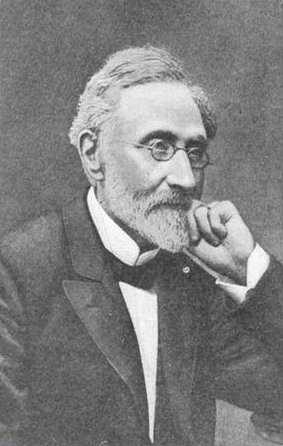
The author and historian who chronicles the Jewish experience from 1270-1618 CE. He presents a comprehensive narrative of Jewish communities across Europe, their struggles, achievements, and ultimate expulsions.
Influential rabbi of Barcelona who initially opposed the study of secular sciences among young Jews. He later issued bans against philosophical study, representing the tension between religious orthodoxy and intellectual freedom.
Eccentric Kabbalist who proclaimed himself the Messiah and developed mystical practices involving letter permutations. His adventurous career included an attempt to convert the Pope to Judaism.
The forger who created the Zohar, falsely attributing it to Simon bar Yochai. His deception gave the Kabbala a foundational text that influenced Jewish mysticism for centuries.
About History of the Jews, Vol. 4 (of 6)
Chapter Summaries
- 1
- The rise of Kabbalistic mysticism in Spain, led by figures like Abraham Abulafia and culminating in Moses de Leon's creation of the Zohar. Meanwhile, a controversy erupts over whether Jews should study secular sciences, with Ben Adret ultimately banning such studies for young people.
- 2
- Philip le Bel expels the Jews from France in 1306, confiscating their property. The controversy over secular learning continues even in exile, while Jews face persecution from the Shepherds and accusations of well-poisoning.
- 3
- Asheri brings German Orthodox influence to Spain, while Levi ben Gerson develops original philosophical ideas in France. Jews face persecution in Germany from the 'Leather-Arms' and other violent groups.
Key Themes
- Intellectual Freedom vs. Religious Orthodoxy
- The ongoing tension between those who embraced secular learning and philosophy versus those who saw it as a threat to Jewish faith. This conflict shaped Jewish education and thought throughout the period.
- The Precarious Nature of Jewish Existence
- Jews lived constantly under threat of expulsion, massacre, or forced conversion, dependent on the whims of rulers and the tolerance of Christian populations. Their prosperity was always temporary and vulnerable.
- The Corruption of Power
- Jewish courtiers and wealthy individuals often became disconnected from their communities, leading to internal conflicts and providing ammunition for anti-Jewish sentiment among Christians.
Characters
- Heinrich Graetz(protagonist)
- The author and historian who chronicles the Jewish experience from 1270-1618 CE. He presents a comprehensive narrative of Jewish communities across Europe, their struggles, achievements, and ultimate expulsions.
- Solomon ben Adret (Ben Adret)(major)
- Influential rabbi of Barcelona who initially opposed the study of secular sciences among young Jews. He later issued bans against philosophical study, representing the tension between religious orthodoxy and intellectual freedom.
- Abraham Abulafia(major)
- Eccentric Kabbalist who proclaimed himself the Messiah and developed mystical practices involving letter permutations. His adventurous career included an attempt to convert the Pope to Judaism.
- Moses de Leon(major)
- The forger who created the Zohar, falsely attributing it to Simon bar Yochai. His deception gave the Kabbala a foundational text that influenced Jewish mysticism for centuries.
- Asheri (Asher ben Yechiel)(major)
- German rabbi who emigrated to Spain and brought strict Talmudic orthodoxy, opposing secular learning. His influence marked a turning point toward religious conservatism in Spanish Judaism.
- Philip le Bel(antagonist)
- King of France who expelled the Jews in 1306, confiscating their property for his treasury. His actions represented the economic exploitation disguised as religious policy.
Link to this book
Add a free, dofollow link to Lex on your blog, forum, syllabus, or reading list.

<a href="https://lex-books.com/book/history-of-the-jews-vol-4-of-6-b9ed5284-297d-4c8f-8ecd-ca3853ce4c0b"><img src="https://lex-books.com/badges/read-on-lex.svg" alt="Read History of the Jews, Vol. 4 (of 6) by Heinrich Graetz free on Lex" width="160" height="40"></a>[](https://lex-books.com/book/history-of-the-jews-vol-4-of-6-b9ed5284-297d-4c8f-8ecd-ca3853ce4c0b)[url=https://lex-books.com/book/history-of-the-jews-vol-4-of-6-b9ed5284-297d-4c8f-8ecd-ca3853ce4c0b][img]https://lex-books.com/badges/read-on-lex.svg[/img][/url]Read History of the Jews, Vol. 4 (of 6) by Heinrich Graetz free on Lex: https://lex-books.com/book/history-of-the-jews-vol-4-of-6-b9ed5284-297d-4c8f-8ecd-ca3853ce4c0bCite this book
Reading this edition for a paper or guide? Copy a citation.
Graetz, Heinrich. History of the Jews, Vol. 4 (of 6). Lex, lex-books.com/book/history-of-the-jews-vol-4-of-6-b9ed5284-297d-4c8f-8ecd-ca3853ce4c0b.Graetz, H. (n.d.). History of the Jews, Vol. 4 (of 6). Lex. https://lex-books.com/book/history-of-the-jews-vol-4-of-6-b9ed5284-297d-4c8f-8ecd-ca3853ce4c0bGraetz, Heinrich. History of the Jews, Vol. 4 (of 6). Lex. https://lex-books.com/book/history-of-the-jews-vol-4-of-6-b9ed5284-297d-4c8f-8ecd-ca3853ce4c0b.