History of Lace
1869
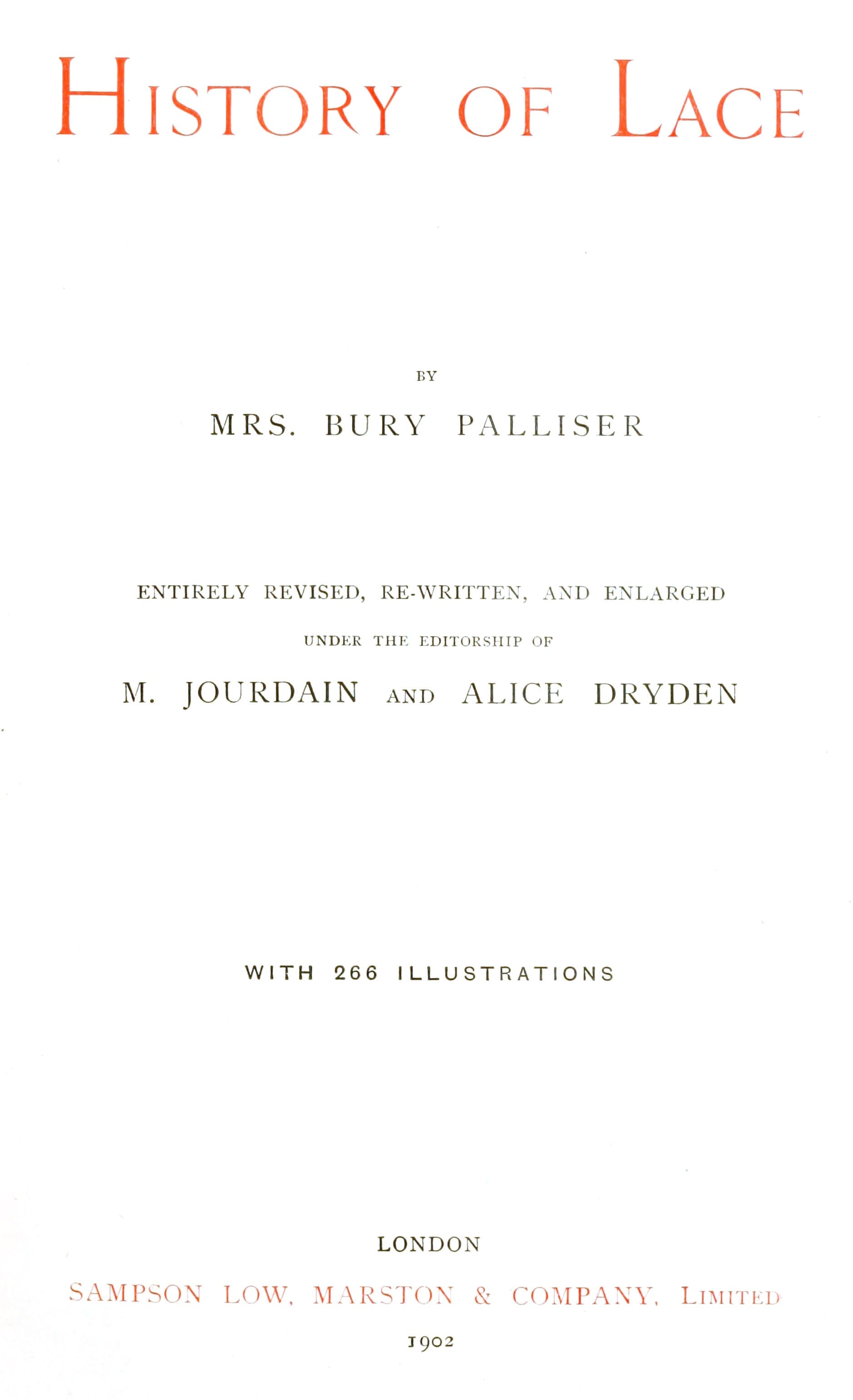
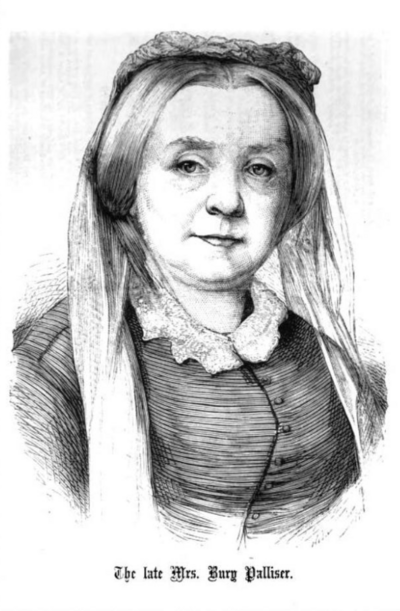
Long before it adorned aristocrats and altars, lace was a language spoken in thread. This landmark Victorian work traces that language across four thousand years, from the fine-spun netting found in Egyptian tombs to the dazzling punto di Venezia that crowned Venetian coronations. Mrs. Palliser, whose scholarship on decorative arts remains unmatched, follows the craft through the workshops of Flanders, the courts of France, the convents of Italy, and the cottage industries of England and Ireland. She maps not merely the evolution of techniques, reticella giving way to point de France, Valenciennes yielding to Chantilly, but the social rituals, religious practices, and commercial rivalries that shaped what women made with their hands. This is material culture at its most alive: here is lace as economic lifeline for entire regions, as armor for the church, as the soft architecture of power framing the faces of queens. Over 260 illustrations preserve patterns and garments now scattered or lost. The book endures not as dusty archive but as testimony to an art that required patience most people no longer possess.
Editions
Link to this book
Add a free, dofollow link to Lex on your blog, forum, syllabus, or reading list.

<a href="https://lex-books.com/book/history-of-lace-e92ded71-a9f5-4d48-8bd3-dfbbbf83024d"><img src="https://lex-books.com/badges/read-on-lex.svg" alt="Read History of Lace by Bury, Mrs. Palliser free on Lex" width="160" height="40"></a>[](https://lex-books.com/book/history-of-lace-e92ded71-a9f5-4d48-8bd3-dfbbbf83024d)[url=https://lex-books.com/book/history-of-lace-e92ded71-a9f5-4d48-8bd3-dfbbbf83024d][img]https://lex-books.com/badges/read-on-lex.svg[/img][/url]Read History of Lace by Bury, Mrs. Palliser free on Lex: https://lex-books.com/book/history-of-lace-e92ded71-a9f5-4d48-8bd3-dfbbbf83024dCite this book
Reading this edition for a paper or guide? Copy a citation.
Bury, Mrs. Palliser. History of Lace. Lex, lex-books.com/book/history-of-lace-e92ded71-a9f5-4d48-8bd3-dfbbbf83024d.Bury, M. P. (1869). History of Lace. Lex. https://lex-books.com/book/history-of-lace-e92ded71-a9f5-4d48-8bd3-dfbbbf83024dBury, Mrs. Palliser. History of Lace. Lex. https://lex-books.com/book/history-of-lace-e92ded71-a9f5-4d48-8bd3-dfbbbf83024d.