Histoire Des Musulmans D'espagne, T. 2/4jusqu'a La Conquête De L'andalouisie Par Les Almoravides (711-110)
1861

Histoire Des Musulmans D'espagne, T. 2/4jusqu'a La Conquête De L'andalouisie Par Les Almoravides (711-110)
1861
A historical account written in the late 19th century. This work provides an in-depth exploration of the Muslim conquest of Spain, from the initial military incursions to the resulting socio-political changes in the Iberian Peninsula. The book delves into the complex dynamics between various groups, including Christians, Muslims, and Jewish populations, as well as the broader implications of the conquest on the Spanish territory. The opening of the book sets the stage for a critical examination of Spain's state leading up to the Muslim invasion. It discusses the social, economic, and political conditions that rendered Spain vulnerable, highlighting the disparities between the rich and poor, the prevalence of slavery, and the weakening influence of Roman governance. The historical narrative outlines the series of events that facilitated the Muslim conquest, including internal dissent among the ruling Visigoths, and prepares the reader for a detailed exploration of the subsequent transformations in Spanish society under Muslim rule.
Editions

X-Ray
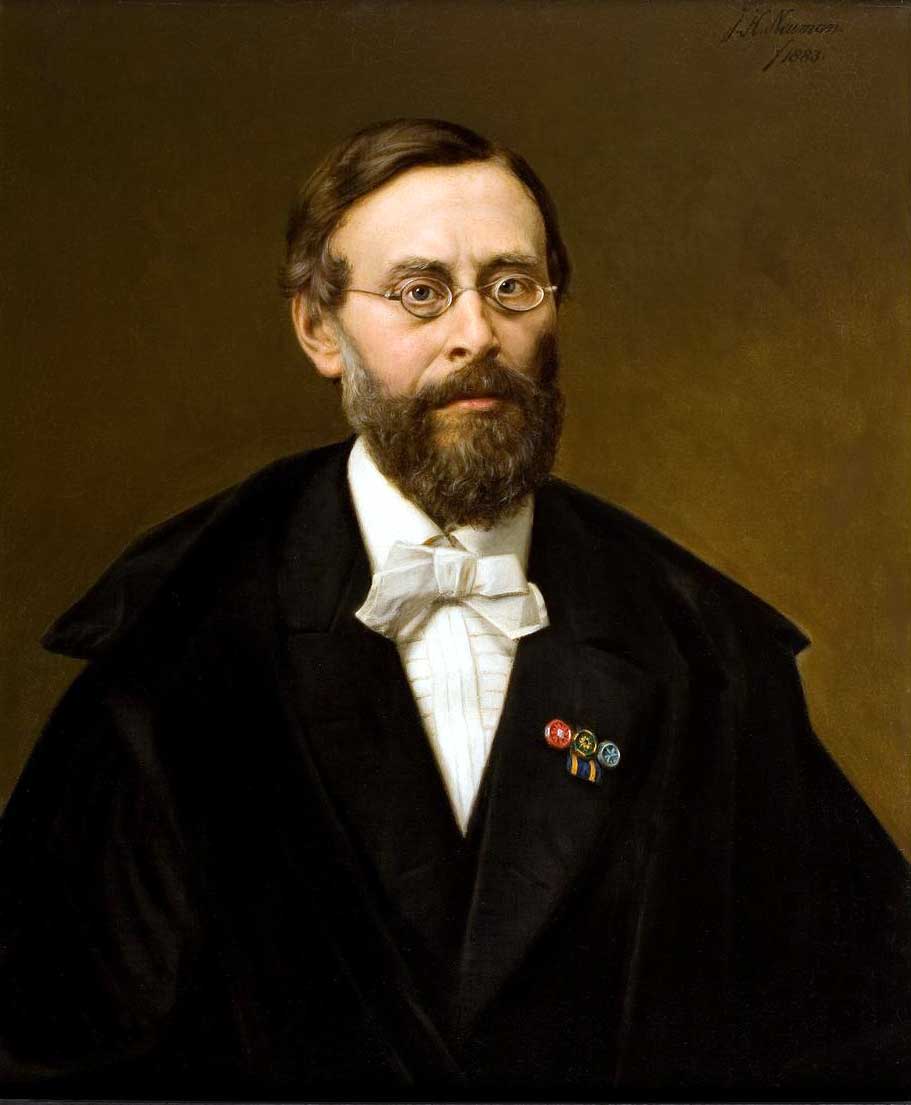
Dutch historian and orientalist, author of this comprehensive history of Muslim Spain. Professor at University of Leiden and member of various academic societies.
Visigothic nobleman turned Muslim rebel leader who later converted to Christianity. The most formidable opponent of the Umayyad sultans, ruling from his fortress at Bobastro.
Umayyad ruler of Córdoba who struggled to maintain control over a fragmenting Al-Andalus. Weak and indecisive ruler who faced multiple rebellions.
Christian priest and martyr who led the resistance against Muslim rule in Córdoba. Became a saint after his execution for blasphemy against Muhammad.
About Histoire Des Musulmans D'espagne, T. 2/4jusqu'a La Conquête De L'andalouisie Par Les Almoravides (711-110)
Chapter Summaries
- I
- Dozy introduces the focus on the conquered populations of Spain and their resistance to Muslim rule. He outlines the social conditions that facilitated the Arab conquest and the various forms of opposition that emerged.
- II
- Details the Arab conquest of Spain in 711 and the initial accommodation between conquerors and conquered. Describes the social revolution that followed and early forms of Christian and convert resistance.
- III
- Chronicles the beginning of the Christian martyrdom movement in Córdoba, starting with the cases of Perfectus and Isaac, and the religious and political tensions that drove Christians to seek martyrdom.
Key Themes
- Religious Conflict and Martyrdom
- The tension between Christianity and Islam manifests in the martyrdom movement in Córdoba, where Christians deliberately sought death by blaspheming Muhammad, representing both religious fanaticism and resistance to cultural assimilation.
- Ethnic and Cultural Identity
- The complex relationships between Arabs, Berbers, and Hispanized populations reveal how conquest creates lasting tensions between conquerors and conquered, with converts (muwallads) occupying an ambiguous middle position.
- Political Fragmentation and Rebellion
- The gradual dissolution of centralized Umayyad power demonstrates how distant provinces naturally tend toward independence, especially when local grievances combine with ethnic and religious differences.
Characters
- Reinhart Pieter Anne Dozy(protagonist)
- Dutch historian and orientalist, author of this comprehensive history of Muslim Spain. Professor at University of Leiden and member of various academic societies.
- Omar ibn-Hafçoun (Samuel)(major)
- Visigothic nobleman turned Muslim rebel leader who later converted to Christianity. The most formidable opponent of the Umayyad sultans, ruling from his fortress at Bobastro.
- Sultan Abdallah(major)
- Umayyad ruler of Córdoba who struggled to maintain control over a fragmenting Al-Andalus. Weak and indecisive ruler who faced multiple rebellions.
- Euloge(major)
- Christian priest and martyr who led the resistance against Muslim rule in Córdoba. Became a saint after his execution for blasphemy against Muhammad.
- Alvaro(major)
- Christian layman and writer who defended the martyrs of Córdoba. Close friend and intellectual companion of Euloge.
- Flora(major)
- Young Christian woman of mixed parentage who became a martyr. Object of Euloge's spiritual affection and inspiration for his religious writings.
Link to this book
Add a free, dofollow link to Lex on your blog, forum, syllabus, or reading list.

<a href="https://lex-books.com/book/histoire-des-musulmans-d-espagne-t-2-4jusqu-a-la-conqu-te-de-l-andalouisie-par-l-65ceea13-e68c-479d-93e3-9a4ae4a0c7a0"><img src="https://lex-books.com/badges/read-on-lex.svg" alt="Read Histoire Des Musulmans D'espagne, T. 2/4jusqu'a La Conquête De L'andalouisie Par Les Almoravides (711-110) by Reinhart Pieter Anne Dozy free on Lex" width="160" height="40"></a>[](https://lex-books.com/book/histoire-des-musulmans-d-espagne-t-2-4jusqu-a-la-conqu-te-de-l-andalouisie-par-l-65ceea13-e68c-479d-93e3-9a4ae4a0c7a0)[url=https://lex-books.com/book/histoire-des-musulmans-d-espagne-t-2-4jusqu-a-la-conqu-te-de-l-andalouisie-par-l-65ceea13-e68c-479d-93e3-9a4ae4a0c7a0][img]https://lex-books.com/badges/read-on-lex.svg[/img][/url]Read Histoire Des Musulmans D'espagne, T. 2/4jusqu'a La Conquête De L'andalouisie Par Les Almoravides (711-110) by Reinhart Pieter Anne Dozy free on Lex: https://lex-books.com/book/histoire-des-musulmans-d-espagne-t-2-4jusqu-a-la-conqu-te-de-l-andalouisie-par-l-65ceea13-e68c-479d-93e3-9a4ae4a0c7a0Cite this book
Reading this edition for a paper or guide? Copy a citation.
Dozy, Reinhart Pieter Anne. Histoire Des Musulmans D'espagne, T. 2/4jusqu'a La Conquête De L'andalouisie Par Les Almoravides (711-110). Lex, lex-books.com/book/histoire-des-musulmans-d-espagne-t-2-4jusqu-a-la-conqu-te-de-l-andalouisie-par-l-65ceea13-e68c-479d-93e3-9a4ae4a0c7a0.Dozy, R. P. A. (1861). Histoire Des Musulmans D'espagne, T. 2/4jusqu'a La Conquête De L'andalouisie Par Les Almoravides (711-110). Lex. https://lex-books.com/book/histoire-des-musulmans-d-espagne-t-2-4jusqu-a-la-conqu-te-de-l-andalouisie-par-l-65ceea13-e68c-479d-93e3-9a4ae4a0c7a0Dozy, Reinhart Pieter Anne. Histoire Des Musulmans D'espagne, T. 2/4jusqu'a La Conquête De L'andalouisie Par Les Almoravides (711-110). Lex. https://lex-books.com/book/histoire-des-musulmans-d-espagne-t-2-4jusqu-a-la-conqu-te-de-l-andalouisie-par-l-65ceea13-e68c-479d-93e3-9a4ae4a0c7a0.