Histoire De La Prostitution Chez Tous Les Peuples Du Monde Depuis L'antiquité La Plus Reculée Jusqu'à Nos Jours, Tome 4/6

Histoire De La Prostitution Chez Tous Les Peuples Du Monde Depuis L'antiquité La Plus Reculée Jusqu'à Nos Jours, Tome 4/6
A historical account written in the mid-19th century. The work explores the phenomenon of prostitution across various cultures and epochs, delving into the roles, hierarchies, and societal perceptions associated with it. The opening chapters specifically focus on the historical context of the ''roi des ribauds,'' a figure associated with the regulation of prostitution at the French royal court. The beginning of the book presents an exploration into the peculiar office of the ''roi des ribauds,'' describing its evolution and significance from the time of Charlemagne to the reign of Philippe-Auguste. Dufour discusses the efforts of various historians to categorize the authority and duties of this enigmatic position, which served as both a judge and an enforcer of morality within the royal household. The narrative elaborates on historical accounts and references from notable figures in history, examining how the role transformed over time, ultimately leading to its decline as societal norms changed and other authorities gained prominence.
Editions

X-Ray
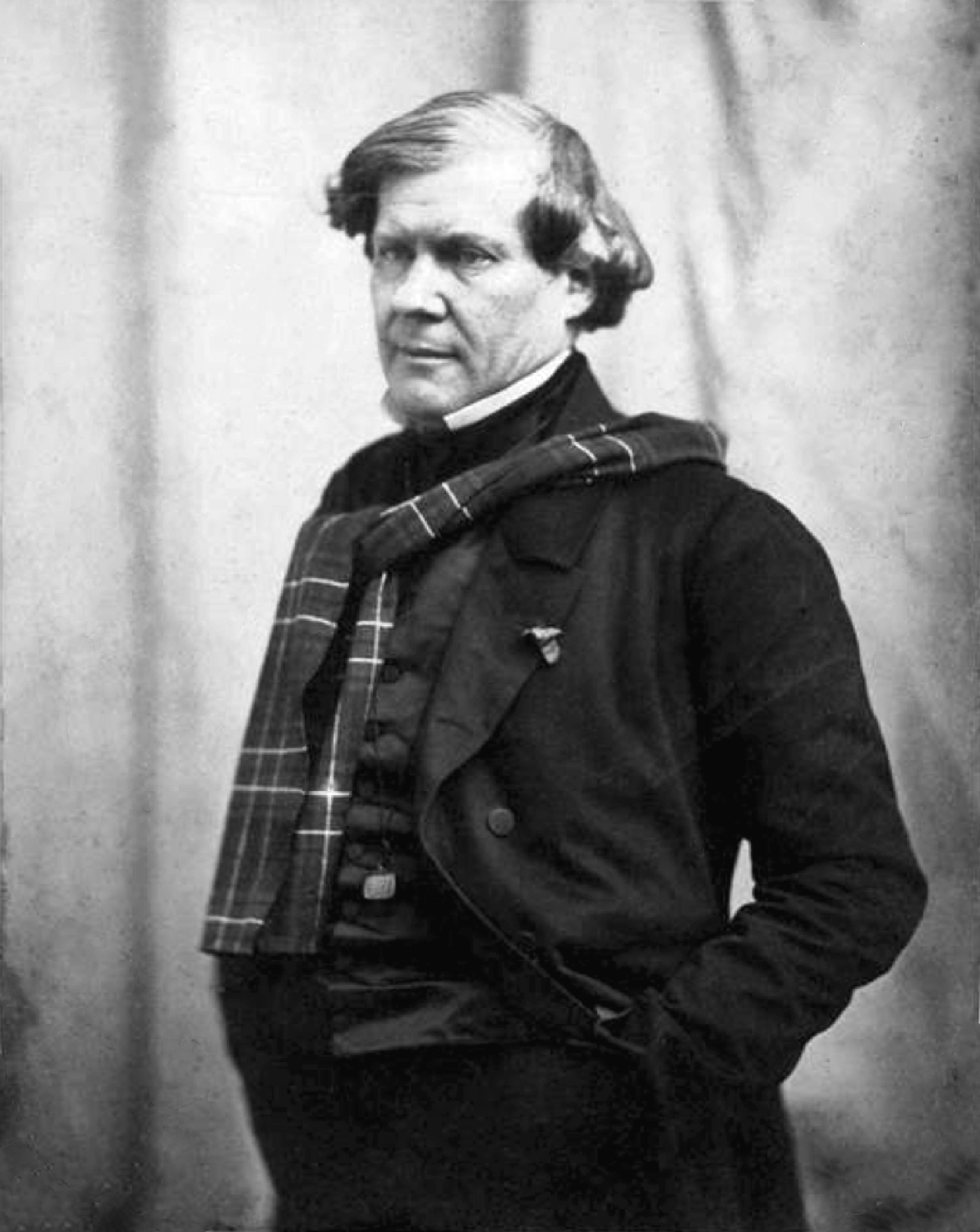
The author and narrator of this historical work on prostitution. A member of several French and foreign academies and learned societies, he presents himself as a scholarly researcher examining the history of prostitution across all peoples from antiquity to his present day.
King of France who attempted to suppress prostitution through his 1254 ordinance, then modified his approach in 1256 to regulate rather than eliminate it. His legislation became the foundation for French prostitution law.
Provost of Paris appointed by Louis IX in 1258, responsible for organizing trades and crafts into corporations. He likely organized prostitutes into regulated communities as part of his broader administrative reforms.
King of France who organized ribauds (vagabonds and prostitutes) into paid military units and established the office of 'roi des ribauds' (king of ribauds) to maintain order among them.
About Histoire De La Prostitution Chez Tous Les Peuples Du Monde Depuis L'antiquité La Plus Reculée Jusqu'à Nos Jours, Tome 4/6
Chapter Summaries
- VIII
- Detailed examination of the office of 'roi des ribauds' (king of ribauds), tracing its origins from Charlemagne's ministeriales palatini through its evolution under Philippe-Auguste. The chapter analyzes the powers, privileges, and decline of this unique royal office responsible for policing prostitution and vagabonds.
- IX
- Analysis of how prostitution evolved after Louis IX's failed attempt at complete suppression, leading to the regulatory approach of 1256. Discusses the establishment of police oversight, confraternities of public women, and sumptuary laws governing their dress and behavior.
- X
- Comprehensive topographical survey of Parisian prostitution districts in the Middle Ages, using Guillot's 13th-century 'Dit des Rues de Paris' as a primary source. Maps the locations and characteristics of brothels, taverns, and red-light districts throughout medieval Paris.
Key Themes
- Legal vs. Moral Authority
- The work explores the conflict between religious moral imperatives to eliminate prostitution and practical governmental needs to regulate it for social stability.
- Social Control and Regulation
- Detailed examination of how medieval authorities used laws, dress codes, residential restrictions, and taxation to control and contain prostitution within society.
- Economic Exploitation
- Analysis of how prostitution generated revenue for cities, nobles, and the crown through taxes, fines, and licensing fees, creating economic incentives for its continuation.
Characters
- Pierre Dufour (P. L. Jacob)(protagonist)
- The author and narrator of this historical work on prostitution. A member of several French and foreign academies and learned societies, he presents himself as a scholarly researcher examining the history of prostitution across all peoples from antiquity to his present day.
- Louis IX (Saint Louis)(major)
- King of France who attempted to suppress prostitution through his 1254 ordinance, then modified his approach in 1256 to regulate rather than eliminate it. His legislation became the foundation for French prostitution law.
- Étienne Boileau(major)
- Provost of Paris appointed by Louis IX in 1258, responsible for organizing trades and crafts into corporations. He likely organized prostitutes into regulated communities as part of his broader administrative reforms.
- Philippe-Auguste(major)
- King of France who organized ribauds (vagabonds and prostitutes) into paid military units and established the office of 'roi des ribauds' (king of ribauds) to maintain order among them.
- Roi des ribauds(major)
- A royal officer responsible for policing prostitution and maintaining order among ribauds. This position evolved from ministeriales palatini under Charlemagne and became a significant court office with judicial powers over prostitutes and vagabonds.
Link to this book
Add a free, dofollow link to Lex on your blog, forum, syllabus, or reading list.

<a href="https://lex-books.com/book/histoire-de-la-prostitution-chez-tous-les-peuples-du-monde-depuis-l-antiquit-la--4152eb02-cc6f-45fd-8f00-de7a628a898b"><img src="https://lex-books.com/badges/read-on-lex.svg" alt="Read Histoire De La Prostitution Chez Tous Les Peuples Du Monde Depuis L'antiquité La Plus Reculée Jusqu'à Nos Jours, Tome 4/6 by P. L. Jacob free on Lex" width="160" height="40"></a>[](https://lex-books.com/book/histoire-de-la-prostitution-chez-tous-les-peuples-du-monde-depuis-l-antiquit-la--4152eb02-cc6f-45fd-8f00-de7a628a898b)[url=https://lex-books.com/book/histoire-de-la-prostitution-chez-tous-les-peuples-du-monde-depuis-l-antiquit-la--4152eb02-cc6f-45fd-8f00-de7a628a898b][img]https://lex-books.com/badges/read-on-lex.svg[/img][/url]Read Histoire De La Prostitution Chez Tous Les Peuples Du Monde Depuis L'antiquité La Plus Reculée Jusqu'à Nos Jours, Tome 4/6 by P. L. Jacob free on Lex: https://lex-books.com/book/histoire-de-la-prostitution-chez-tous-les-peuples-du-monde-depuis-l-antiquit-la--4152eb02-cc6f-45fd-8f00-de7a628a898bCite this book
Reading this edition for a paper or guide? Copy a citation.
Jacob, P. L.. Histoire De La Prostitution Chez Tous Les Peuples Du Monde Depuis L'antiquité La Plus Reculée Jusqu'à Nos Jours, Tome 4/6. Lex, lex-books.com/book/histoire-de-la-prostitution-chez-tous-les-peuples-du-monde-depuis-l-antiquit-la--4152eb02-cc6f-45fd-8f00-de7a628a898b.Jacob, P. L. (n.d.). Histoire De La Prostitution Chez Tous Les Peuples Du Monde Depuis L'antiquité La Plus Reculée Jusqu'à Nos Jours, Tome 4/6. Lex. https://lex-books.com/book/histoire-de-la-prostitution-chez-tous-les-peuples-du-monde-depuis-l-antiquit-la--4152eb02-cc6f-45fd-8f00-de7a628a898bJacob, P. L.. Histoire De La Prostitution Chez Tous Les Peuples Du Monde Depuis L'antiquité La Plus Reculée Jusqu'à Nos Jours, Tome 4/6. Lex. https://lex-books.com/book/histoire-de-la-prostitution-chez-tous-les-peuples-du-monde-depuis-l-antiquit-la--4152eb02-cc6f-45fd-8f00-de7a628a898b.