Hanhiemon Satuja
1697
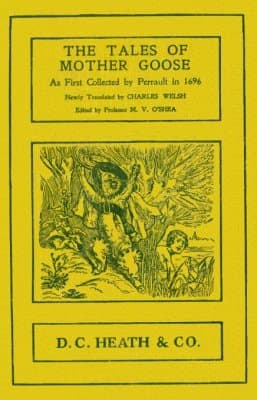
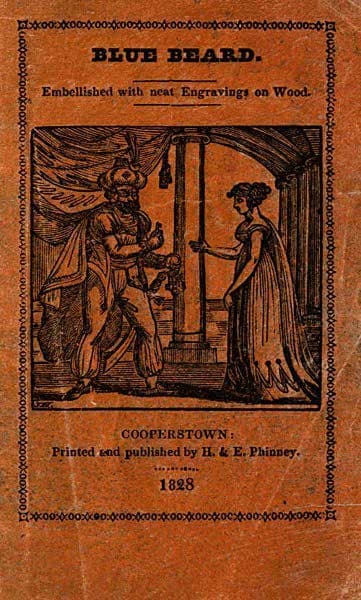
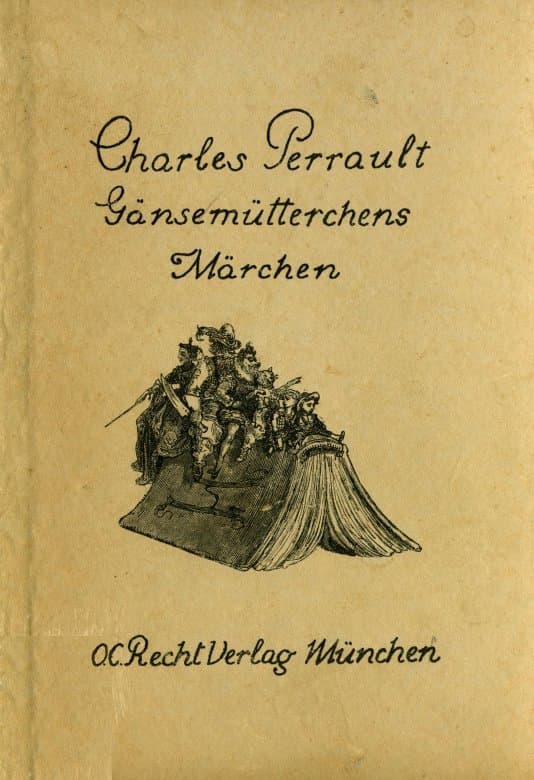
In 1697, Charles Perrault did something no one had done before: he took the oral tales told by nurses and peasants throughout France and committed them to the written page. The result was "Tales of My Mother Goose," a collection that invented the literary fairy tale as we know it. Here you'll find the first versions of stories that would become universal: Little Red Riding Hood, with its lurking danger in the forest; Cinderella, who wins prince and palace through a glass slipper; Bluebeard, whose wives discover the horror locked behind his forbidden door; Puss in Boots, the cunning cat who engineers his master's fortune. These are not the softened versions Disney later rendered into animations. Perrault's tales carry the blood and logic of older storytelling, where the wolf really does eat grandmother, where step-sisters really have their eyes pecked out, where cleverness and caution matter more than kindness. Each story concludes with a explicit moral, as if Perrault understood he was codifying something precious and dangerous. This is where the modern fairy tale begins, and no reader of fantasy, folklore, or fiction can afford to skip it.
Editions
X-Ray
“FIRST MORALGood manners are not easyThey need a little care,But when we least expect itBring rewards both rich and rare.SECOND MORALBrute force or bribes of diamondsBend others to your will,But gentle words have greater powerAnd gain more conquests still.””
— Charles Perrault
“The less there is of eloquence, the more there is of love.””
— Charles Perrault
“of the culprit. Architecture next engaged his attention, and in 1657 he designed a house at Viry for his brother and supervised its construction.””
— Charles Perrault
“ever called her child.) The poor creature told her frankly all the matter, not without dropping out infinite numbers of diamonds. “In good faith,” cried the mother, “I must send my child thither. Come hither, Fanny, look what comes out of thy sister’s mouth when she speaks!””
— Charles Perrault
“Perhaps it also demonstrates that any young girl can live quite healthily on coarse bread and clear water – so long as she has fine clothes.””
— Charles Perrault
Link to this book
Add a free, dofollow link to Lex on your blog, forum, syllabus, or reading list.

<a href="https://lex-books.com/book/hanhiemon-satuja-20f21f7a-4c97-4cb3-8c34-8a2c46c41a79"><img src="https://lex-books.com/badges/read-on-lex.svg" alt="Read Hanhiemon Satuja by Charles Perrault free on Lex" width="160" height="40"></a>[](https://lex-books.com/book/hanhiemon-satuja-20f21f7a-4c97-4cb3-8c34-8a2c46c41a79)[url=https://lex-books.com/book/hanhiemon-satuja-20f21f7a-4c97-4cb3-8c34-8a2c46c41a79][img]https://lex-books.com/badges/read-on-lex.svg[/img][/url]Read Hanhiemon Satuja by Charles Perrault free on Lex: https://lex-books.com/book/hanhiemon-satuja-20f21f7a-4c97-4cb3-8c34-8a2c46c41a79Cite this book
Reading this edition for a paper or guide? Copy a citation.
Perrault, Charles. Hanhiemon Satuja. Lex, lex-books.com/book/hanhiemon-satuja-20f21f7a-4c97-4cb3-8c34-8a2c46c41a79.Perrault, C. (1697). Hanhiemon Satuja. Lex. https://lex-books.com/book/hanhiemon-satuja-20f21f7a-4c97-4cb3-8c34-8a2c46c41a79Perrault, Charles. Hanhiemon Satuja. Lex. https://lex-books.com/book/hanhiemon-satuja-20f21f7a-4c97-4cb3-8c34-8a2c46c41a79.