Great Italian and French Composers
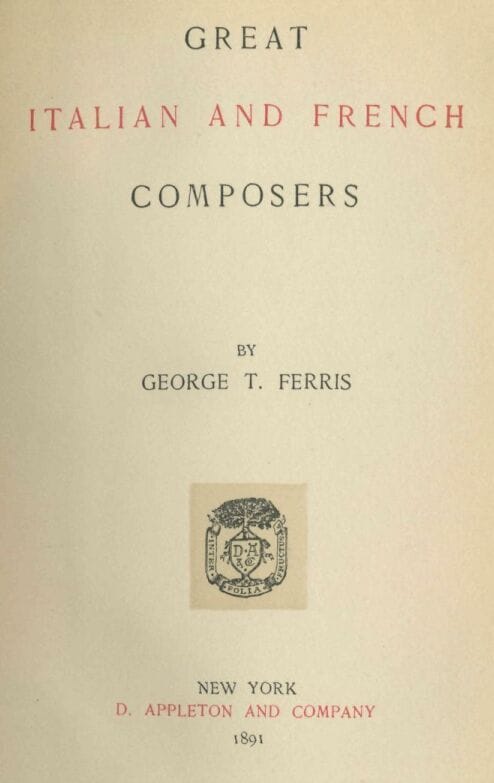
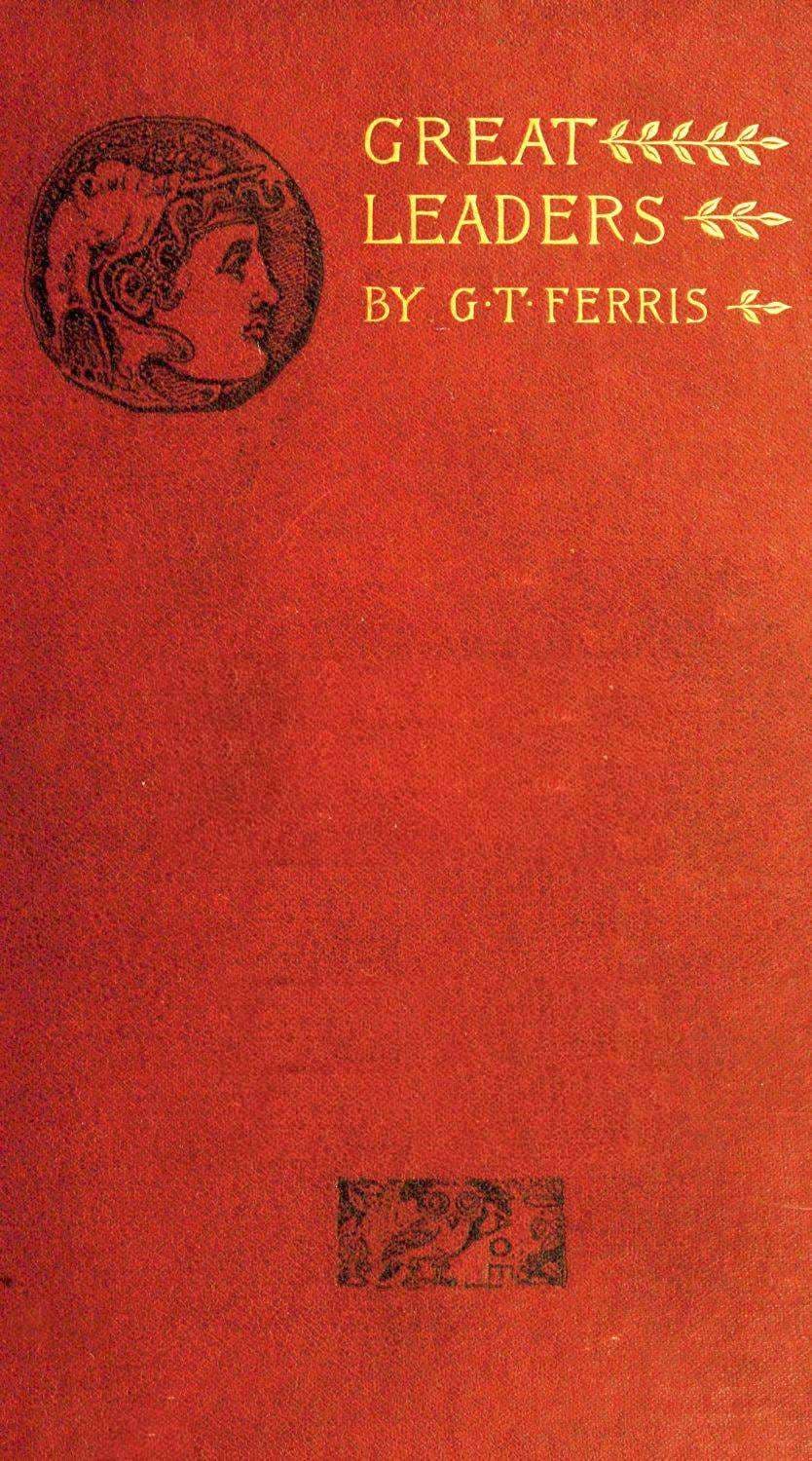
Before there was Mozart or Verdi, before the grand opera houses of Paris and Milan defined the genre, there were the architects of an entire musical tradition. George T. Ferris's 1878 profiles trace the lives and legacies of the Italian and French composers who fundamentally shaped Western classical music, from Giovanni Pierluigi da Palestrina's revolutionary sacred works that saved polyphony from ecclesiastical censorship to the emergence of French grand opéra. These are not mere biographical sketches but vivid portraits of artists working within their historical moments, men whose personal struggles, religious convictions, and national identities became inseparable from their music. Ferris writes for the passionate amateur, not the credentialed scholar, rendering complex musical innovations into accessible narratives about the human beings behind the harmonies. The book captures a particular Victorian impulse: the desire to understand where music came in order to comprehend where it was going. For readers curious about the foundations of opera, the evolution of sacred music, or the cultural rivalries between Italian and French musical traditions, this volume offers an entertaining and informative gateway into an era when composers were still inventing the language we still speak today.
Editions

Link to this book
Add a free, dofollow link to Lex on your blog, forum, syllabus, or reading list.

<a href="https://lex-books.com/book/great-italian-and-french-composers-1e157ea5-a044-4fe0-9c7c-c8bb4ed9d2f6"><img src="https://lex-books.com/badges/read-on-lex.svg" alt="Read Great Italian and French Composers by George T. Ferris free on Lex" width="160" height="40"></a>[](https://lex-books.com/book/great-italian-and-french-composers-1e157ea5-a044-4fe0-9c7c-c8bb4ed9d2f6)[url=https://lex-books.com/book/great-italian-and-french-composers-1e157ea5-a044-4fe0-9c7c-c8bb4ed9d2f6][img]https://lex-books.com/badges/read-on-lex.svg[/img][/url]Read Great Italian and French Composers by George T. Ferris free on Lex: https://lex-books.com/book/great-italian-and-french-composers-1e157ea5-a044-4fe0-9c7c-c8bb4ed9d2f6Cite this book
Reading this edition for a paper or guide? Copy a citation.
Ferris, George T.. Great Italian and French Composers. Lex, lex-books.com/book/great-italian-and-french-composers-1e157ea5-a044-4fe0-9c7c-c8bb4ed9d2f6.Ferris, G. T. (n.d.). Great Italian and French Composers. Lex. https://lex-books.com/book/great-italian-and-french-composers-1e157ea5-a044-4fe0-9c7c-c8bb4ed9d2f6Ferris, George T.. Great Italian and French Composers. Lex. https://lex-books.com/book/great-italian-and-french-composers-1e157ea5-a044-4fe0-9c7c-c8bb4ed9d2f6.