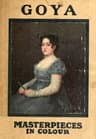
Goya
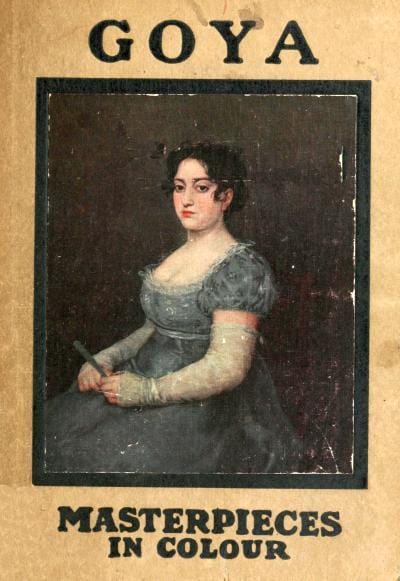
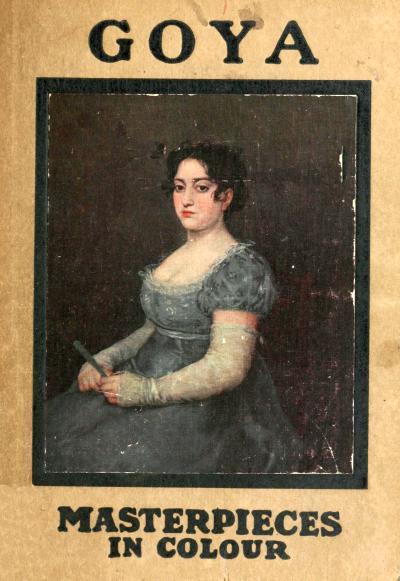
Francisco Goya lived through one of the most turbulent periods in Spanish history, and this early 20th-century biography captures how that chaos transformed him from a festive court painter into something far more dangerous: an artist who saw too clearly and refused to look away. Crastre traces Goya's journey from his humble origins in Fuendetodos to the gilded corridors of the Spanish crown, documenting the encounters and experiences that shaped a singular vision. The book excels when examining 'The Caprices,' those savage etchings where Goya skewered the aristocracy and clergy with an acid wit that still burns three centuries later. But the biography's heart lies in its account of the French occupation of Spain, when Goya witnessed atrocities that shattered his earlier optimism and gave birth to the dark masterpiece 'The Third of May 1808.' This is not merely an account of artistic achievement; it is the story of a man who learned to translate suffering into seeing, and seeing into prophecy. Crastre renders Goya's final exile in France with quiet dignity, leaving the reader to contemplate how an artist who captured the birth of modern darkness remains essential today.
Editions
Link to this book
Add a free, dofollow link to Lex on your blog, forum, syllabus, or reading list.

<a href="https://lex-books.com/book/goya-05601e58-dce8-458e-993e-e00368ab1fd3"><img src="https://lex-books.com/badges/read-on-lex.svg" alt="Read Goya by François Crastre free on Lex" width="160" height="40"></a>[](https://lex-books.com/book/goya-05601e58-dce8-458e-993e-e00368ab1fd3)[url=https://lex-books.com/book/goya-05601e58-dce8-458e-993e-e00368ab1fd3][img]https://lex-books.com/badges/read-on-lex.svg[/img][/url]Read Goya by François Crastre free on Lex: https://lex-books.com/book/goya-05601e58-dce8-458e-993e-e00368ab1fd3Cite this book
Reading this edition for a paper or guide? Copy a citation.
Crastre, François. Goya. Lex, lex-books.com/book/goya-05601e58-dce8-458e-993e-e00368ab1fd3.Crastre, F. (n.d.). Goya. Lex. https://lex-books.com/book/goya-05601e58-dce8-458e-993e-e00368ab1fd3Crastre, François. Goya. Lex. https://lex-books.com/book/goya-05601e58-dce8-458e-993e-e00368ab1fd3.